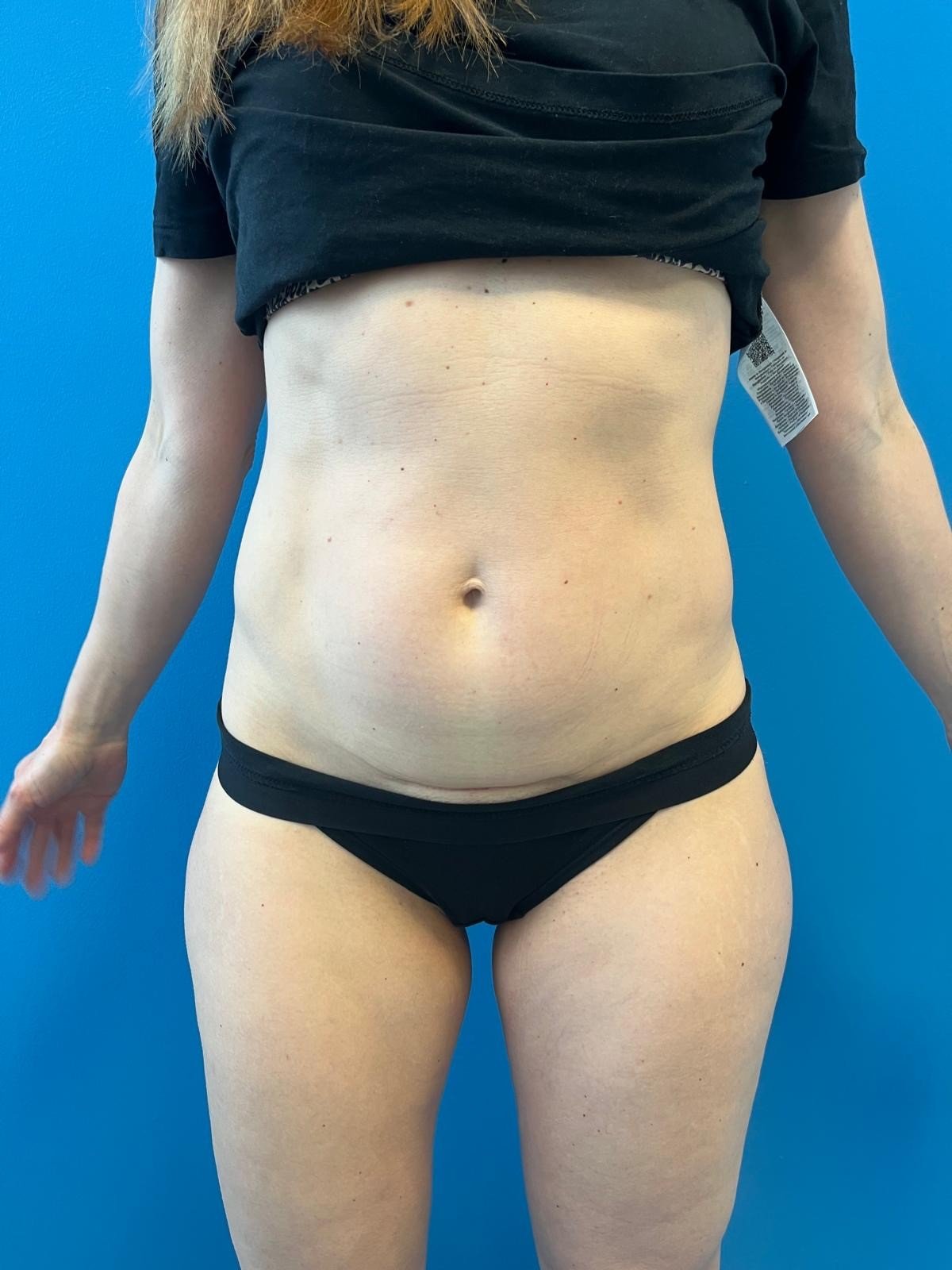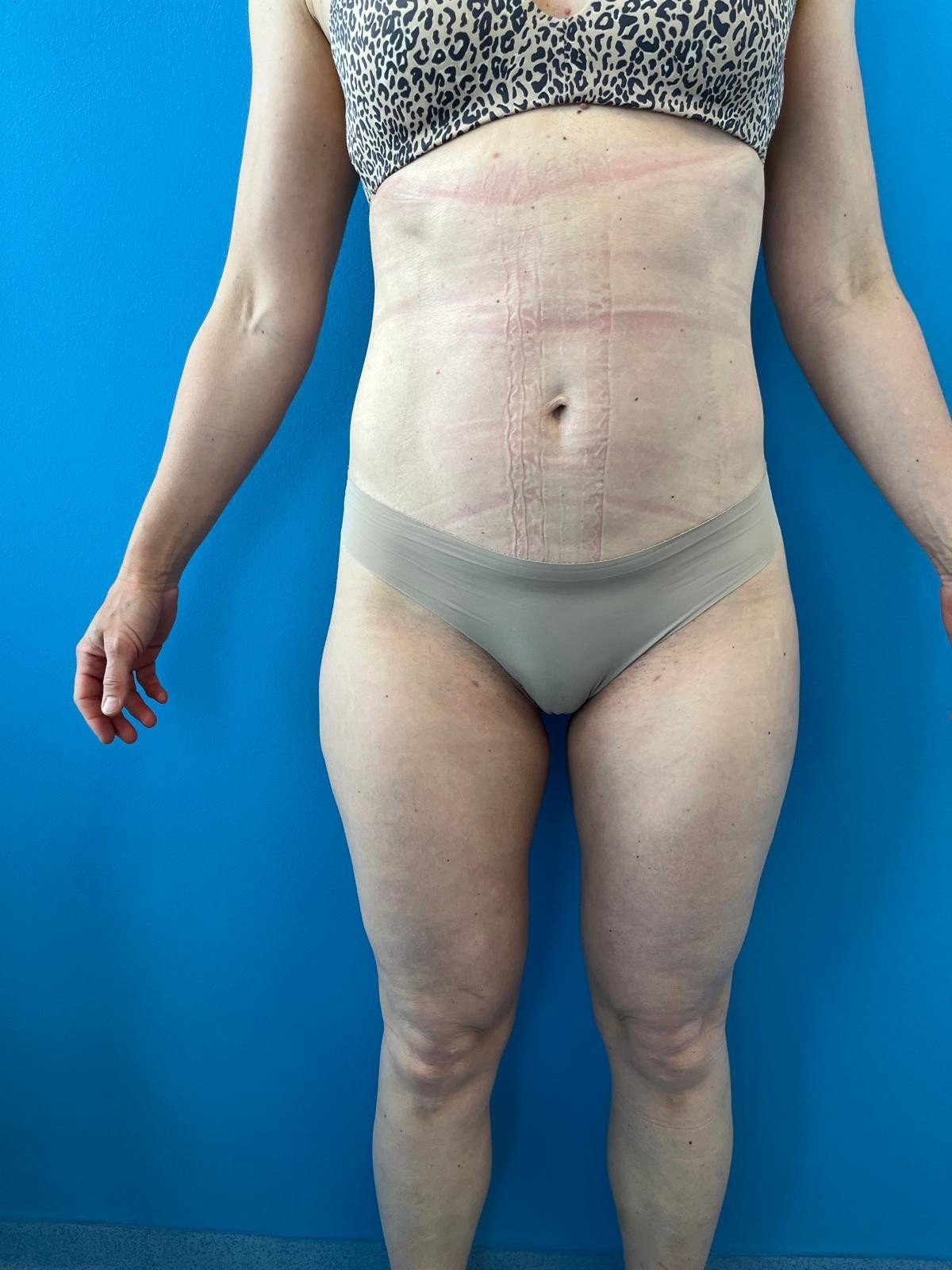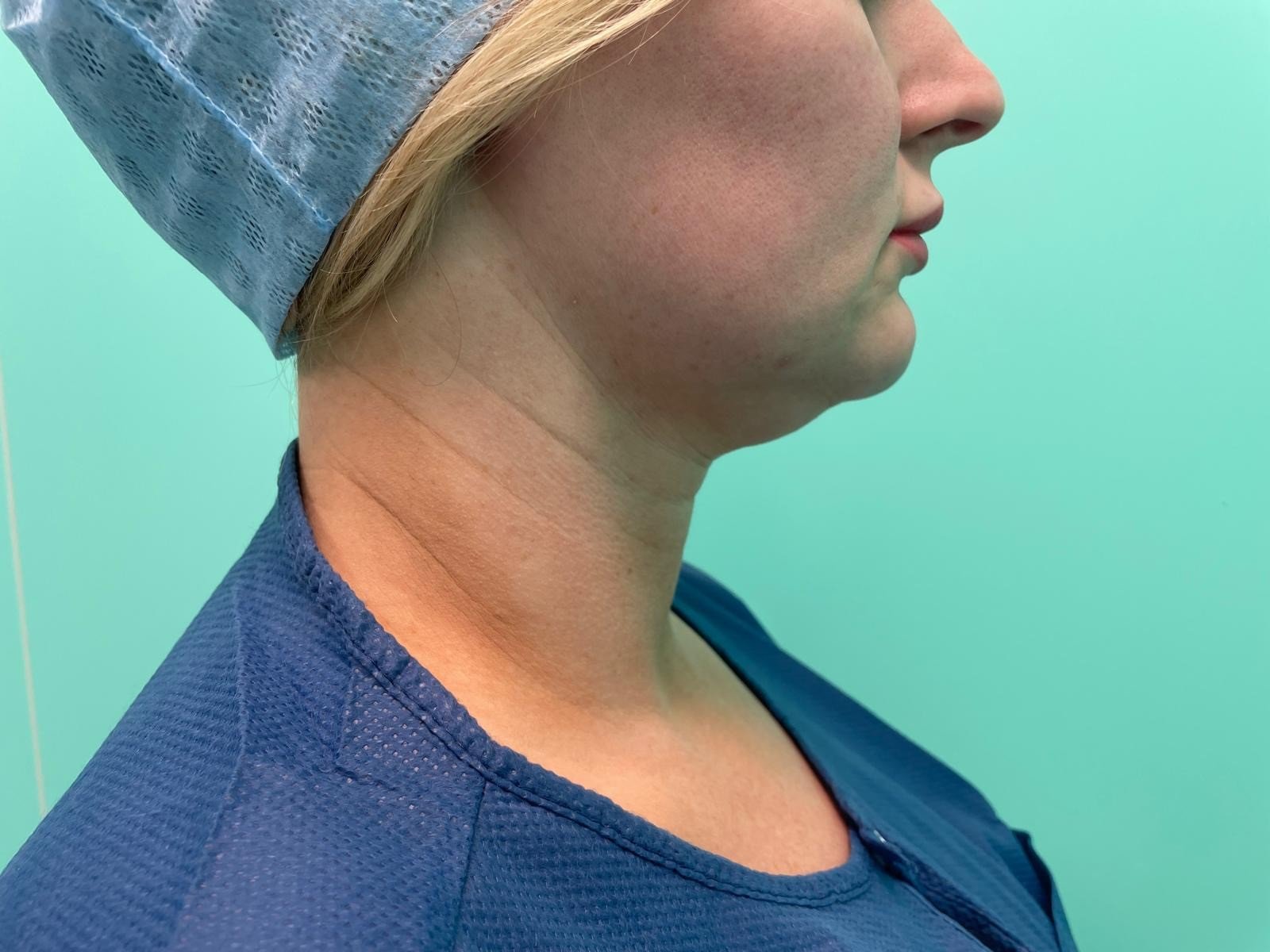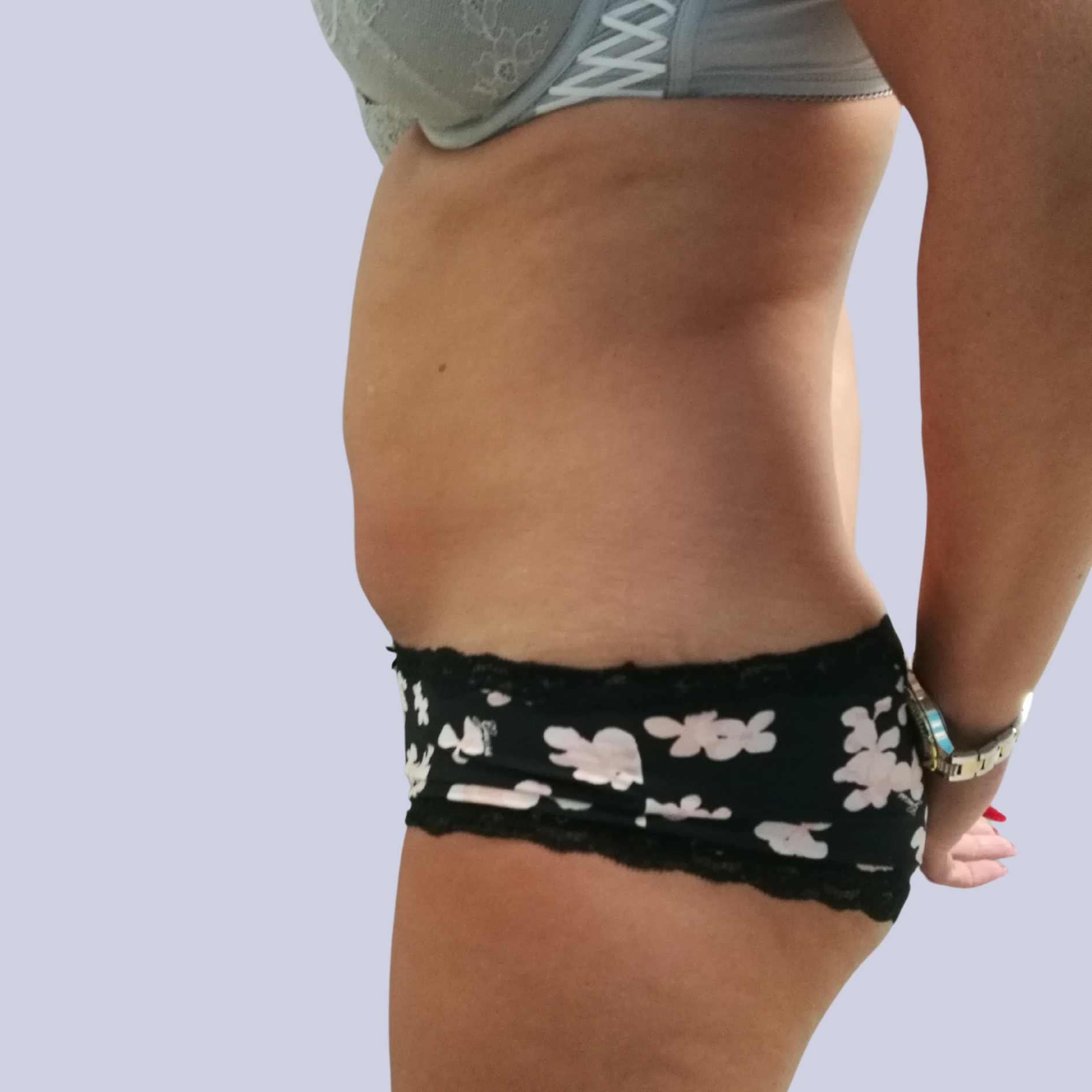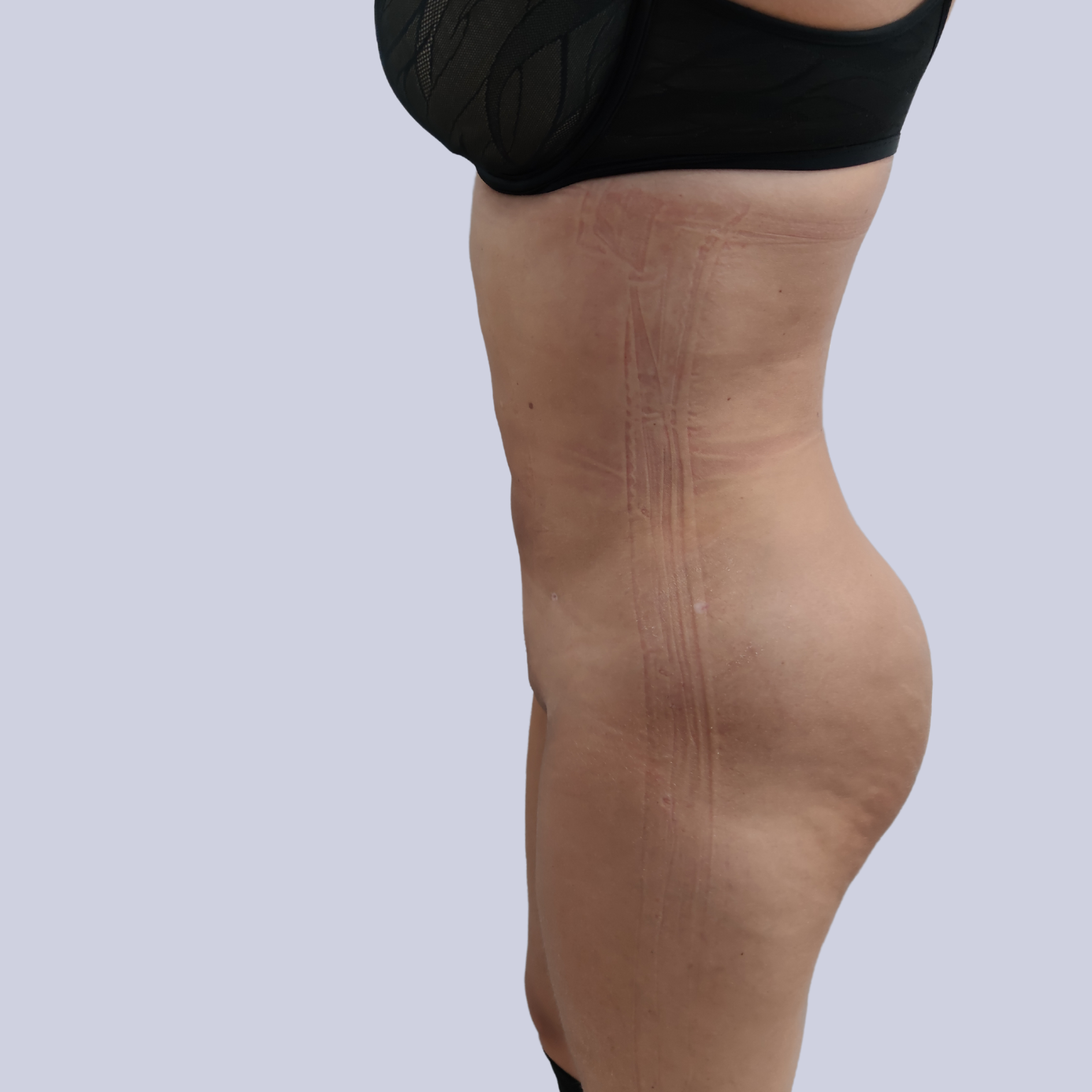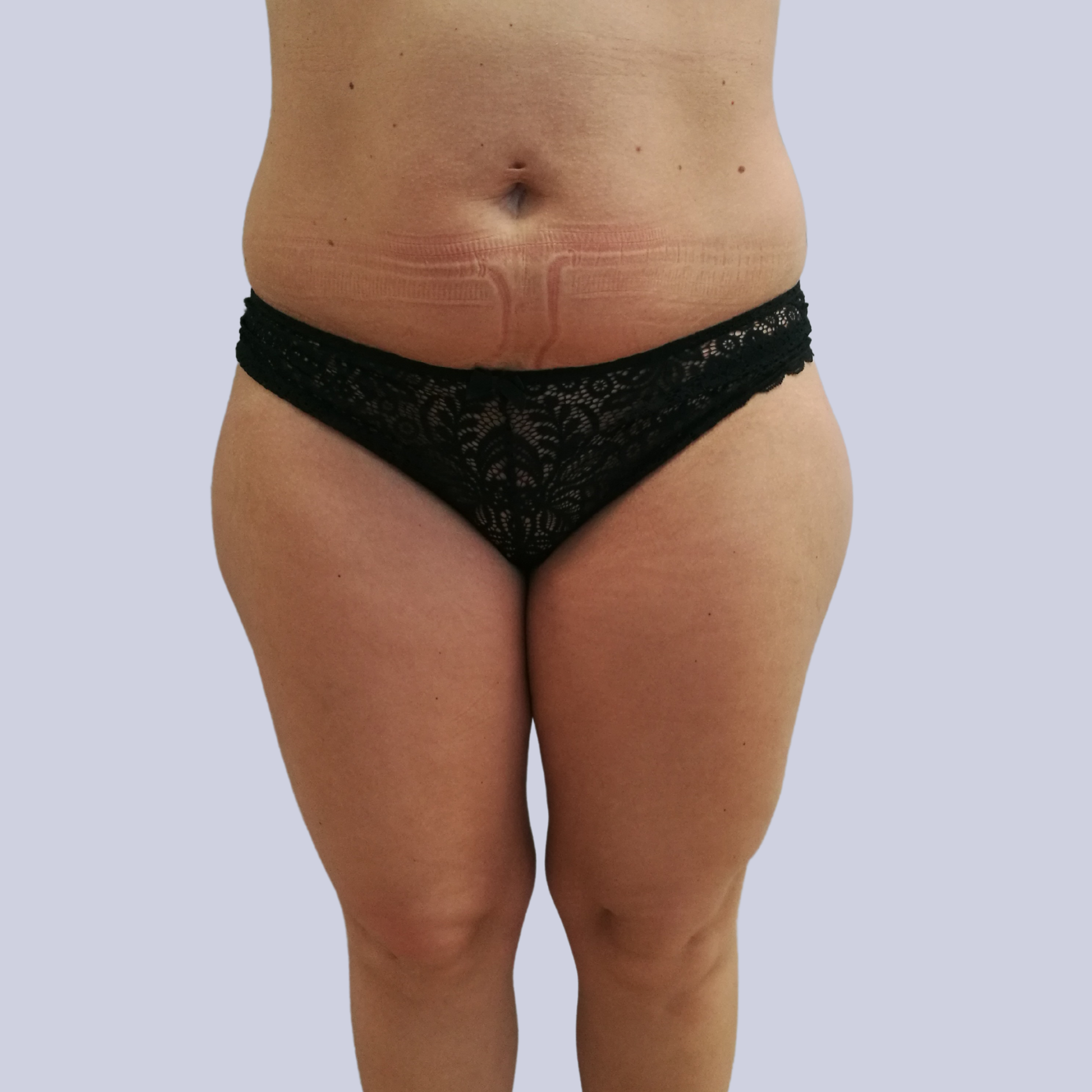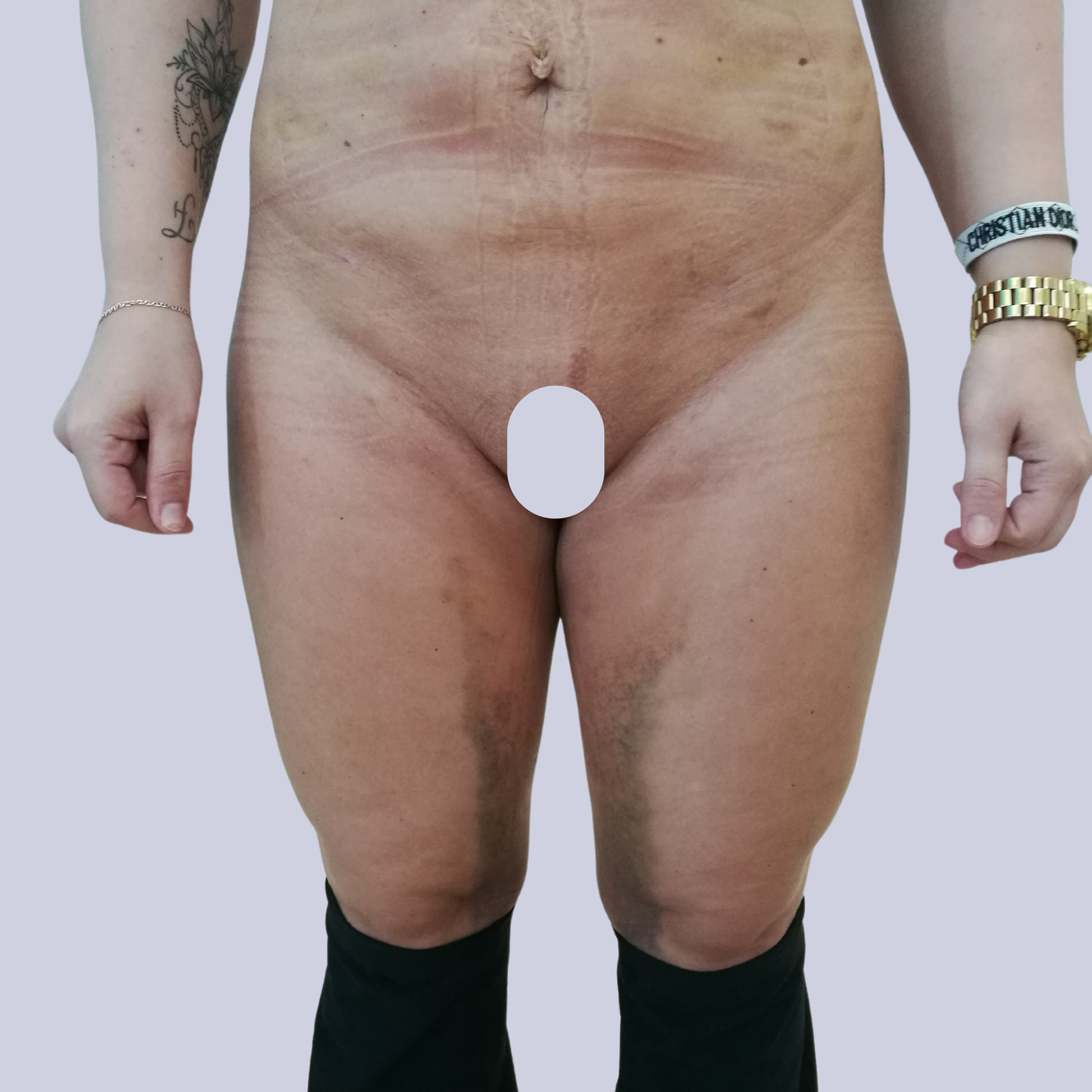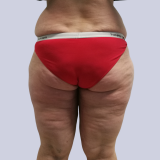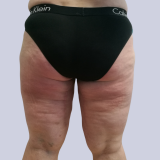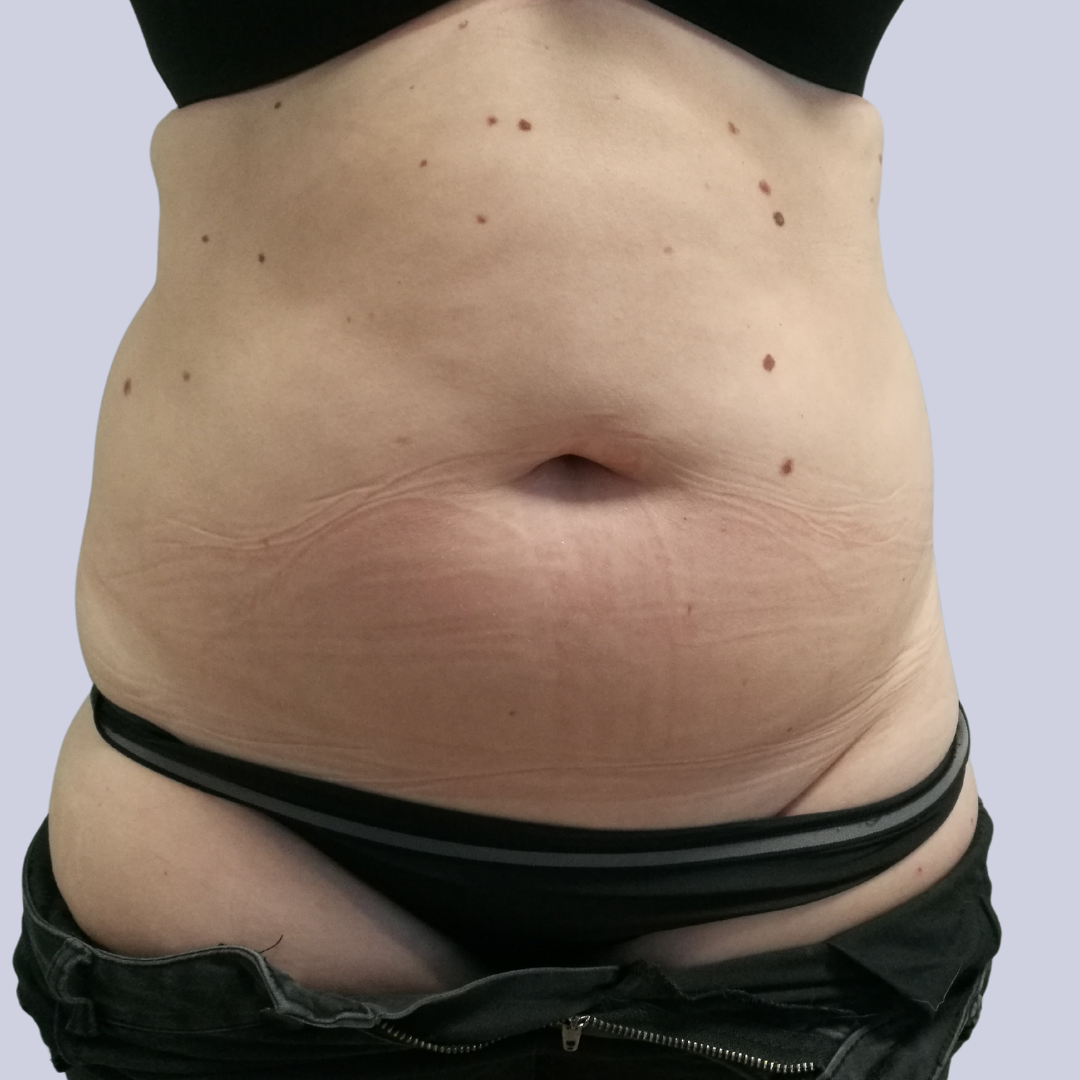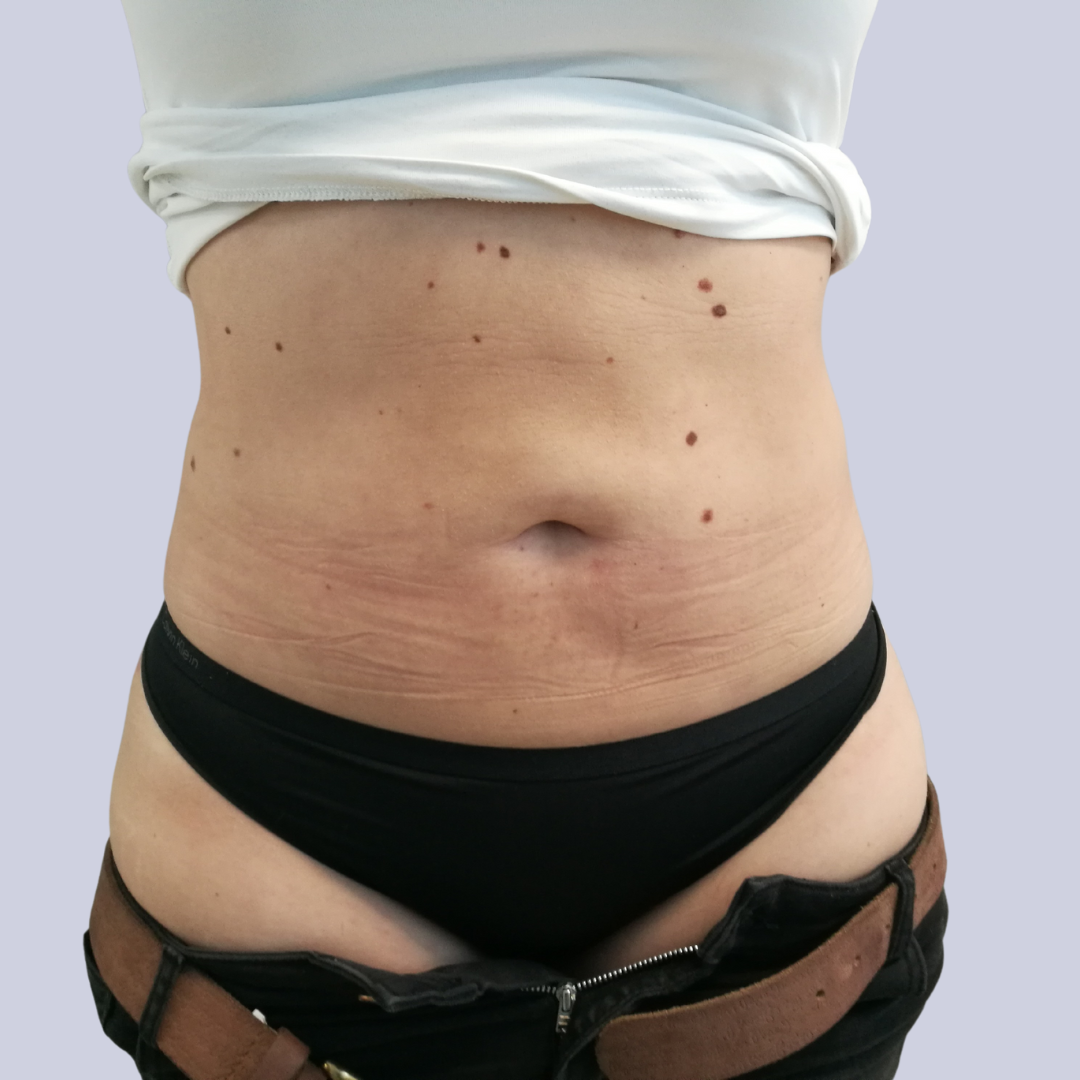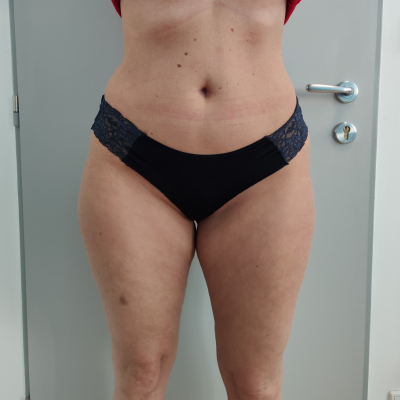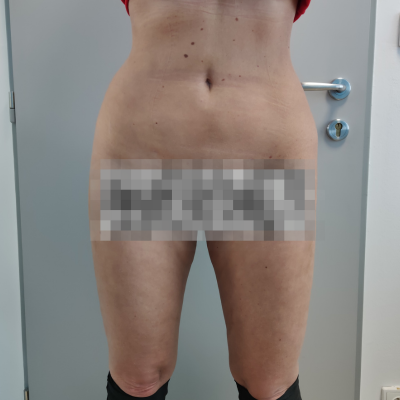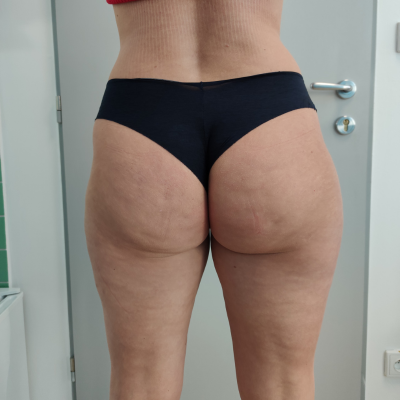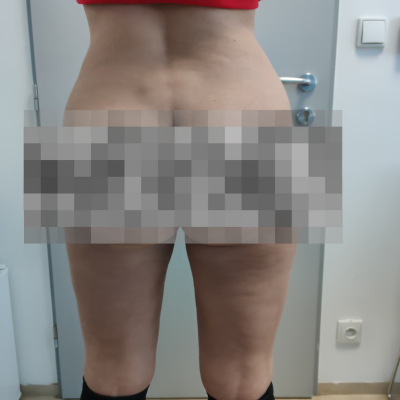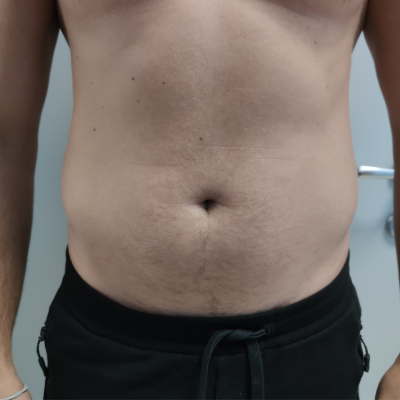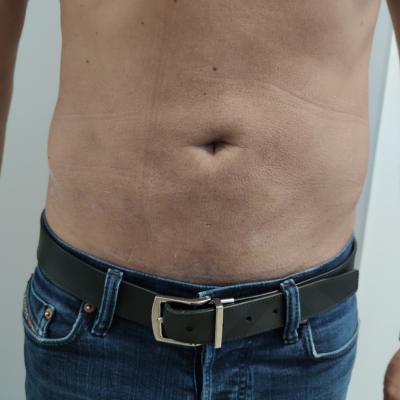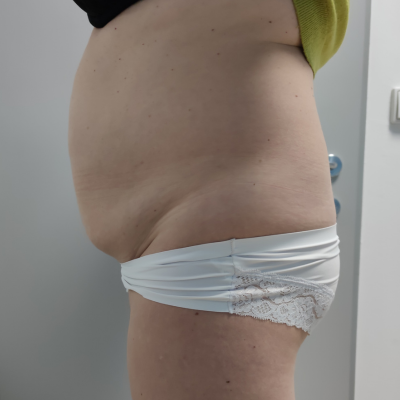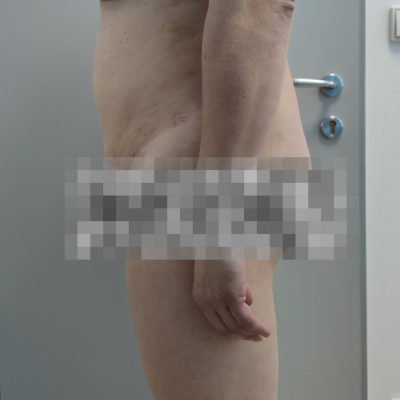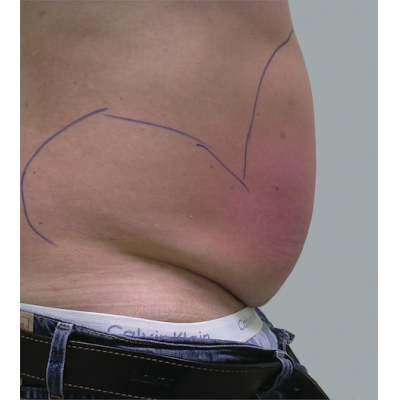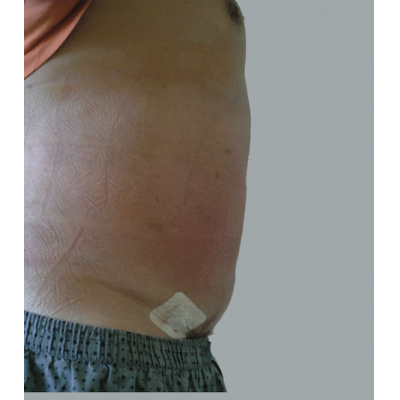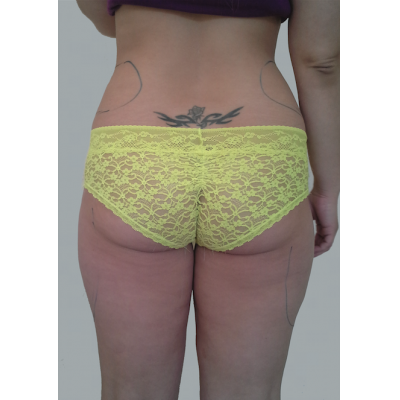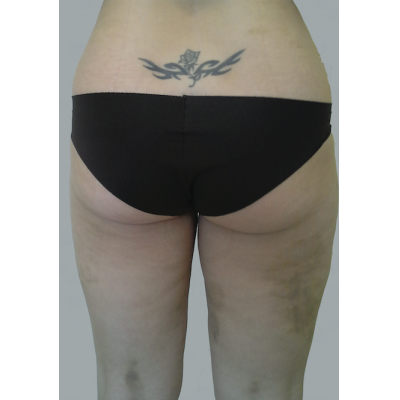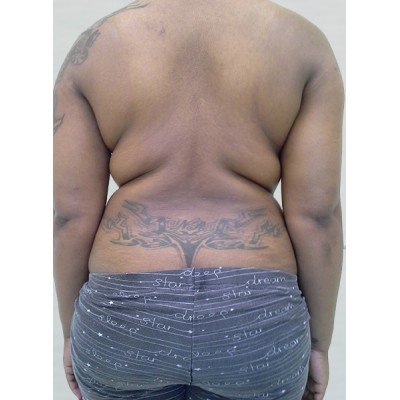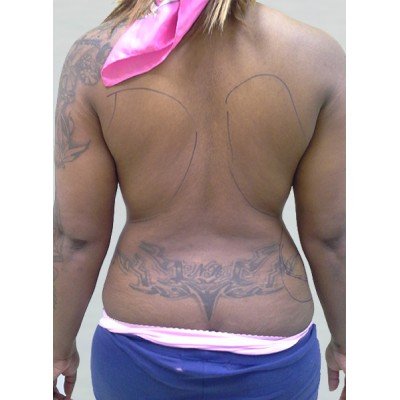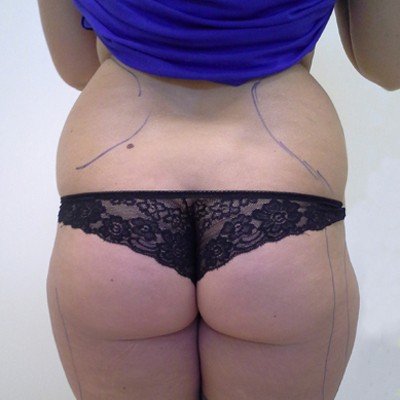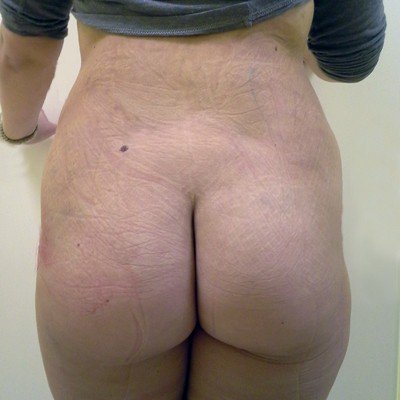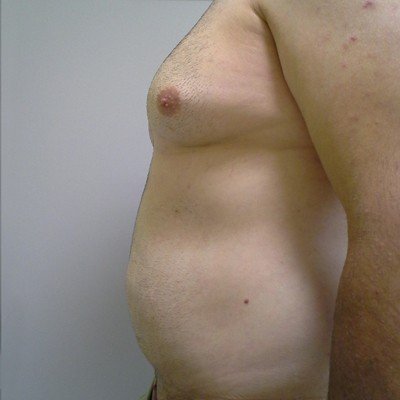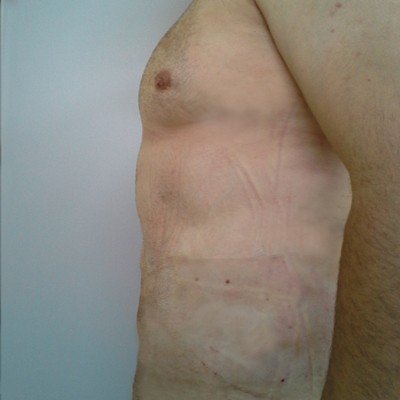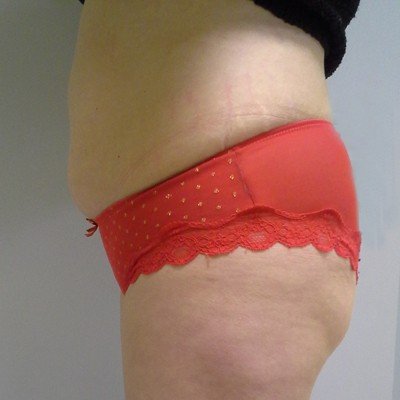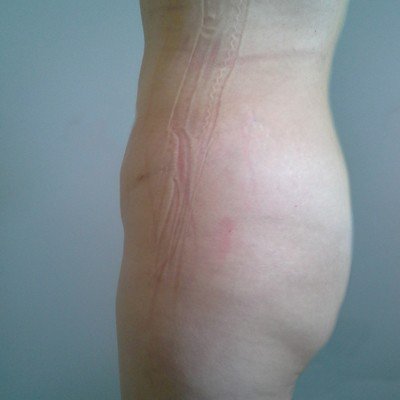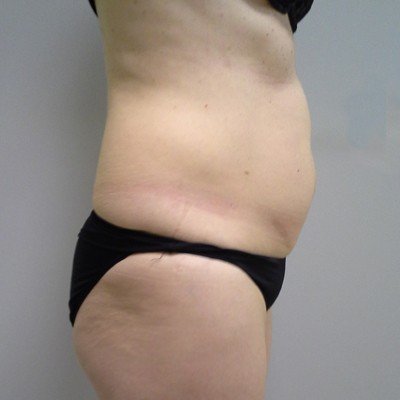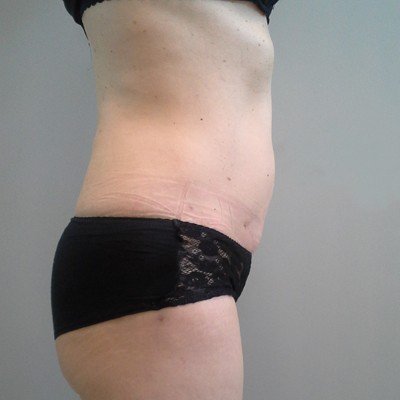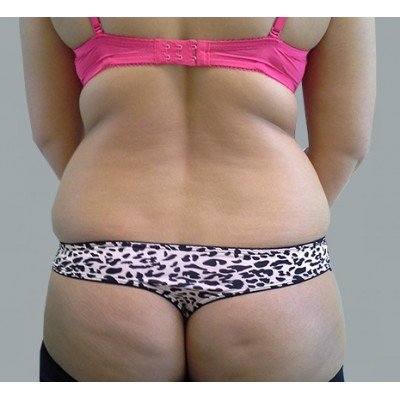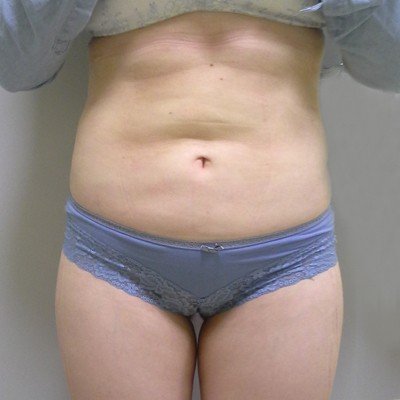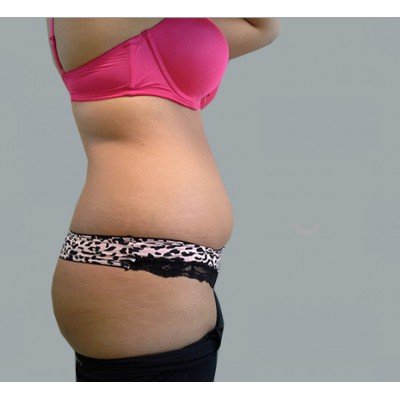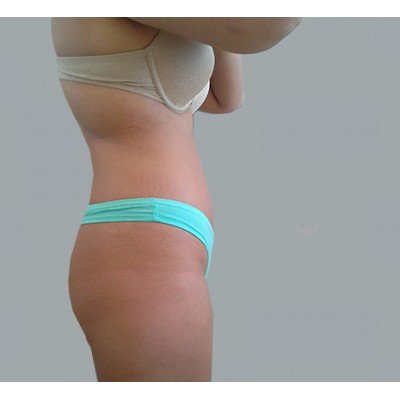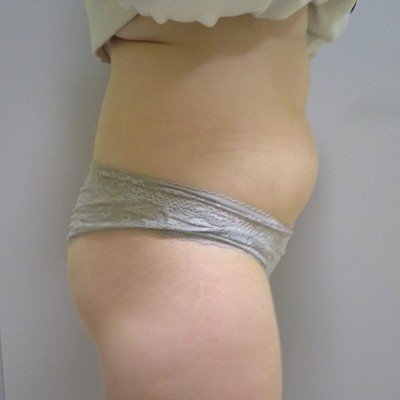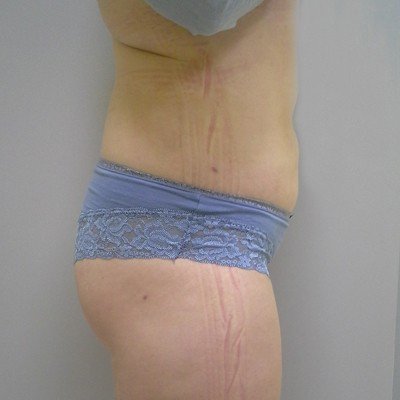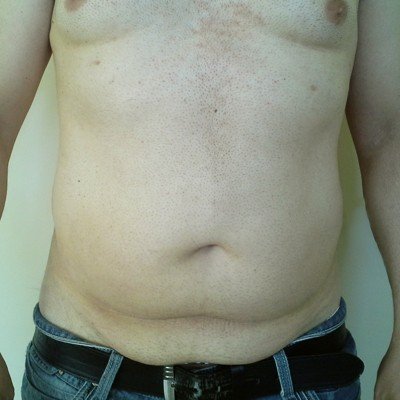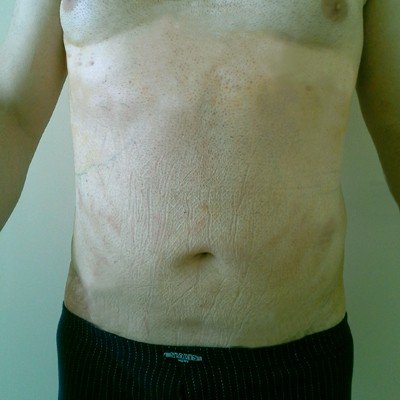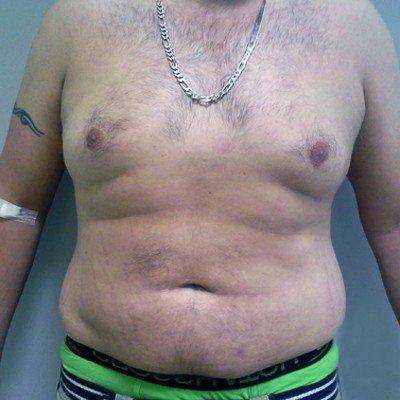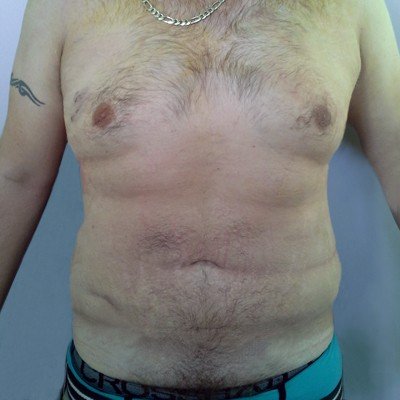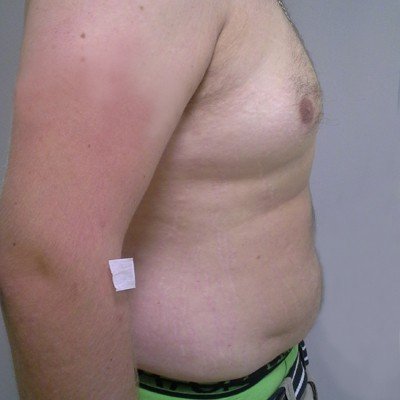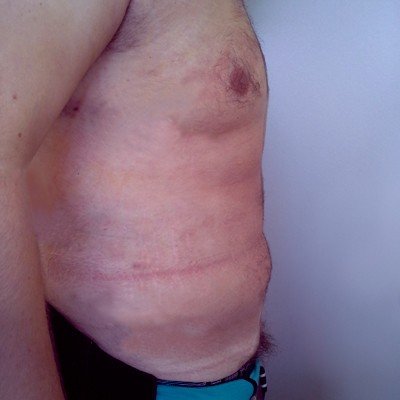
Liposuction is a popular cosmetic surgery procedure designed to remove stubborn pockets of fat that do not respond well to diet and exercise. It can help improve the shape and proportions of areas such as the abdomen, hips, thighs, buttocks, arms or other parts of the body.

Liposuction is not a treatment for obesity or a substitute for weight loss. It is a body contouring procedure intended for people who are generally at a stable, healthy weight but have localized areas of excess fat.

Who Is It For?

Liposuction may be suitable if you have clearly defined areas of excess fat that are difficult to reduce despite maintaining a healthy lifestyle.

Common treatment areas include:

  • abdomen and lower abdomen
  • hips and waist
  • thighs
  • buttocks
  • arms
  • knees and other localized areas

Good skin elasticity is an important factor because the skin needs to adapt to the new body contours after fat is removed. Your suitability for the procedure depends on your individual anatomy, skin quality, overall health and expectations. Age alone does not determine whether you are a suitable candidate.

During a personal consultation, the surgeon will assess the areas you would like to treat and recommend the most appropriate approach.

How Is It Done?

Liposuction is performed through several small incisions, usually only a few millimetres in size. A thin tube called a cannula is inserted through the incisions and used to remove unwanted fat with controlled suction.

The procedure is commonly performed using the tumescent technique, in which a special fluid is introduced into the treatment area before the fat is removed. Depending on the extent of the procedure and your individual circumstances, liposuction may be performed under local or general anaesthesia.

The amount of fat that can be safely removed varies from patient to patient. The surgeon will determine the appropriate volume based on the treatment areas, your overall health and safety considerations.

Surgery

The procedure usually takes around one to two hours, although the exact operating time depends on the number and size of the areas being treated.

Liposuction can also be combined with other cosmetic procedures. For example, it may be performed together with a tummy tuck (abdominoplasty) to improve the overall contour of the abdomen and waist.

Can Liposuction Be Combined With Other Procedures?

Yes. Liposuction is often used as part of a broader body contouring procedure.

For example, it can be combined with:

  • tummy tuck (abdominoplasty)
  • breast surgery
  • arm lift
  • thigh lift
  • other body contouring procedures

In these cases, liposuction can help refine the contours and improve the overall aesthetic result.

If necessary, additional liposuction may be considered at a later stage, once the body has fully healed and the surgeon has assessed the result.
After Surgery

Swelling, bruising, tenderness and temporary numbness are common during the first days and weeks after surgery. These symptoms gradually improve as the body heals.

You will usually be fitted with a compression garment or elastic bandages immediately after the procedure. Compression helps reduce swelling and supports the treated areas during healing. The exact length of time you should wear the garment will be determined by your surgeon and may vary depending on the extent of your liposuction.

Your surgeon may also recommend lymphatic or pressure massage as part of your postoperative care. Follow-up care and massage recommendations can vary depending on the procedure and your individual recovery.

It is important to rest during the first days after surgery while maintaining gentle movement such as short walks, as advised by your medical team.

Back To Normal

Recovery varies depending on the amount of fat removed, the areas treated and your individual healing process.

As a general guide:

  • First few days: rest and gentle movement; swelling and bruising are expected.
  • Around 1 week: many patients can return to desk-based work if they feel well enough.
  • Weeks 2–4: swelling gradually decreases and normal daily activities can usually be increased.
  • Around 4–6 weeks: gentle exercise may be resumed according to your surgeon's instructions.
  • Following months: the treated areas continue to settle and the final contours become increasingly visible.

The recovery timeline is individual, so you should always follow the specific instructions provided by your surgeon.

When Will I See the Results?

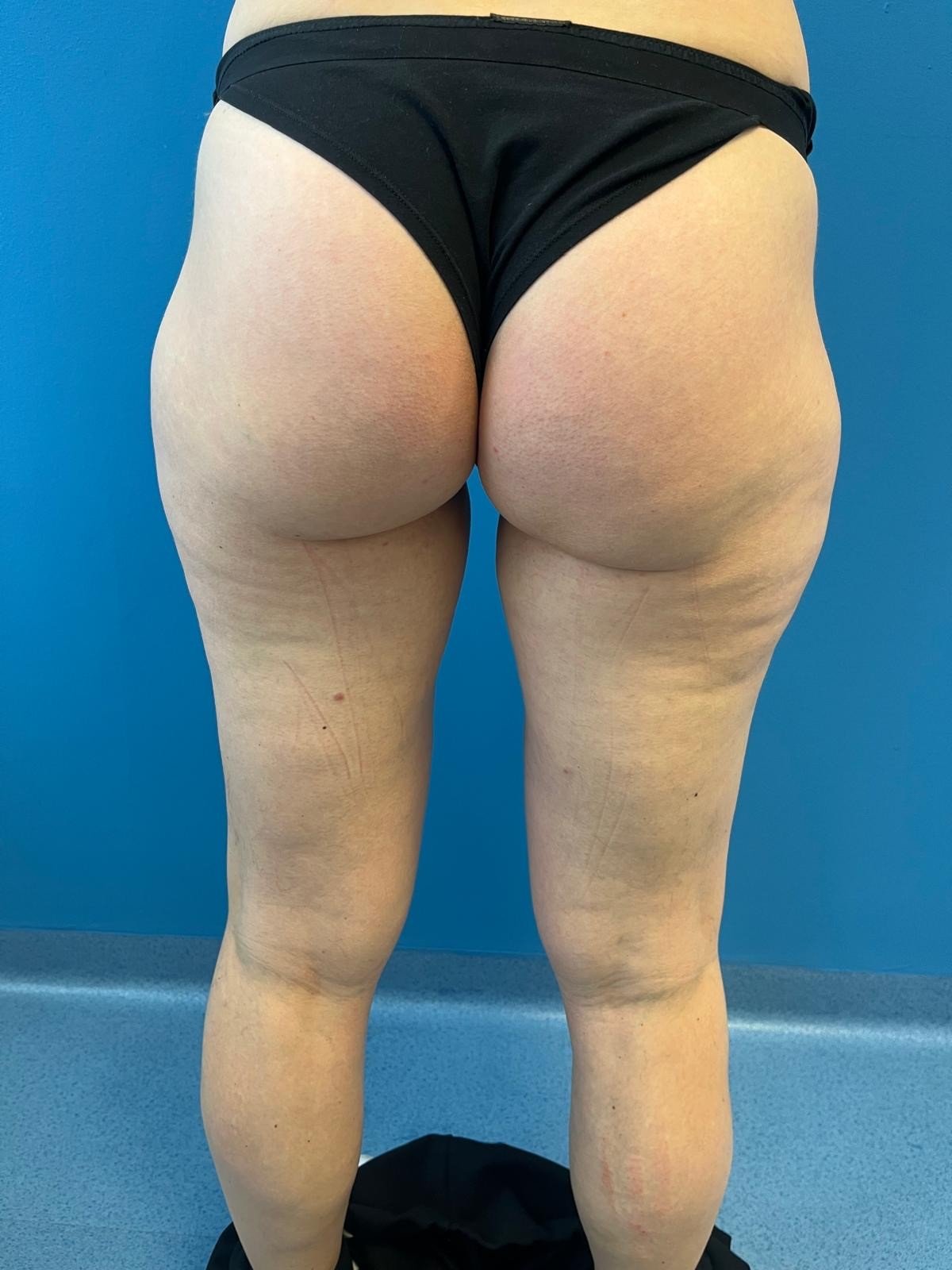
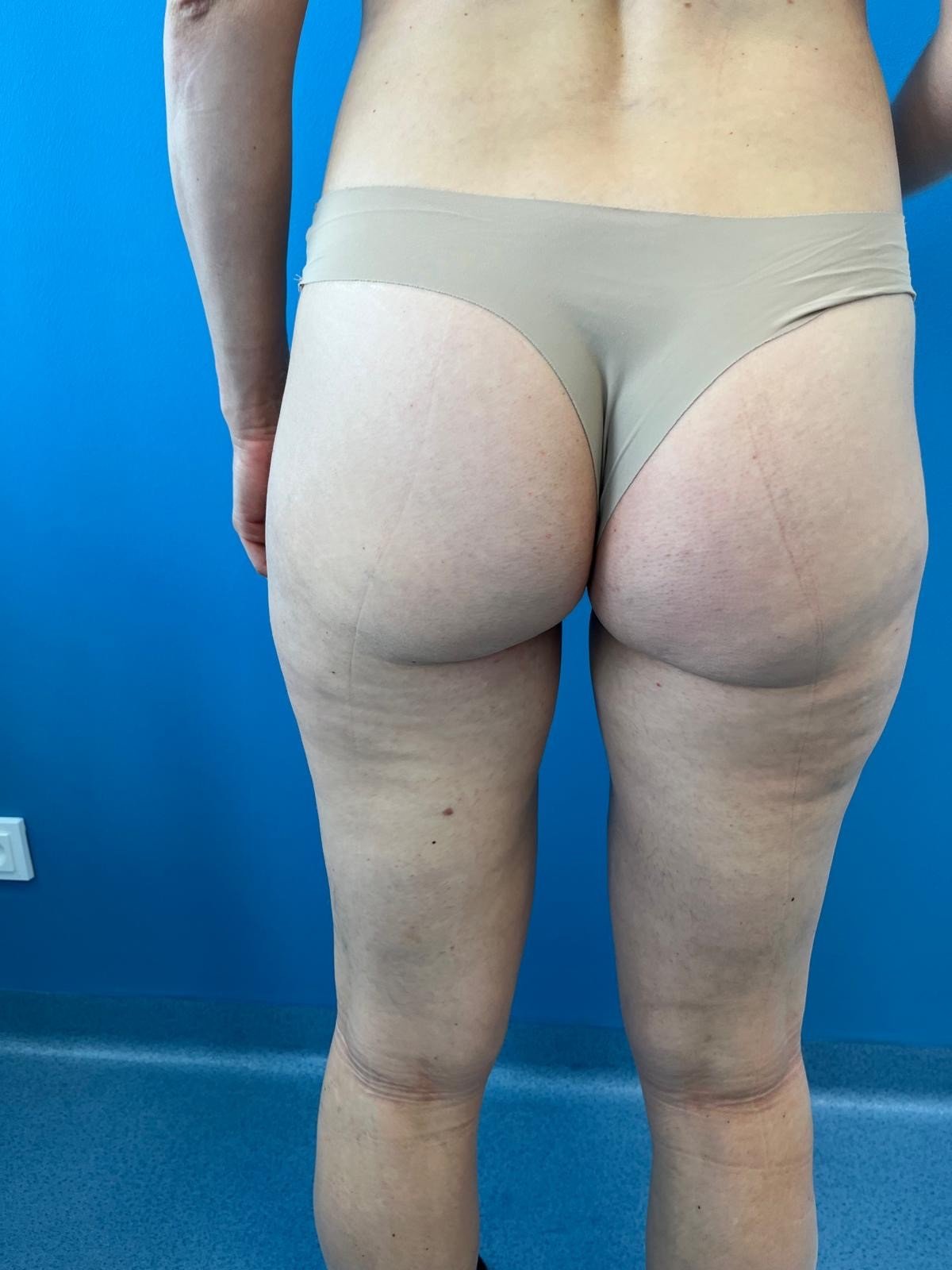
The body contour will not be immediately visible after surgery because swelling and fluid retention can temporarily make the treated area look larger.

As the swelling gradually subsides, the new contours become more apparent. Some residual swelling can persist for several weeks or months, and the final result may take time to develop.
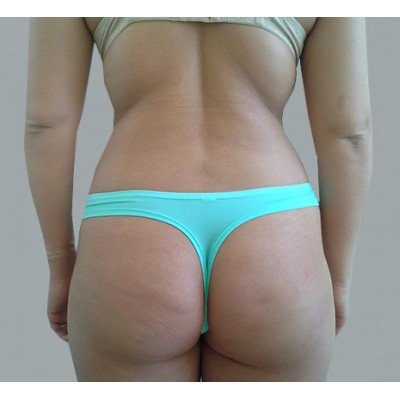
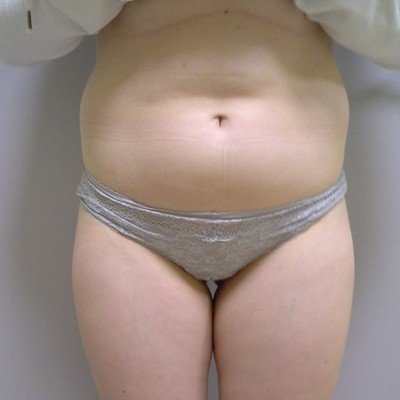
Liposuction permanently removes fat cells from the treated areas. However, the remaining fat cells can still enlarge if you gain weight. Maintaining a stable weight, balanced diet and regular physical activity is therefore important for preserving the result long term.

Why Choose Liposuction in Prague?

At Mediczech, international patients can combine access to experienced plastic surgeons with coordinated medical care and support throughout their treatment in Prague.

Before surgery, you will have a consultation with the surgeon to discuss your goals, assess the areas you would like to treat and determine whether liposuction is the right procedure for you.

The most important part of achieving a natural-looking result is choosing the right procedure for your individual body shape and having realistic expectations about what liposuction can achieve.

This website uses cookies

We use cookies to personalize content and ads, provide social media features, and analyze our traffic. We share information about how you use our website with our partners for social media, advertising and analytics. Partners may combine this data with other information you have provided to them or obtained as a result of your use of their services. More information.

Settings

Your privacy is important. You can choose from the cookie settings below. More information.