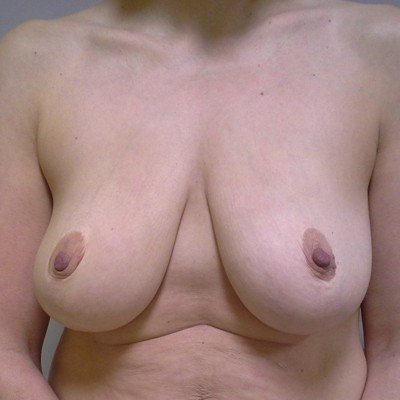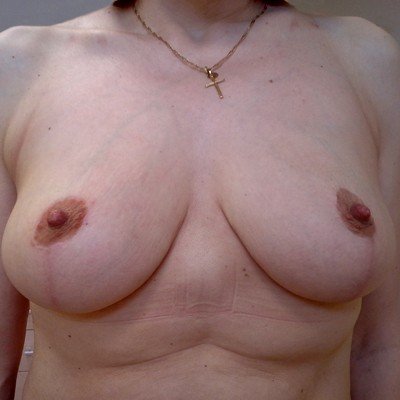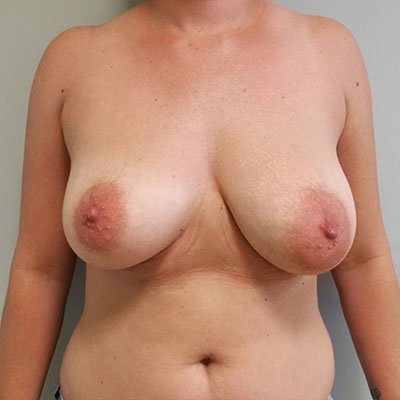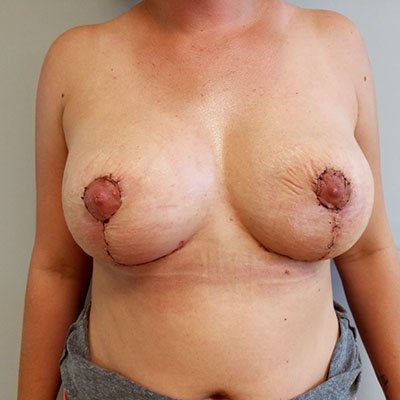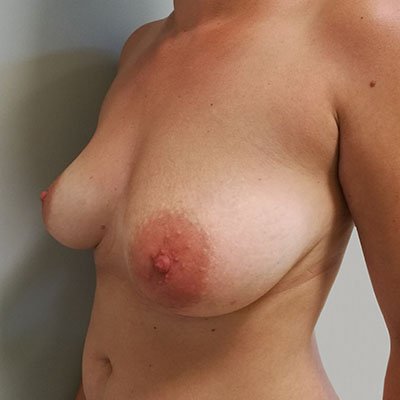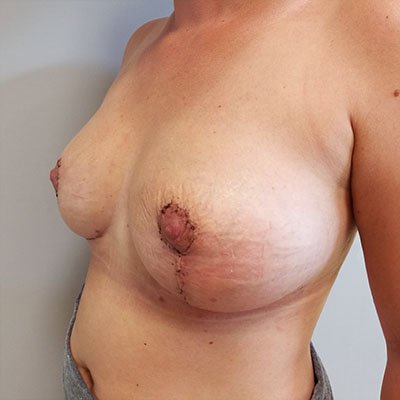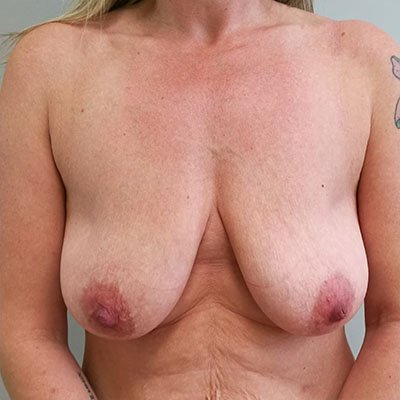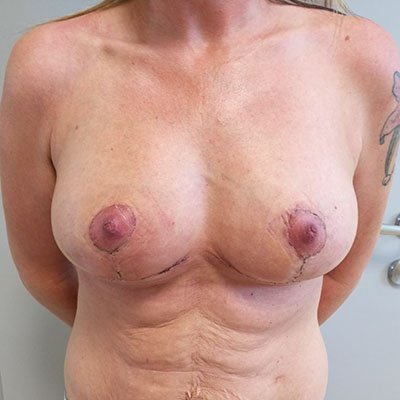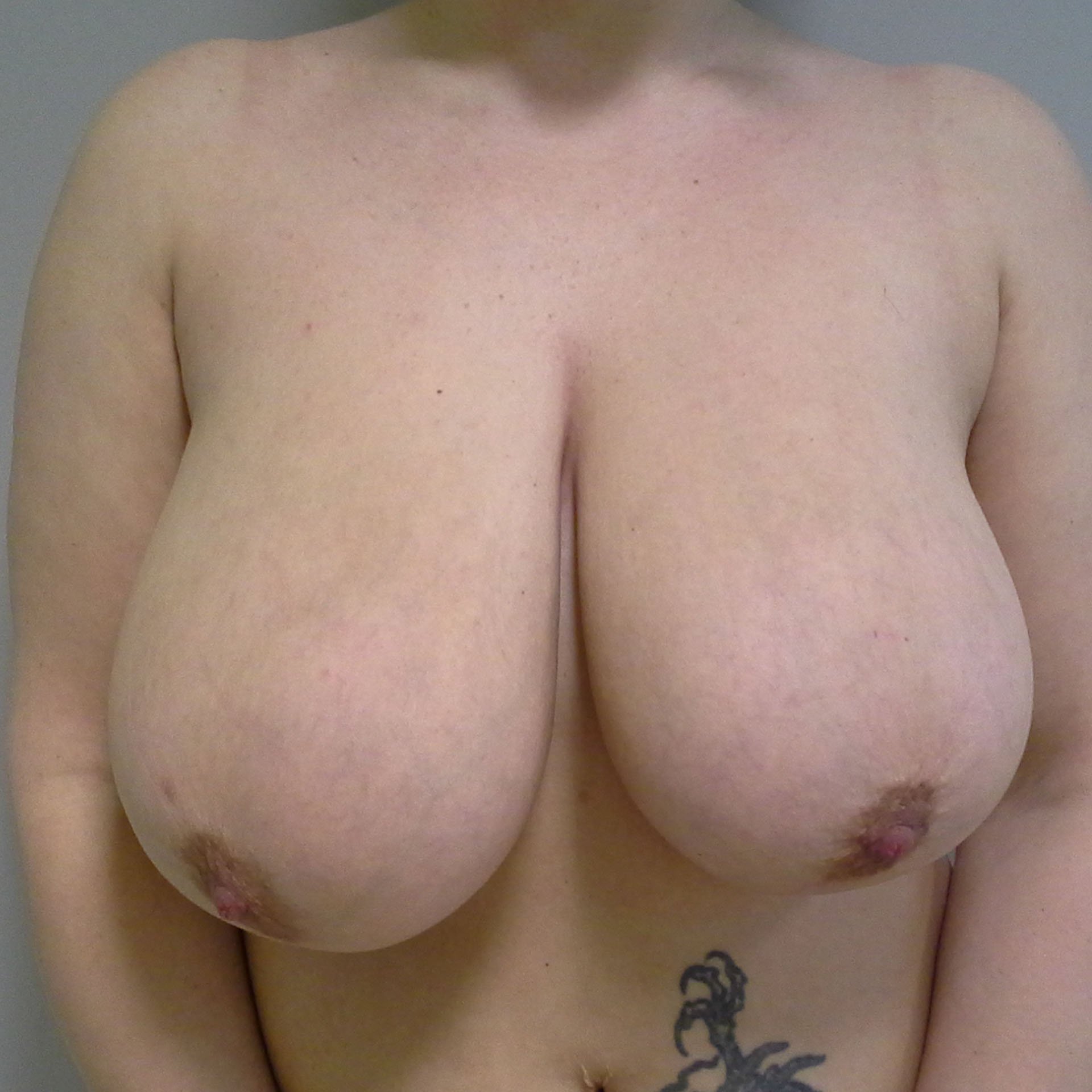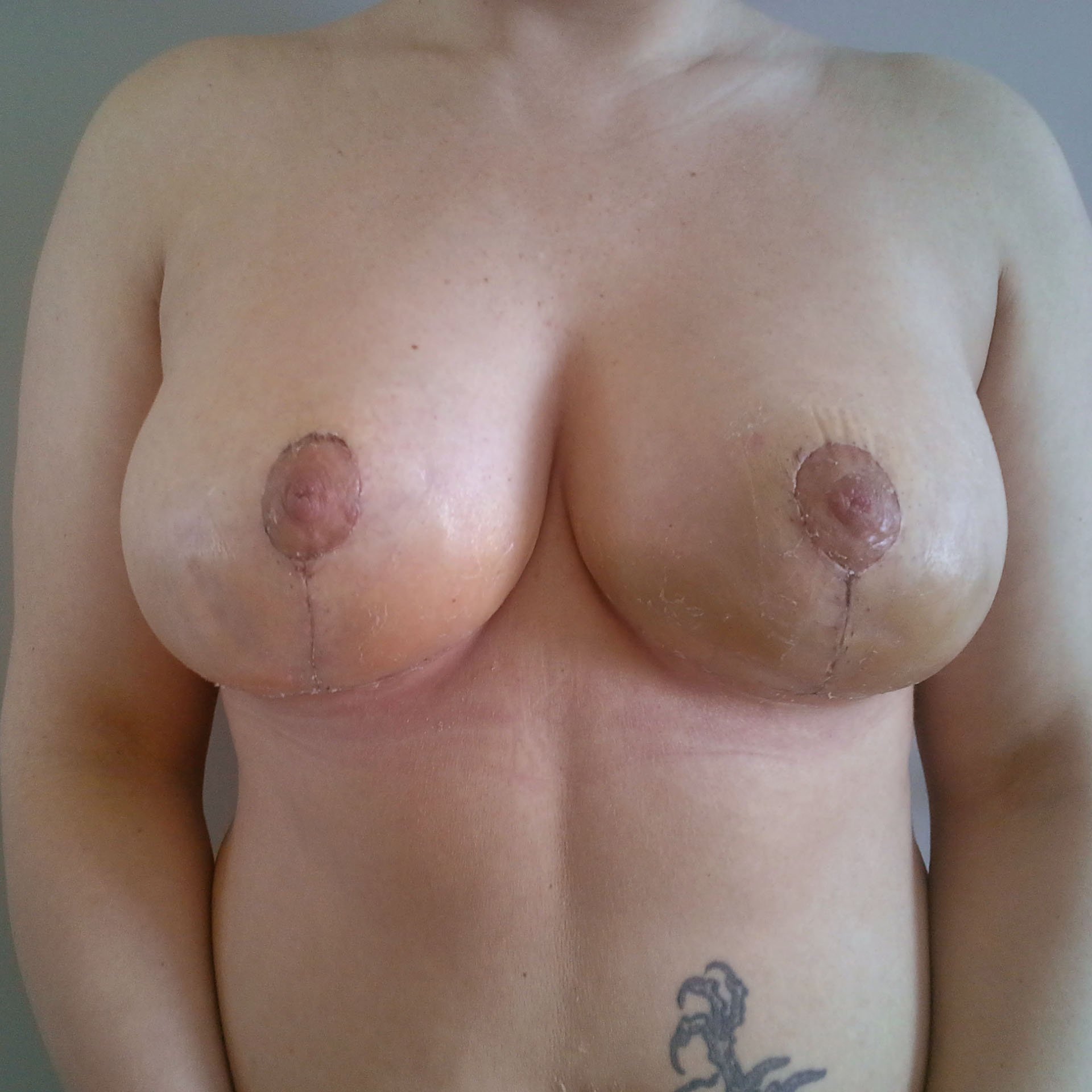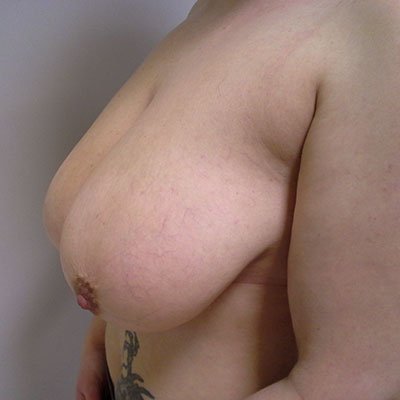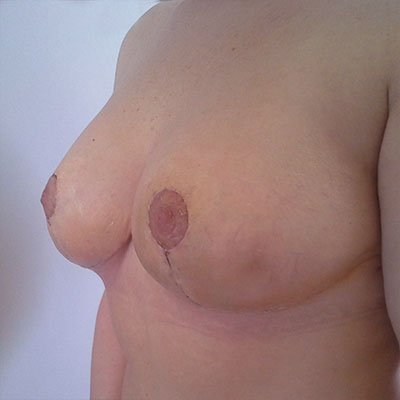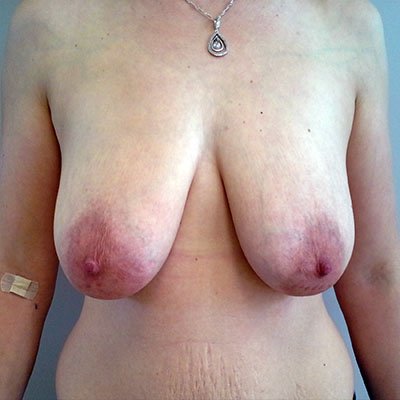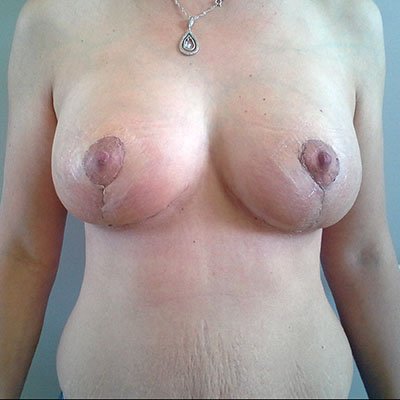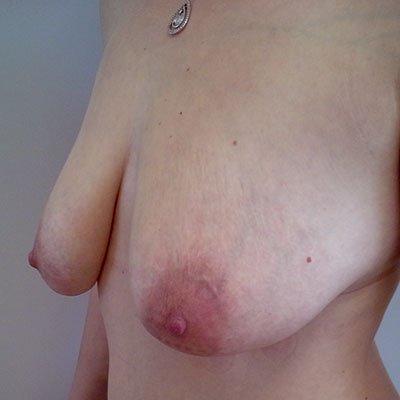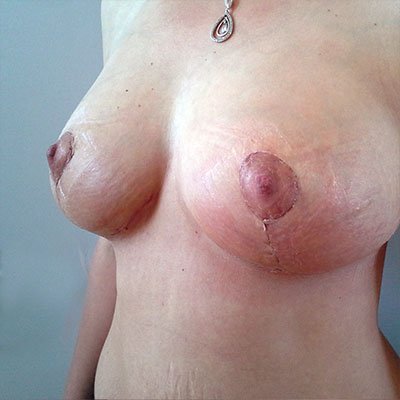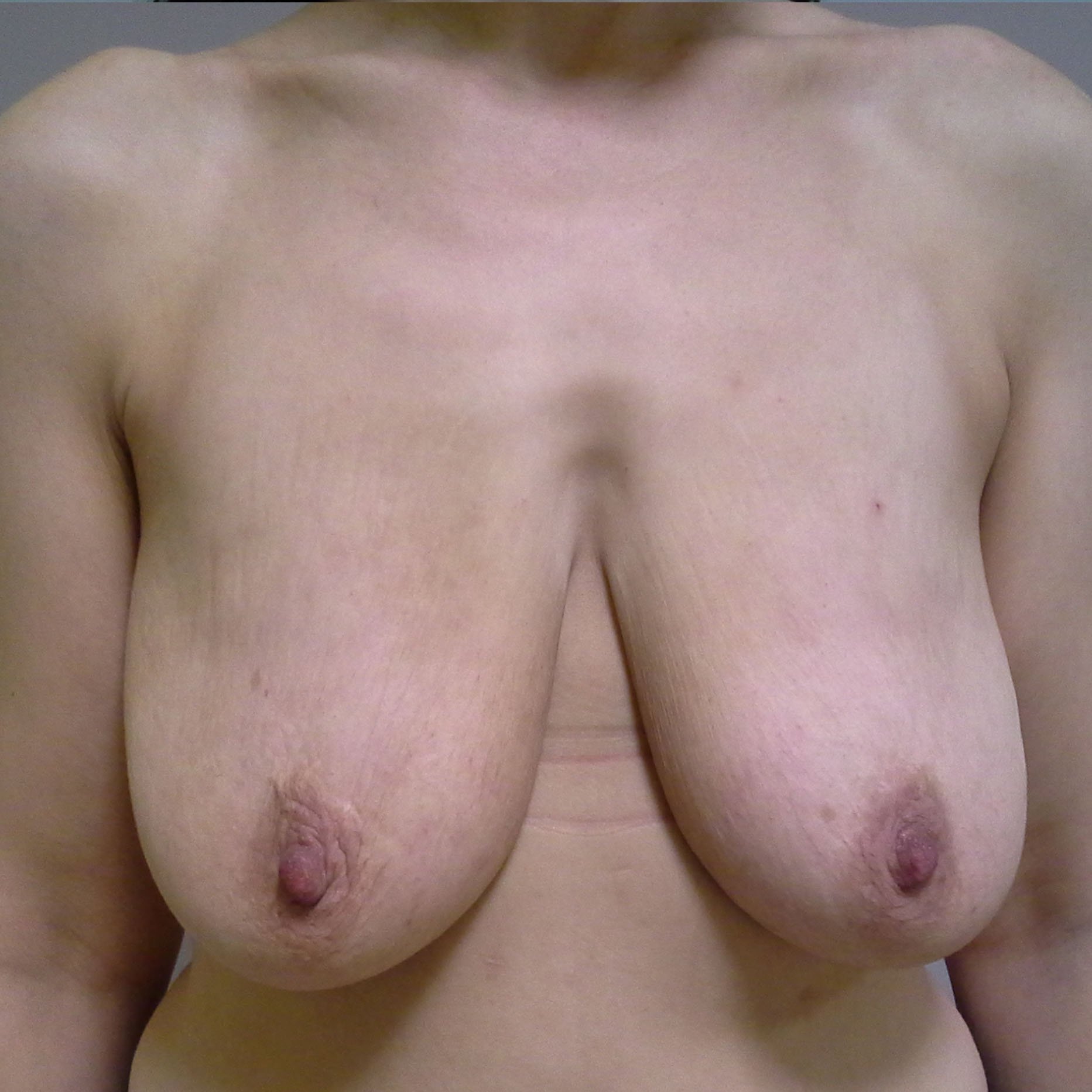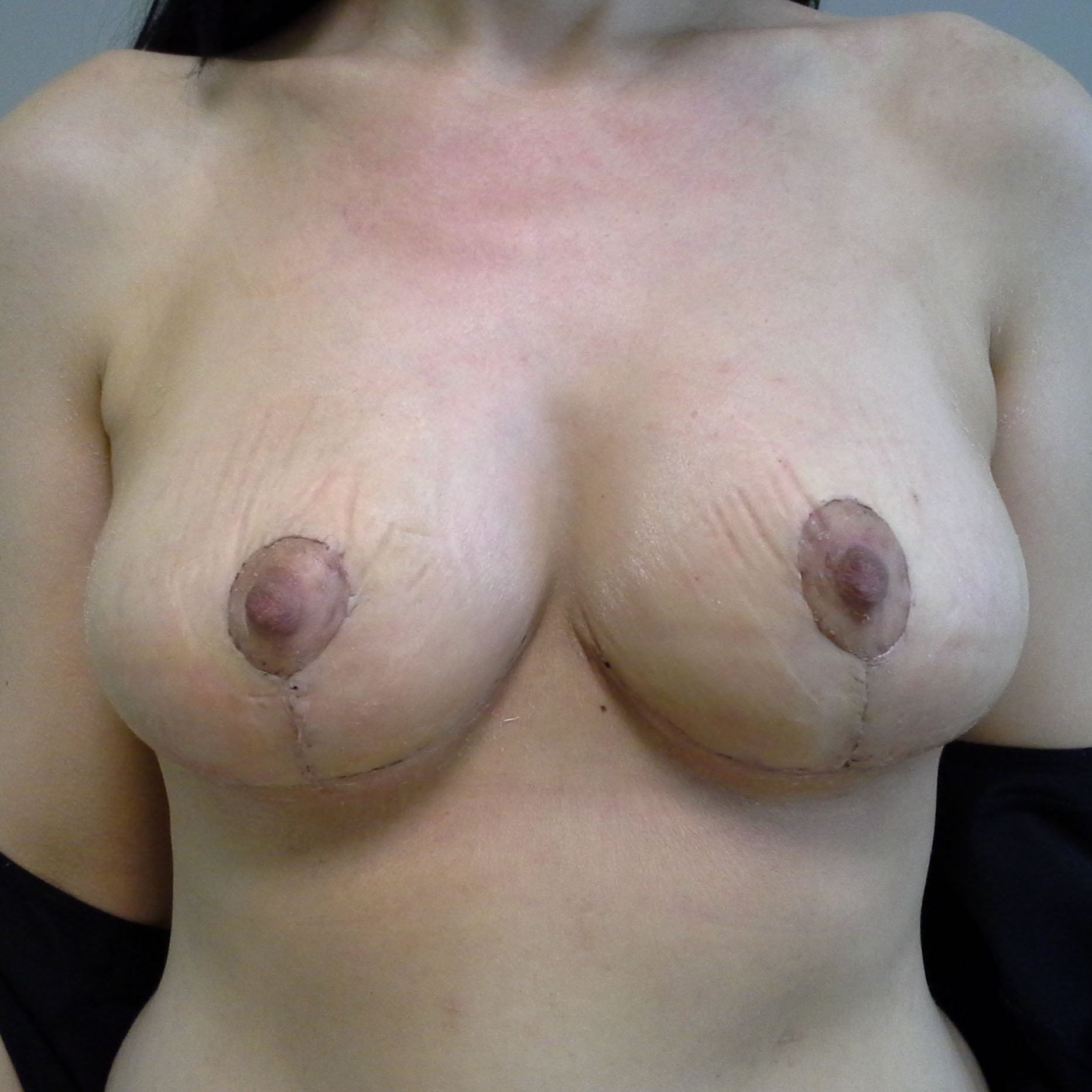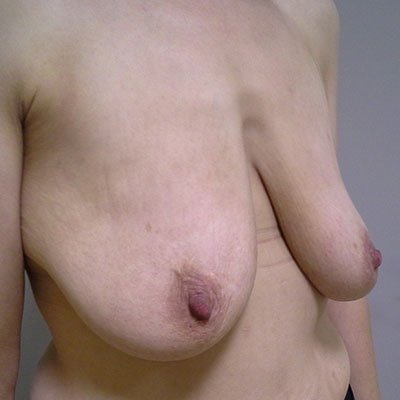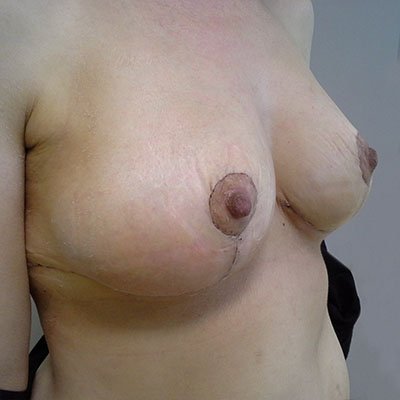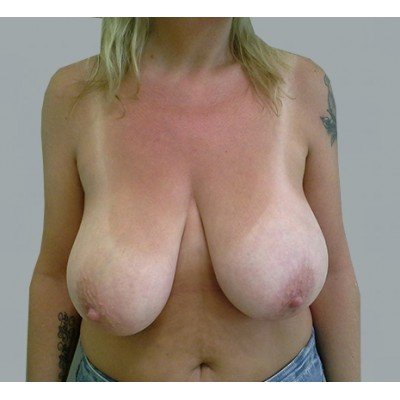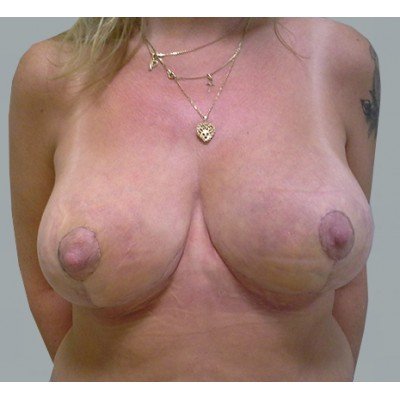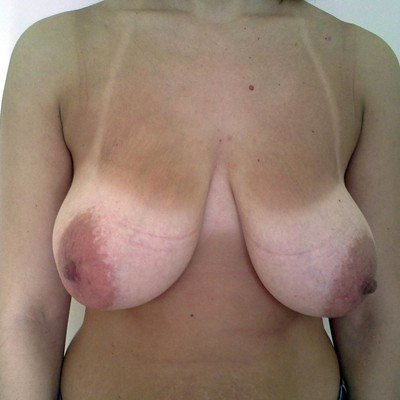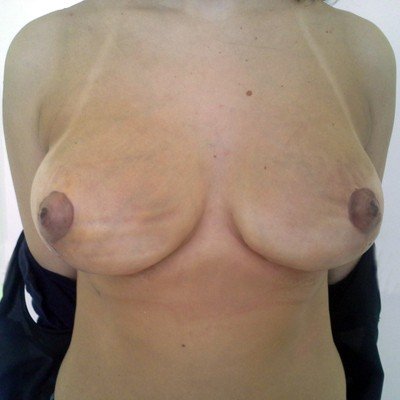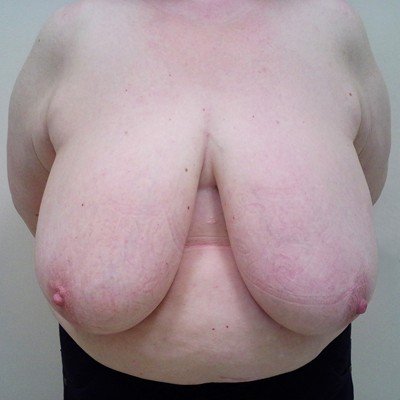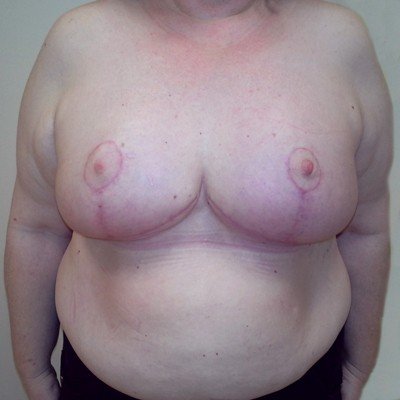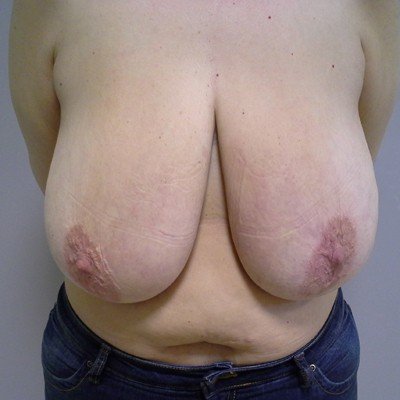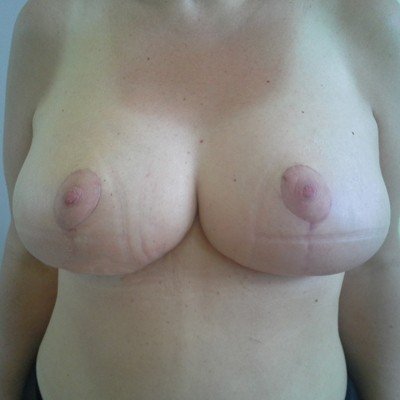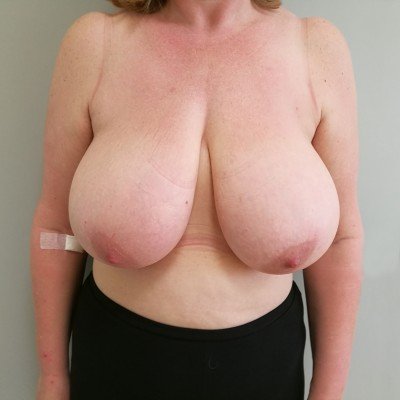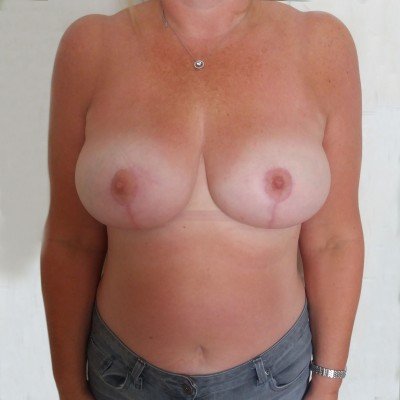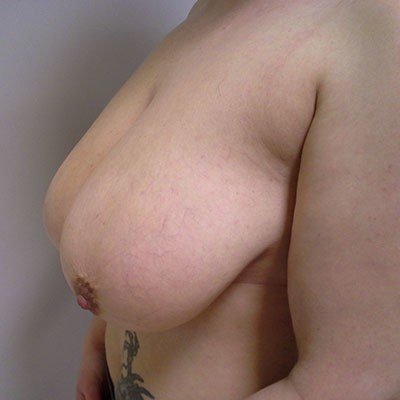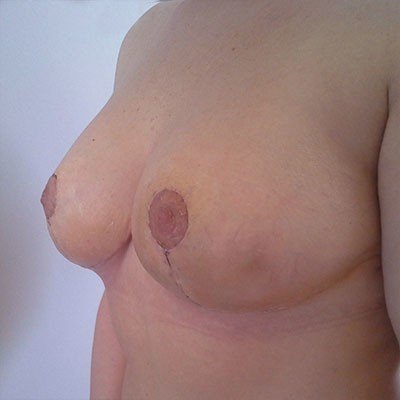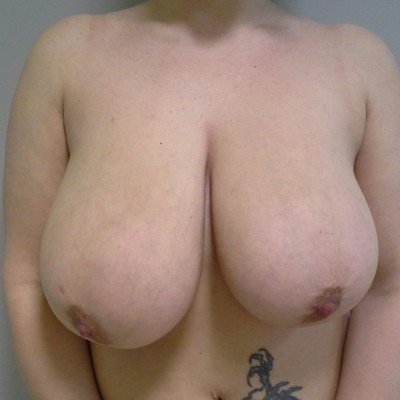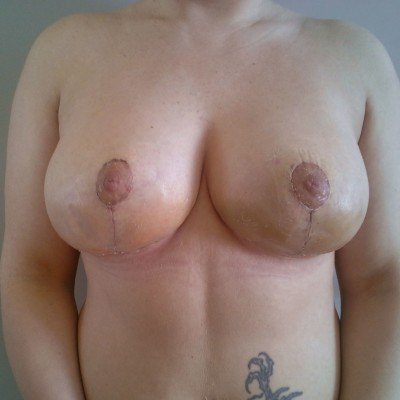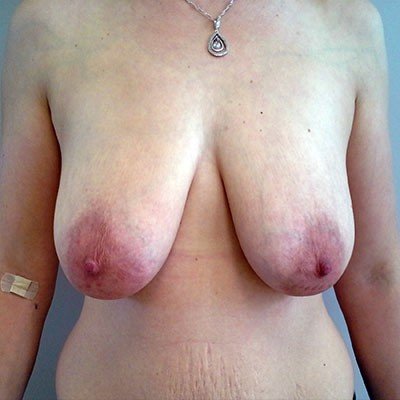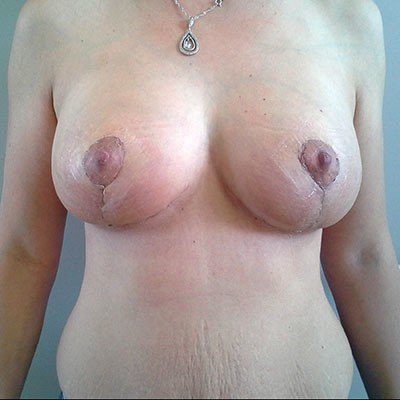
Breast reduction, also known as reduction mammoplasty, is a surgical procedure that reduces the size and weight of the breasts and reshapes them into a more proportionate position.

For women with very large or heavy breasts, the procedure can provide both aesthetic and physical benefits. Excessive breast size can contribute to back, neck and shoulder pain, discomfort during physical activity, skin irritation and difficulties finding comfortable clothing.

Breast reduction can help create more balanced body proportions while improving everyday comfort and quality of life.

Who Is It For?

Breast reduction may be suitable for women who feel that their breasts are disproportionately large or who experience physical discomfort because of their breast size.

Common concerns include:

  • back, neck or shoulder pain
  • discomfort during exercise and other physical activities
  • skin irritation or chafing beneath the breasts
  • difficulty finding well-fitting clothes
  • unwanted attention or feeling that the breasts dominate the body's proportions
  • reduced confidence or discomfort with the appearance of the breasts

Very large breasts can also affect posture and make everyday activities more difficult.

During your consultation in Prague, your plastic surgeon will assess your breast size, shape, skin quality and overall proportions and discuss what can realistically be achieved through surgery.

How Is It Done?

Breast reduction involves removing excess breast tissue, fat and skin and reshaping the remaining breast tissue.

The exact surgical technique depends on the size and shape of the breasts, the amount of tissue that needs to be removed and the degree of sagging.

In many cases, the incision is made around the areola and extends vertically down towards the fold beneath the breast, sometimes with an additional horizontal incision along the breast fold. This is commonly known as an anchor-shaped or inverted-T incision.

The surgeon removes excess tissue, reshapes the breast and repositions the nipple and areola to a higher, more natural position.

The size of the areola can also be reduced if appropriate.

Surgery

Breast reduction is performed under general anaesthesia and usually takes approximately 3–4 hours, depending on the extent of the procedure.

After Surgery

You will normally stay at the clinic overnight after surgery.

During the first days, your breasts will be supported with postoperative dressings and a special compression or support bra.

It is normal to experience swelling, bruising and temporary sensitivity changes during the early recovery period.
You should avoid strenuous activity and movements that place excessive tension on the healing tissues. Your surgeon will provide individual instructions regarding showering, sleeping position, exercise and lifting.

Underwire bras are usually avoided during the early healing period, while the incisions are still sensitive.

Swimming and other activities involving prolonged immersion should also be avoided until the wounds have healed completely and your surgeon confirms that it is safe.

When Can I Return to Normal Activities?

Recovery varies from person to person.

Most patients can return to non-physical work and normal daily activities after approximately 2–3 weeks, depending on their recovery and the nature of their work.

More demanding physical activity and exercise should be resumed gradually. Strenuous exercise may need to be avoided for approximately 6–8 weeks, or until your surgeon confirms that your breasts have healed sufficiently.

Results

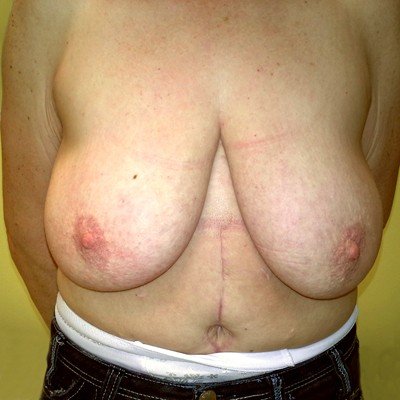
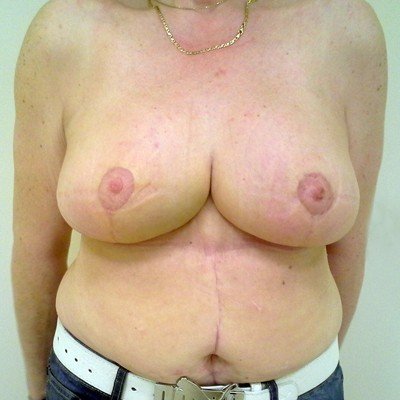
Breast reduction creates smaller, lighter and more proportionate breasts.

The breasts will gradually settle into their new shape as swelling subsides and the tissues heal. The final result becomes increasingly visible over the following weeks and months.

The scars are permanent, but they usually become flatter, softer and less visible with time. Scar development varies between individuals and can continue to improve for many months after surgery.

Breast Reduction for Very Large Breasts

We also perform breast reduction for women with extremely large breasts (gigantomastia).

In these cases, a larger amount of breast tissue, fat and skin may need to be removed, and the surgical technique is adapted to the individual patient's anatomy.

Your surgeon will discuss the expected result, possible limitations and the most appropriate surgical approach during your consultation.

Areola Reduction

Breast reduction can also include areola reduction when the areolas are disproportionately large or when reducing their size would improve the overall appearance of the breasts.

This can be performed as part of the breast reduction procedure when appropriate.

Before Surgery

Depending on your age, medical history and individual circumstances, your surgeon may recommend breast imaging, such as an ultrasound or mammogram, before surgery.

If you are travelling to Prague and do not have recent breast imaging from your home country, we can help arrange the necessary examination locally.

Your Individual Treatment Plan

Every breast reduction procedure is different. During your consultation, the surgeon will assess your breasts and discuss your expectations, the amount of tissue that may be removed, the expected scars and the most appropriate surgical technique.

The goal is not simply to make the breasts smaller, but to create a balanced shape and position that suits your body while improving comfort and everyday quality of life.

This website uses cookies

We use cookies to personalize content and ads, provide social media features, and analyze our traffic. We share information about how you use our website with our partners for social media, advertising and analytics. Partners may combine this data with other information you have provided to them or obtained as a result of your use of their services. More information.

Settings

Your privacy is important. You can choose from the cookie settings below. More information.