Who Is It For?
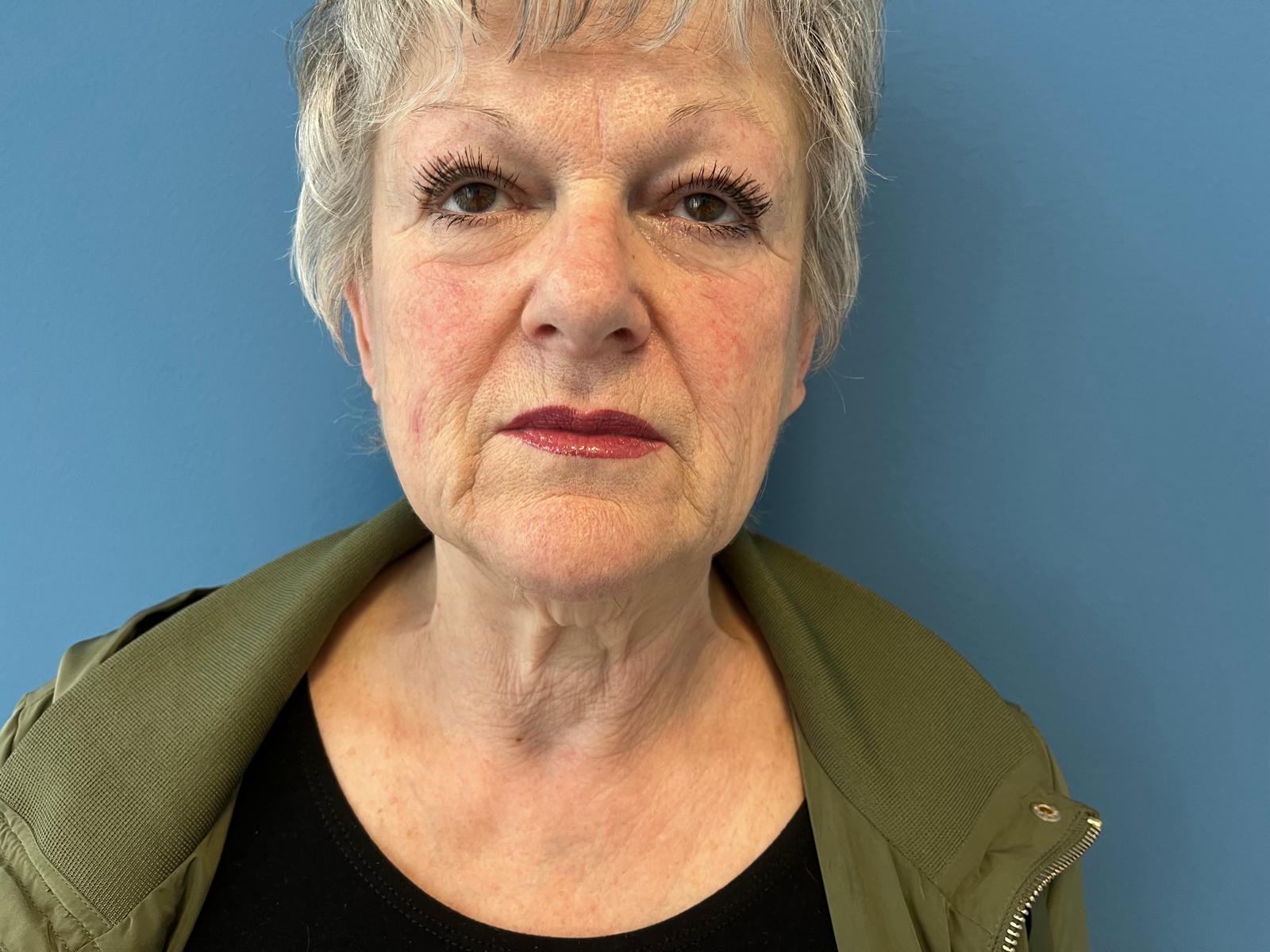
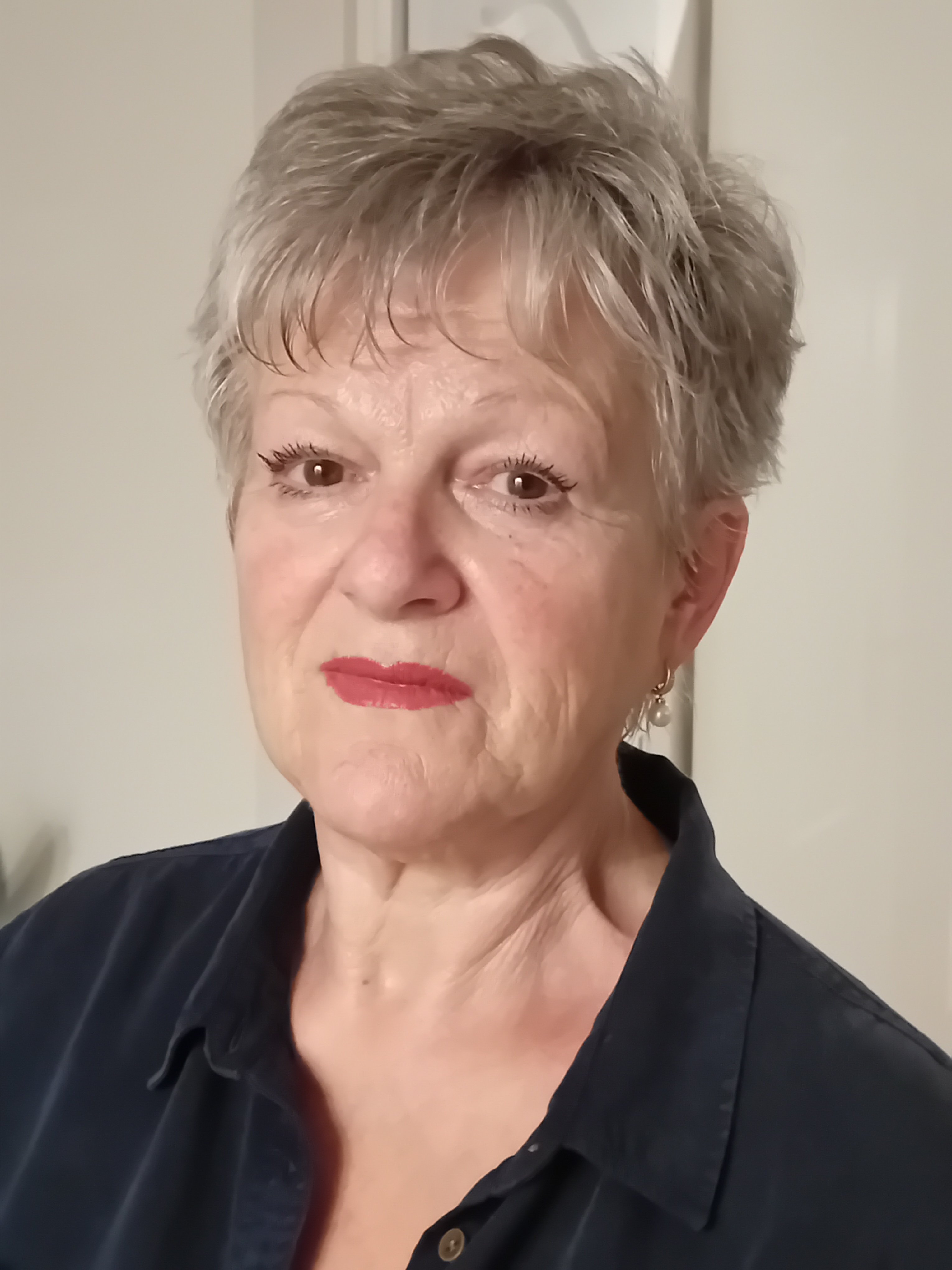
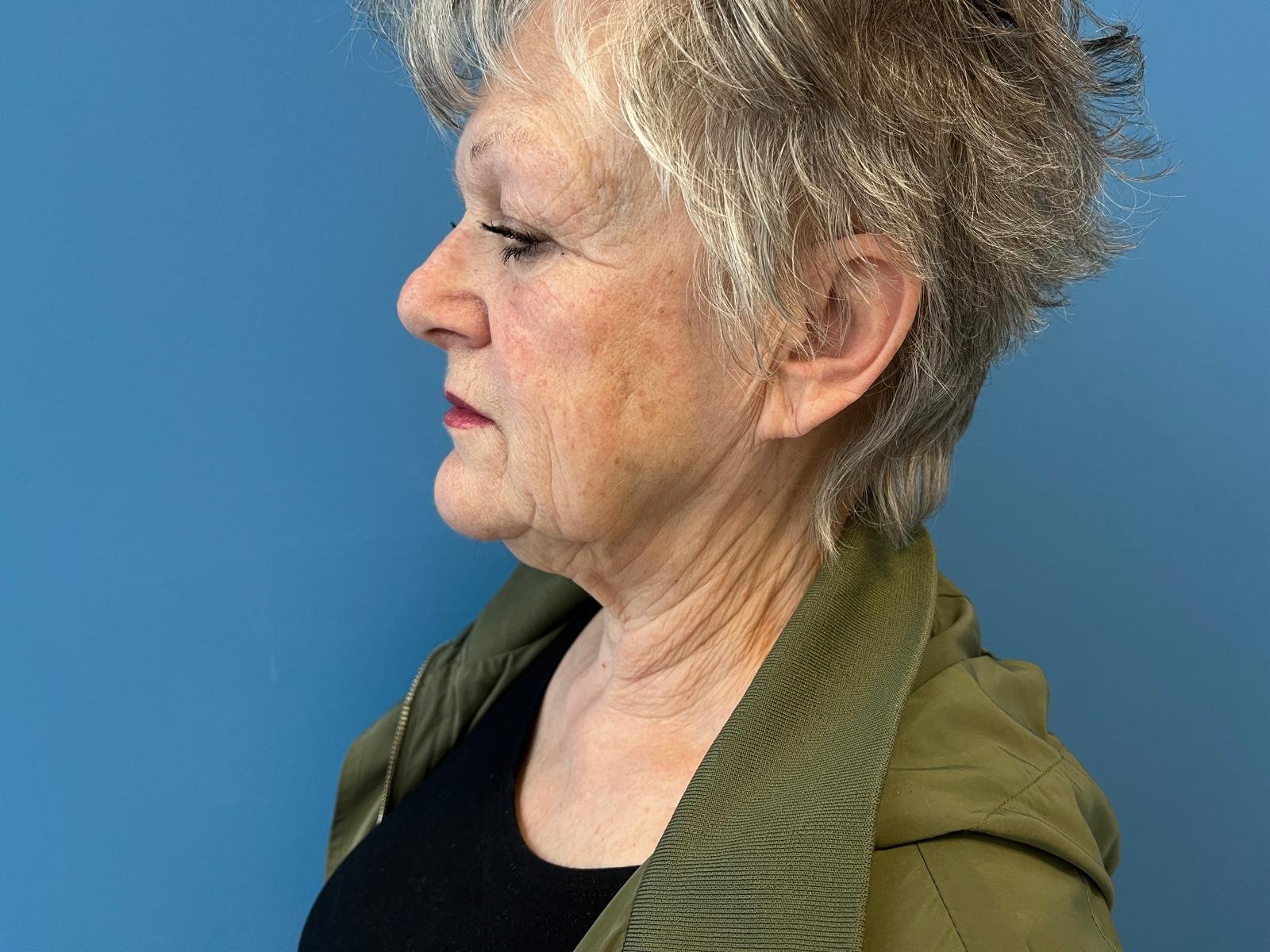
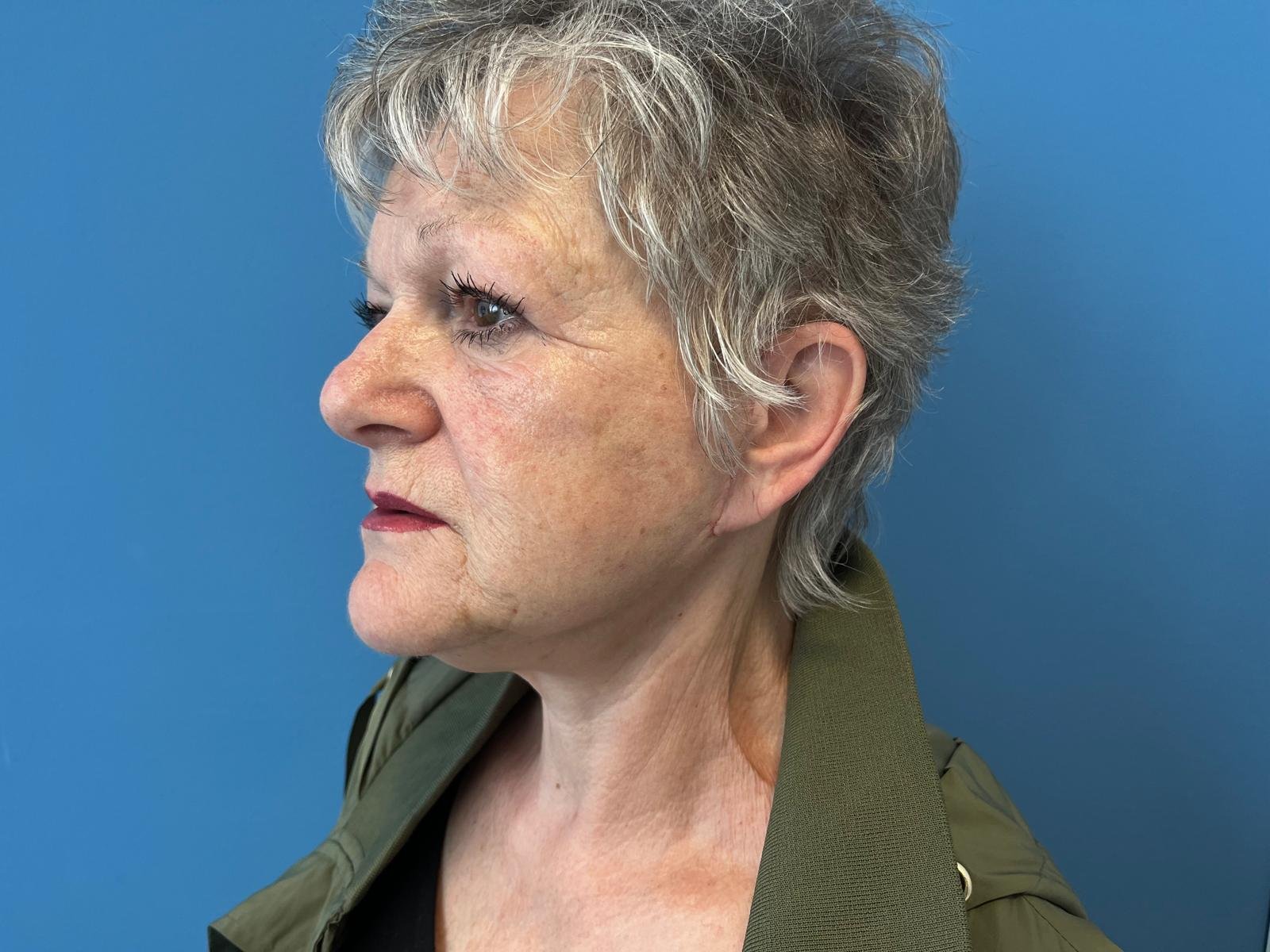
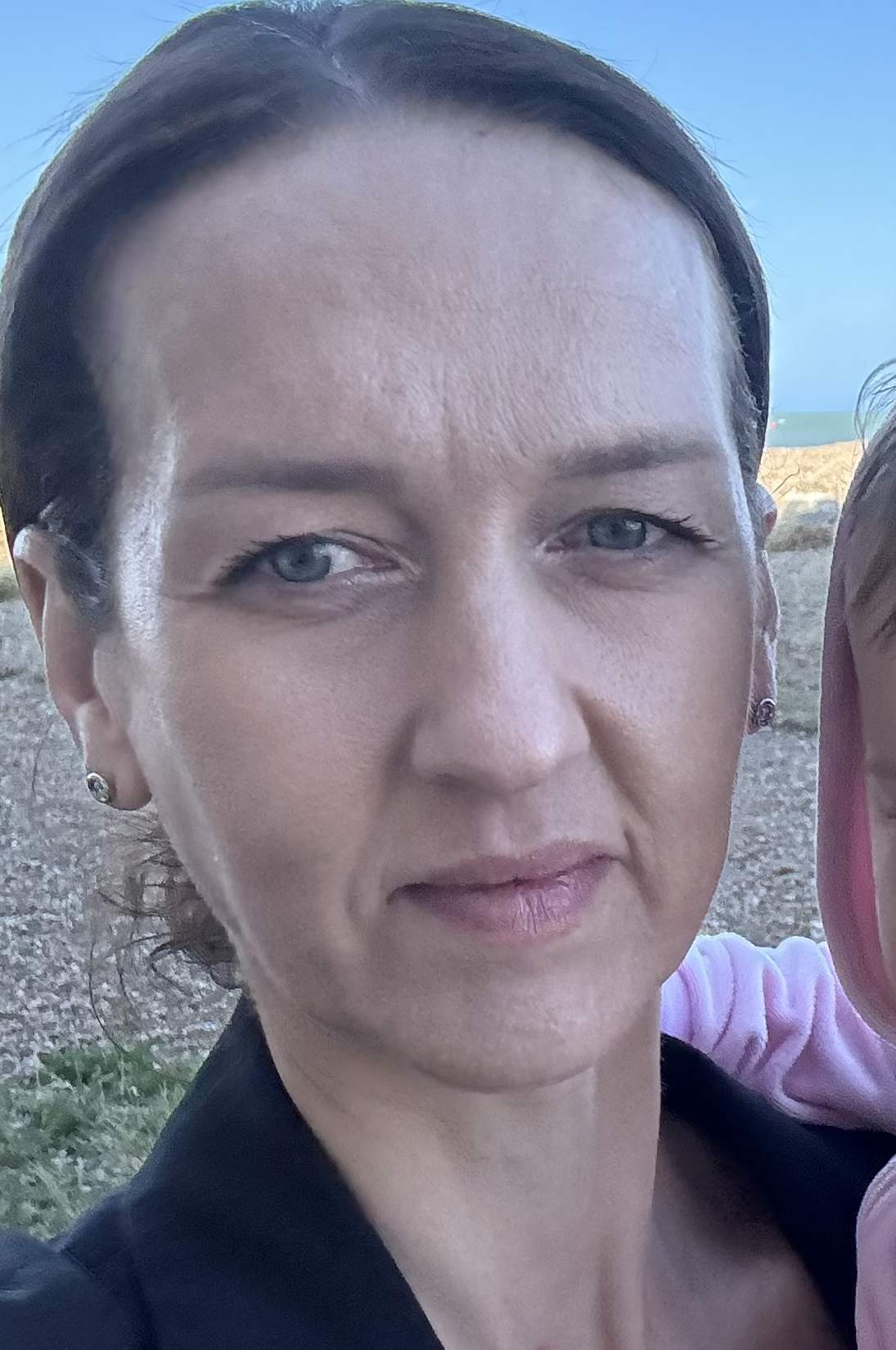
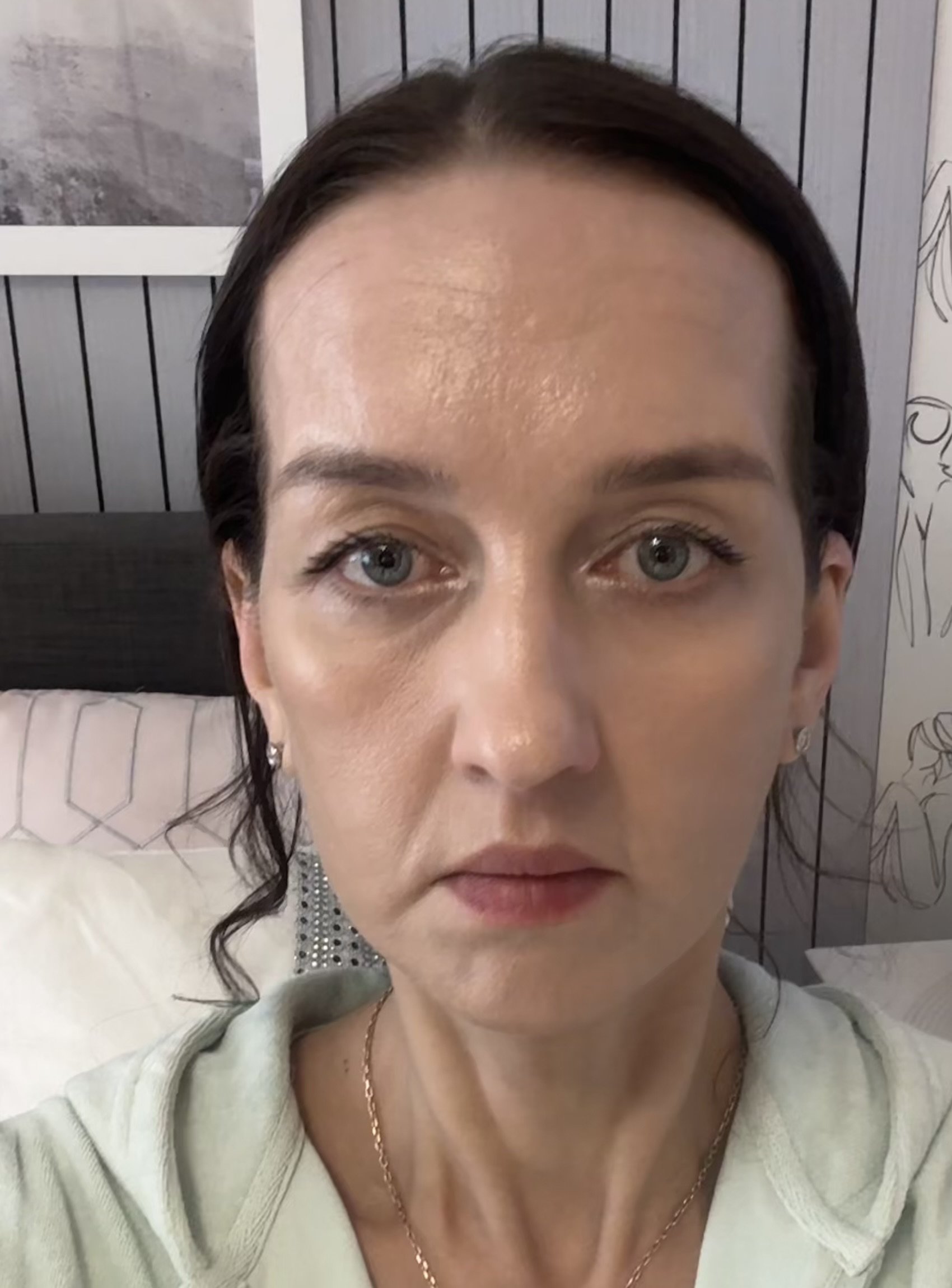
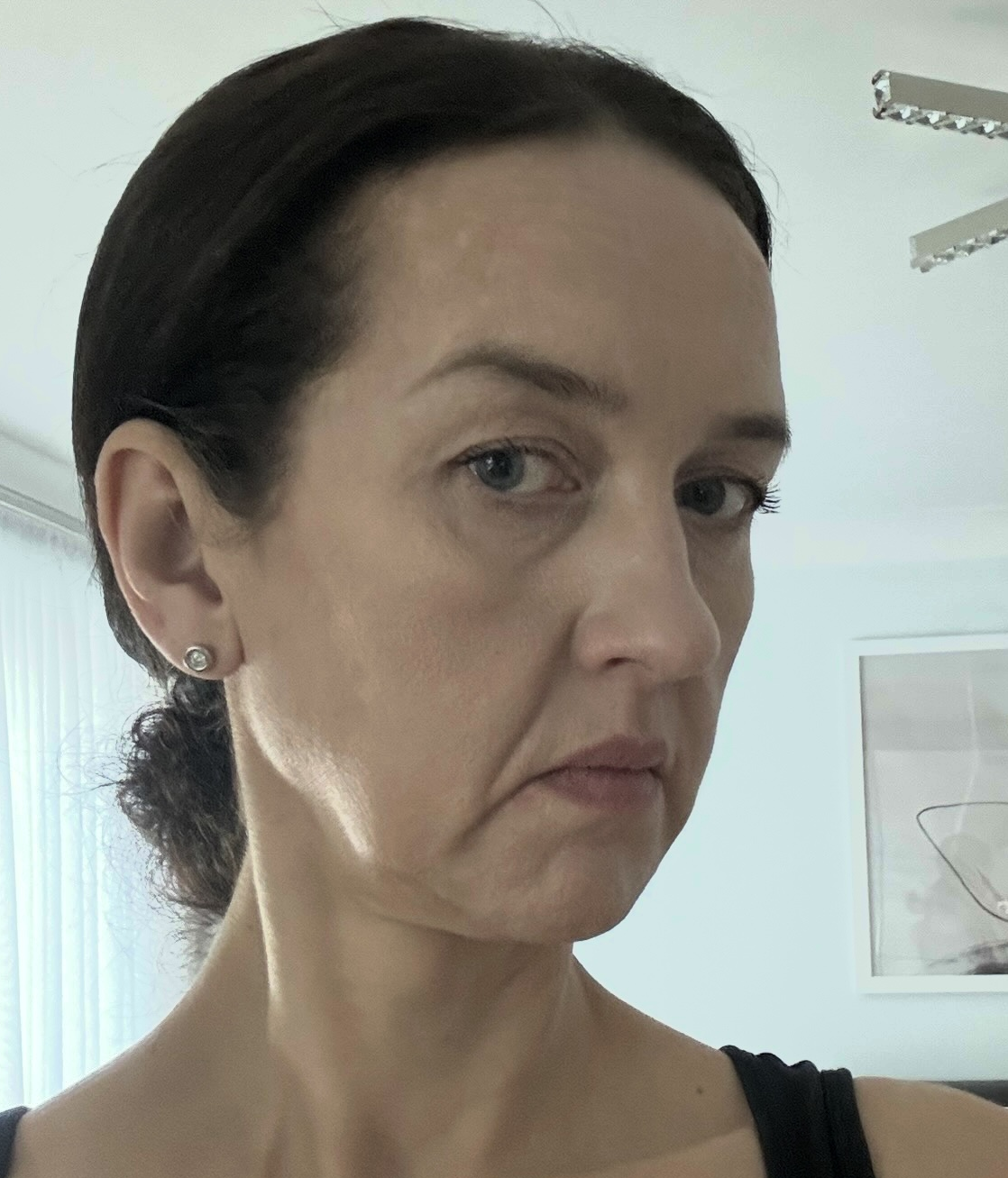
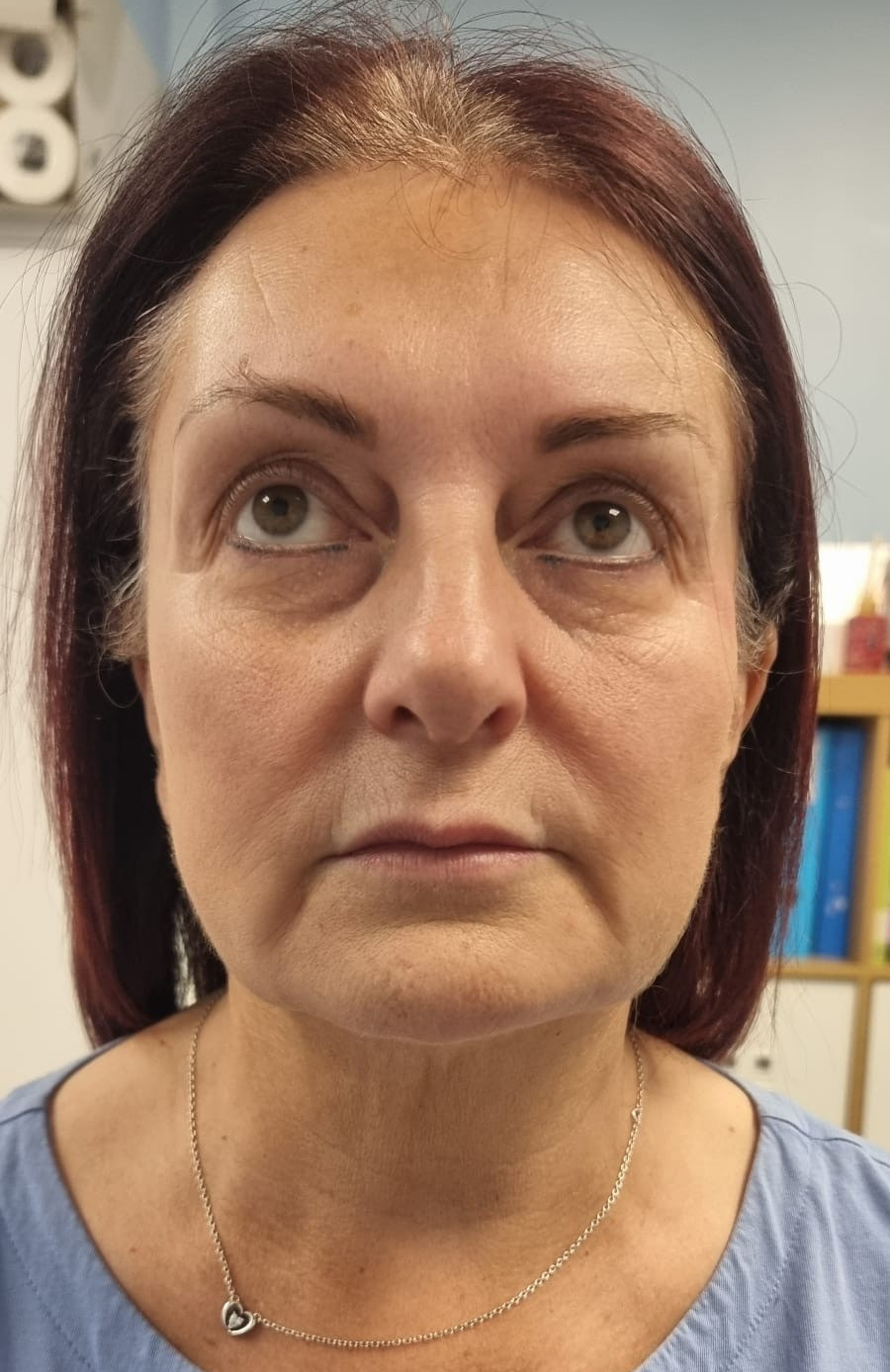
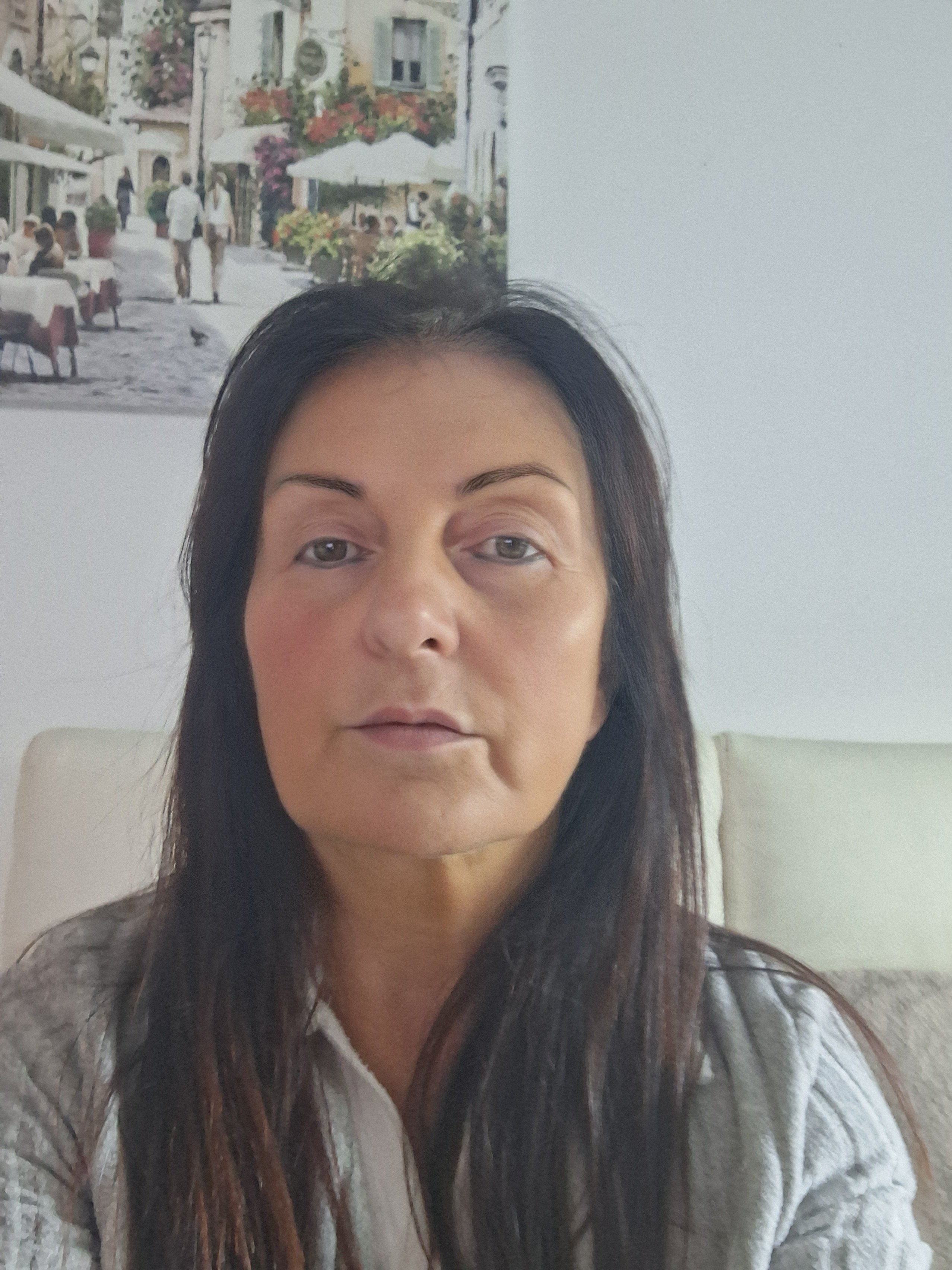
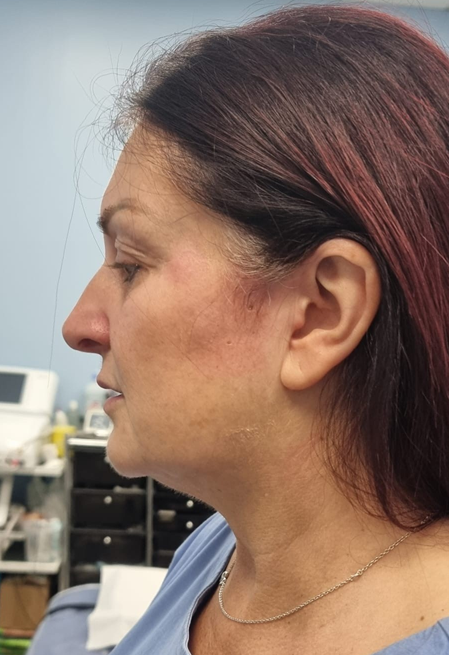
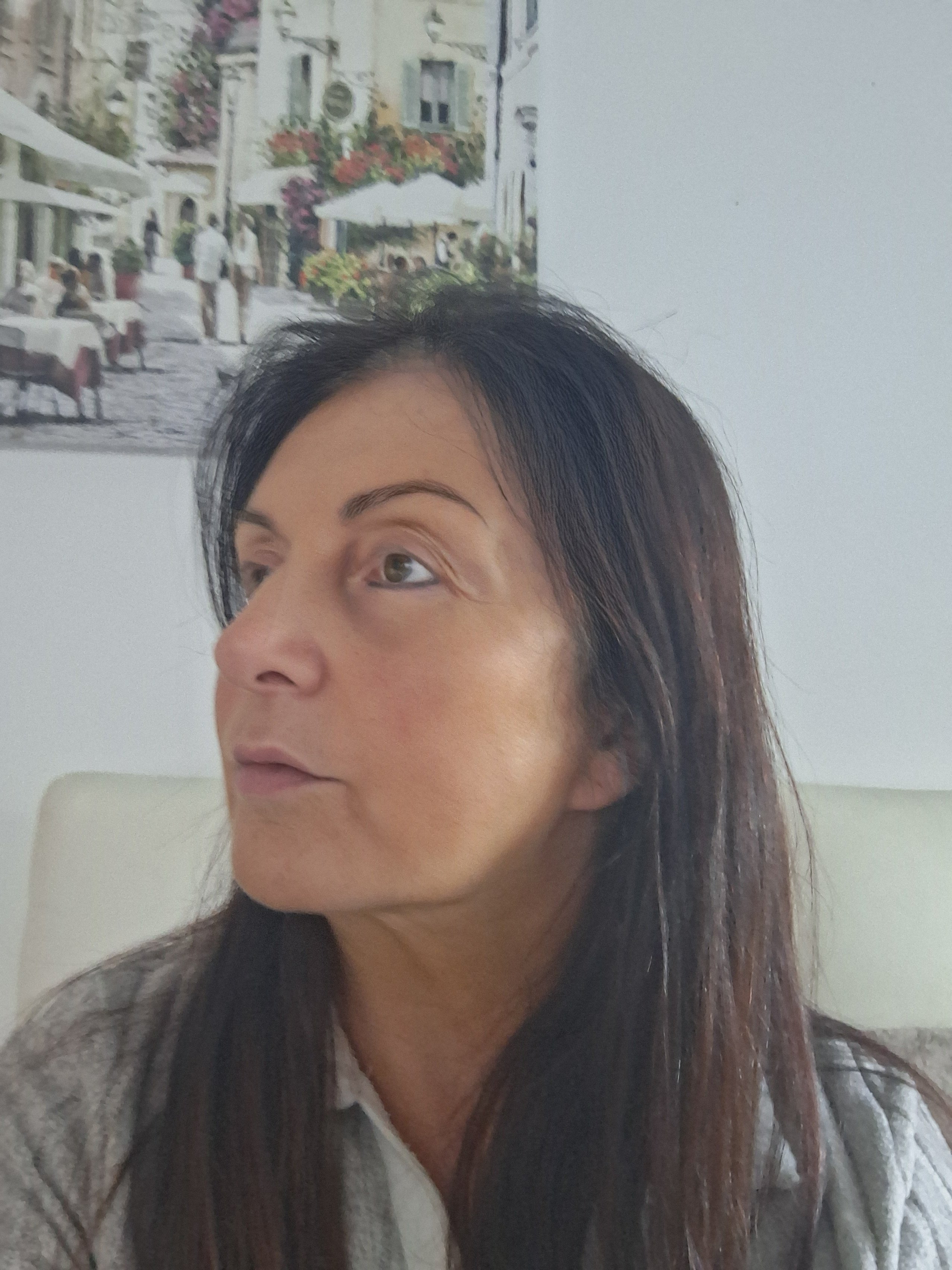
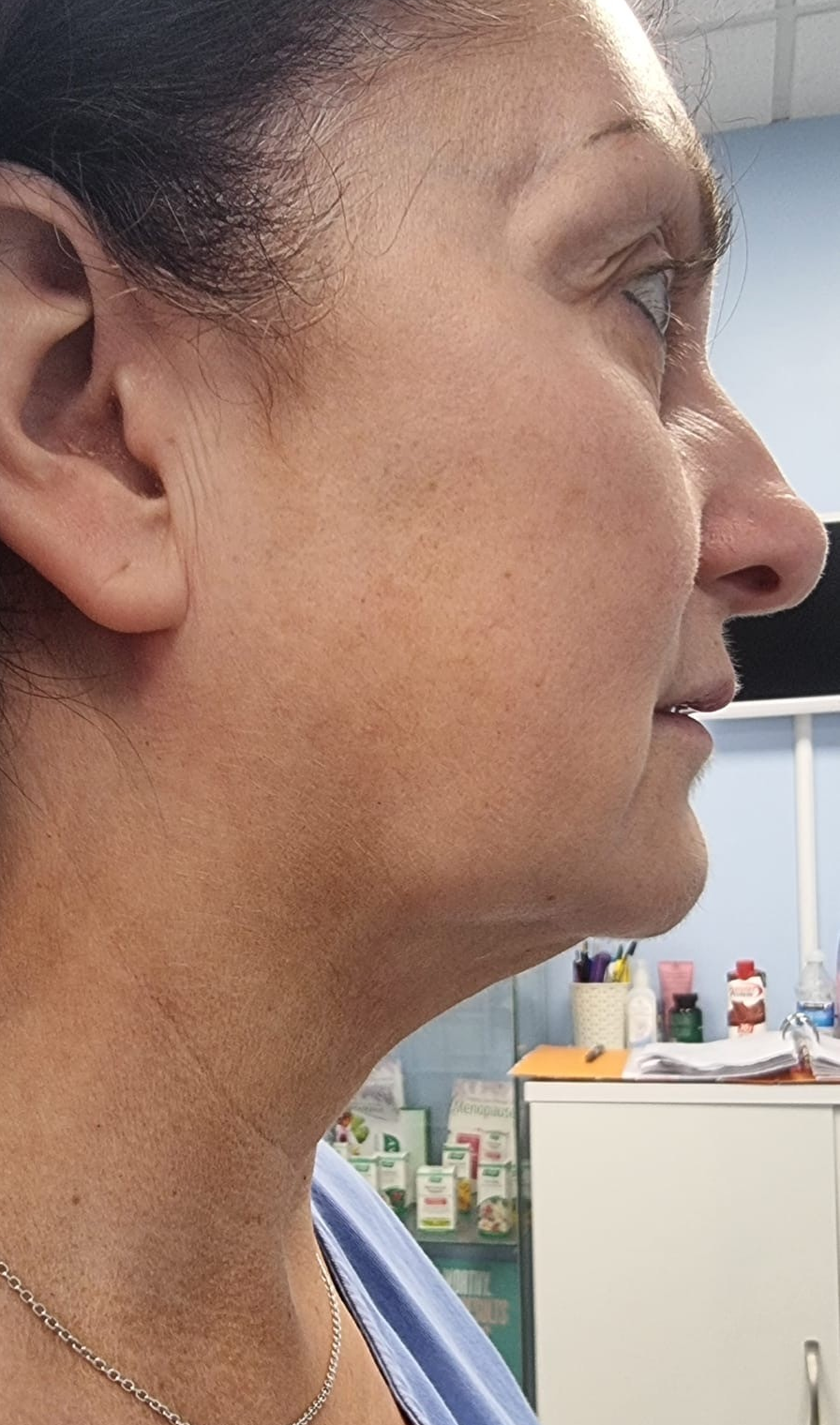
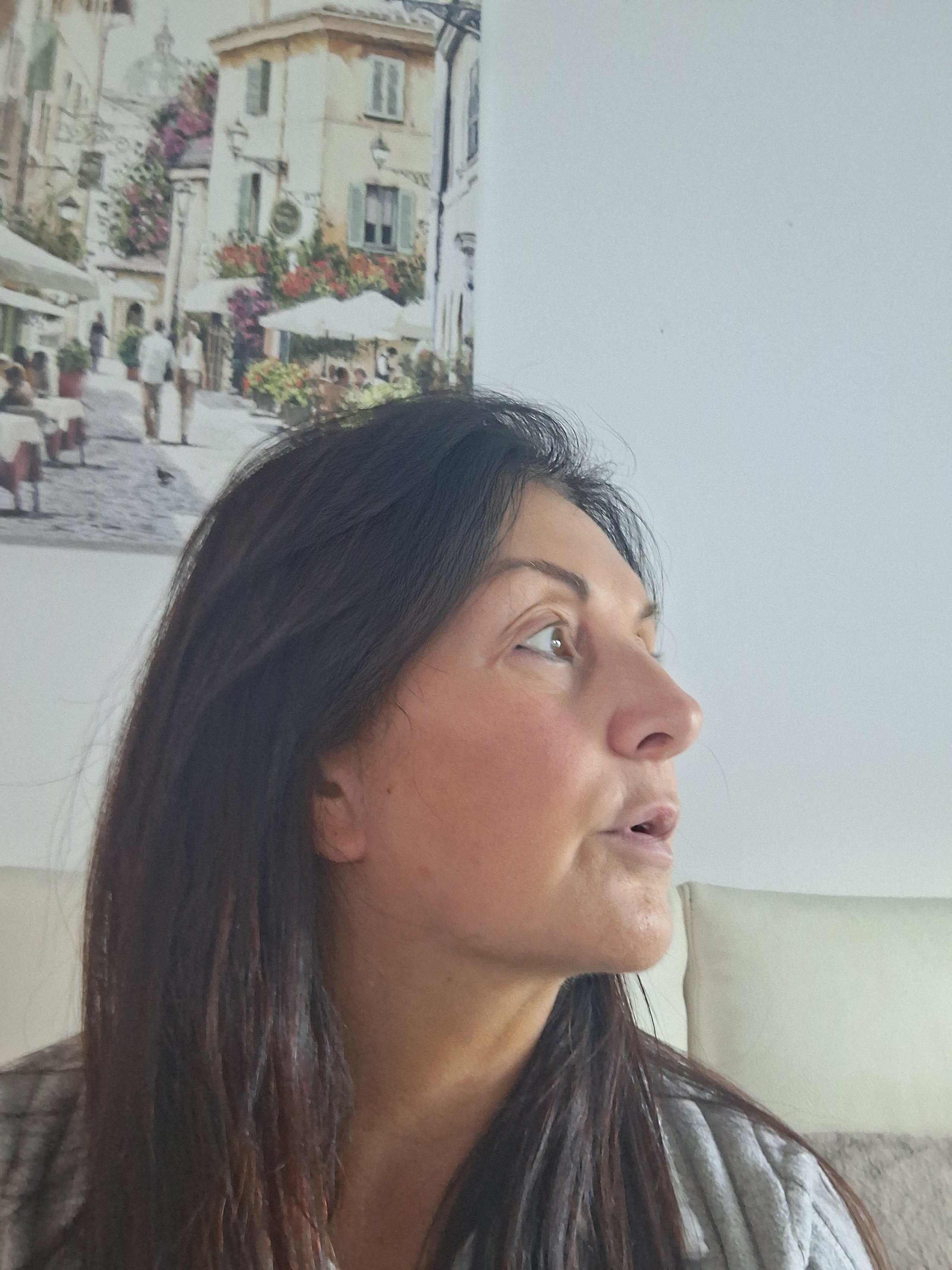
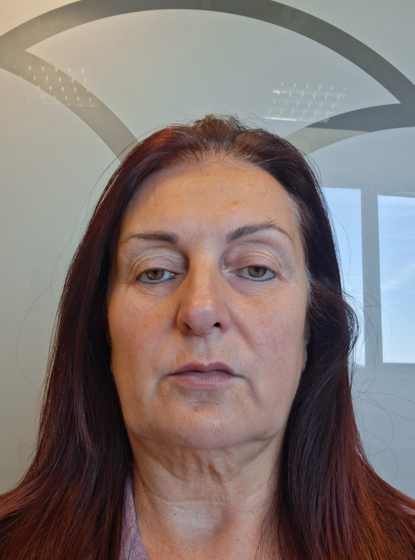
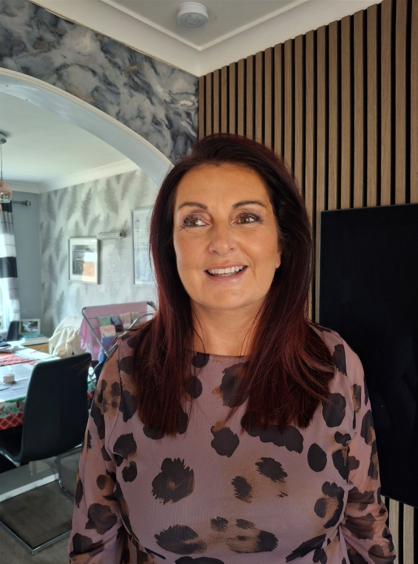
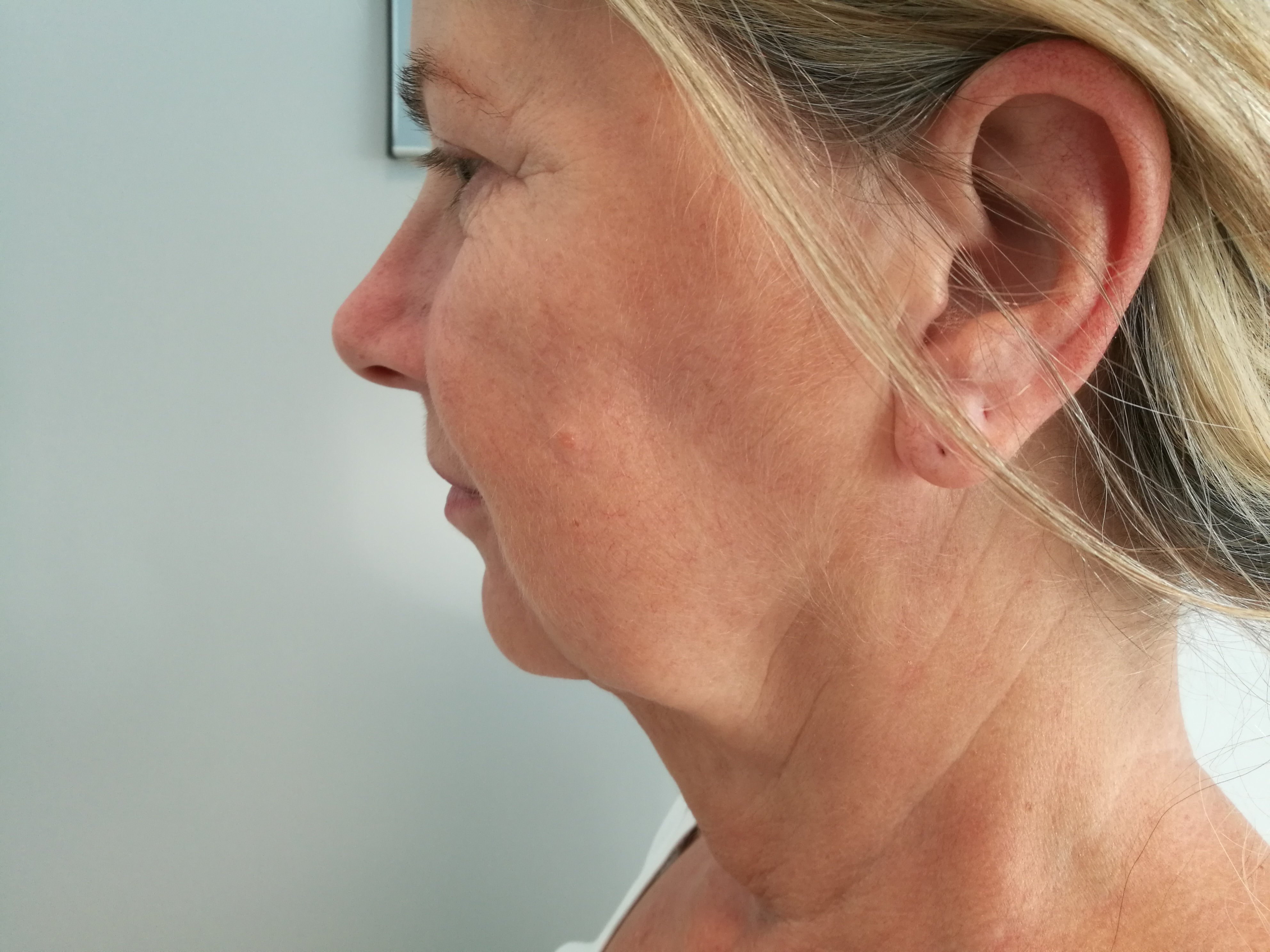
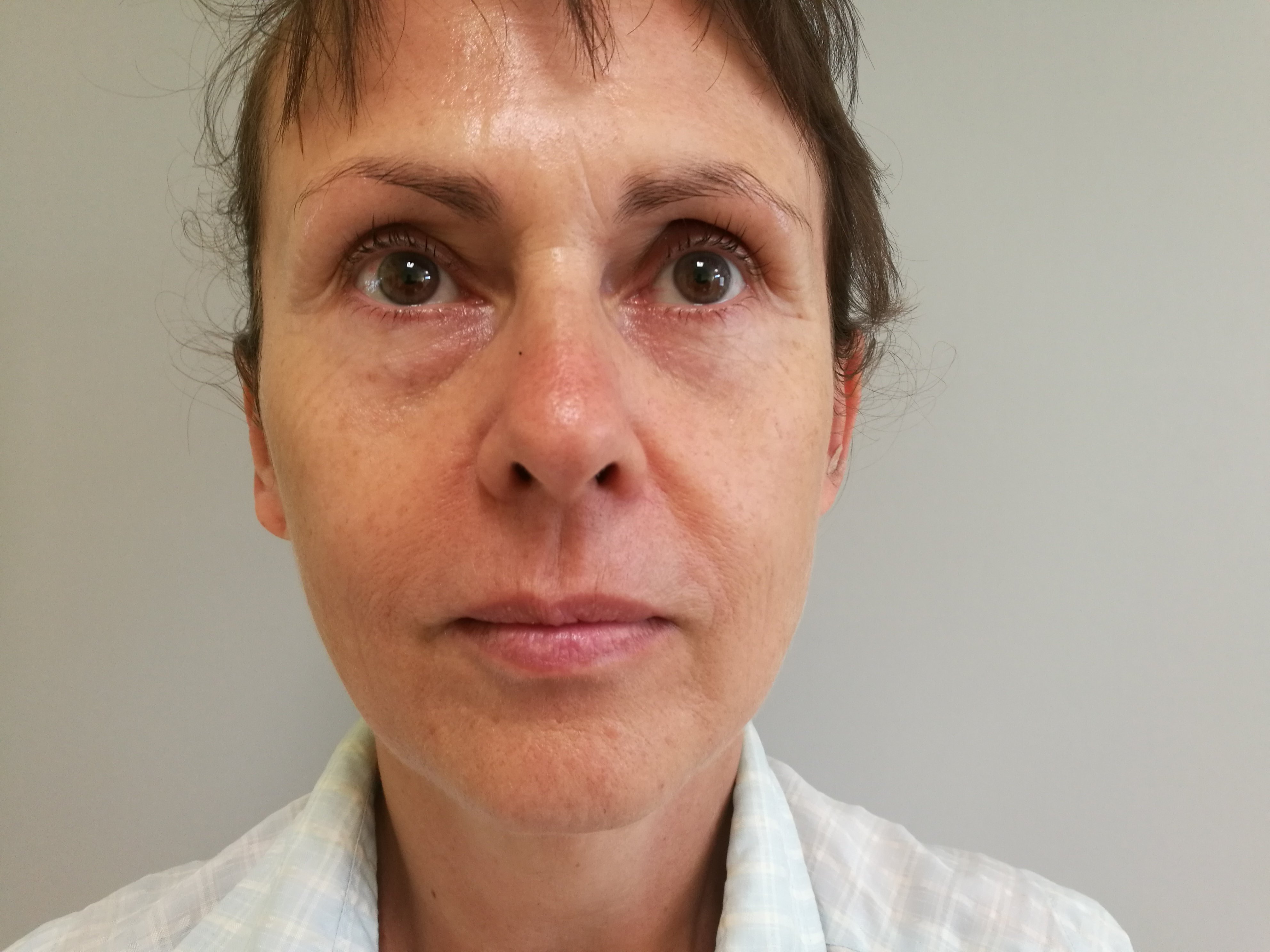
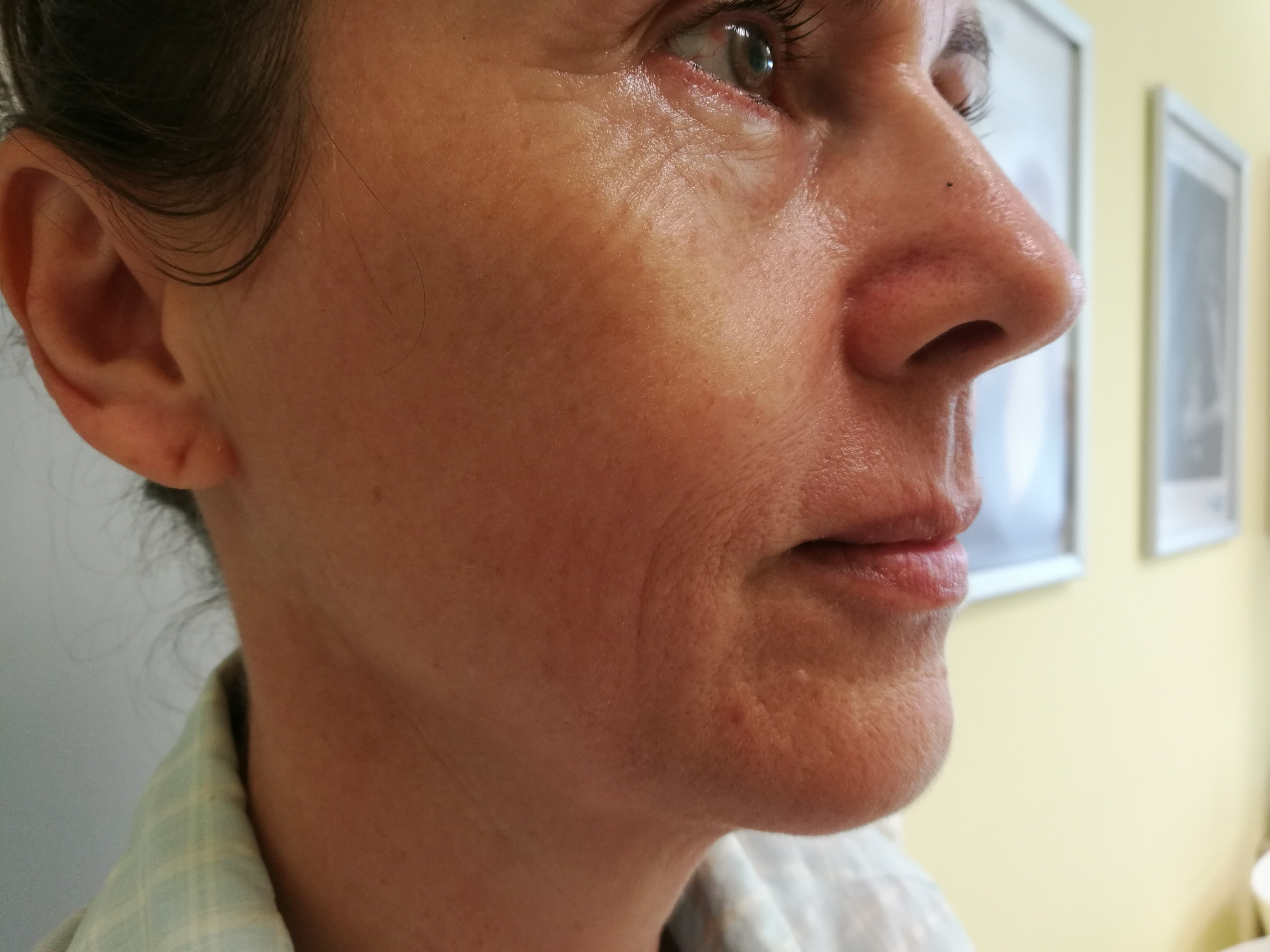
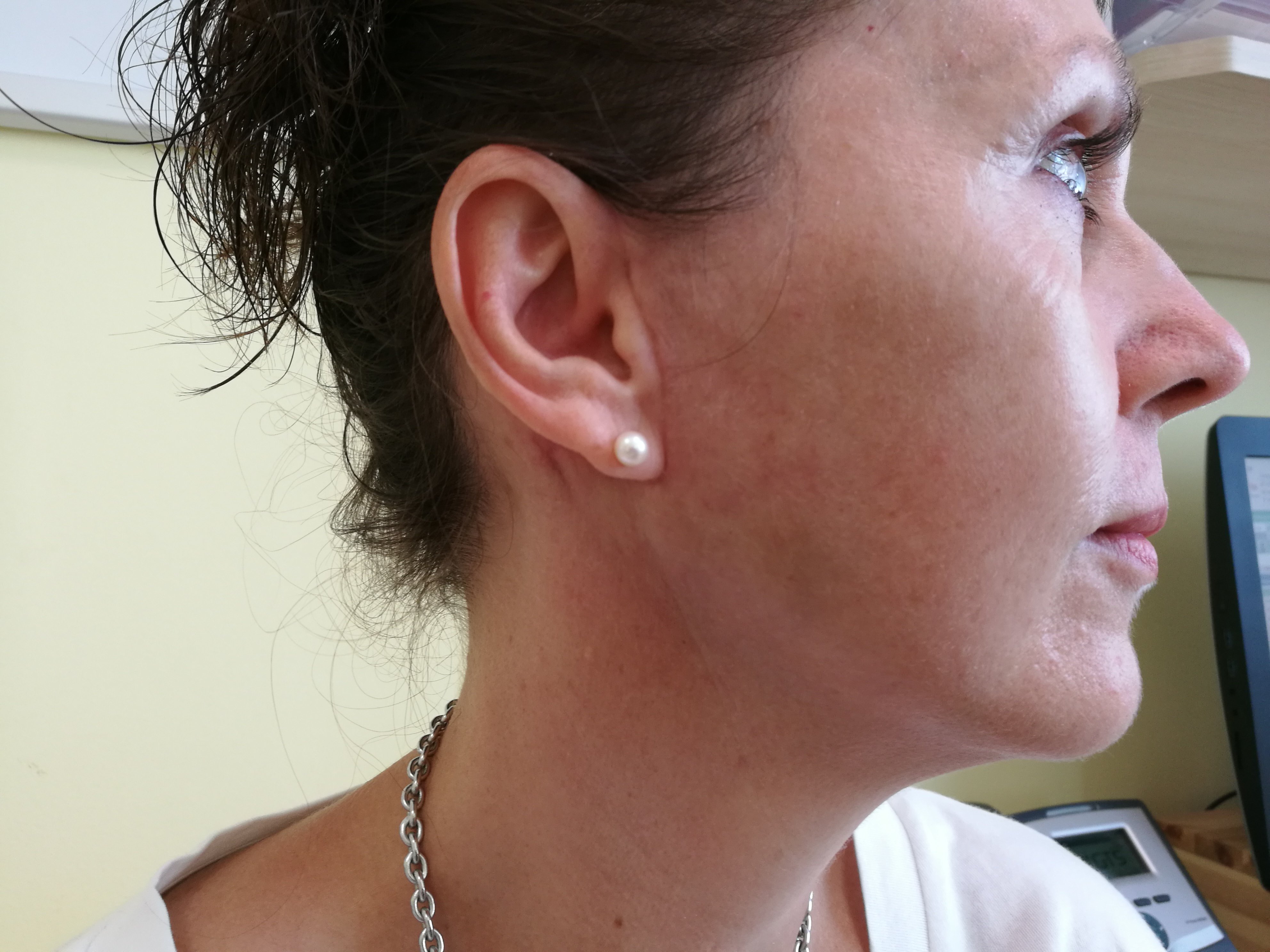
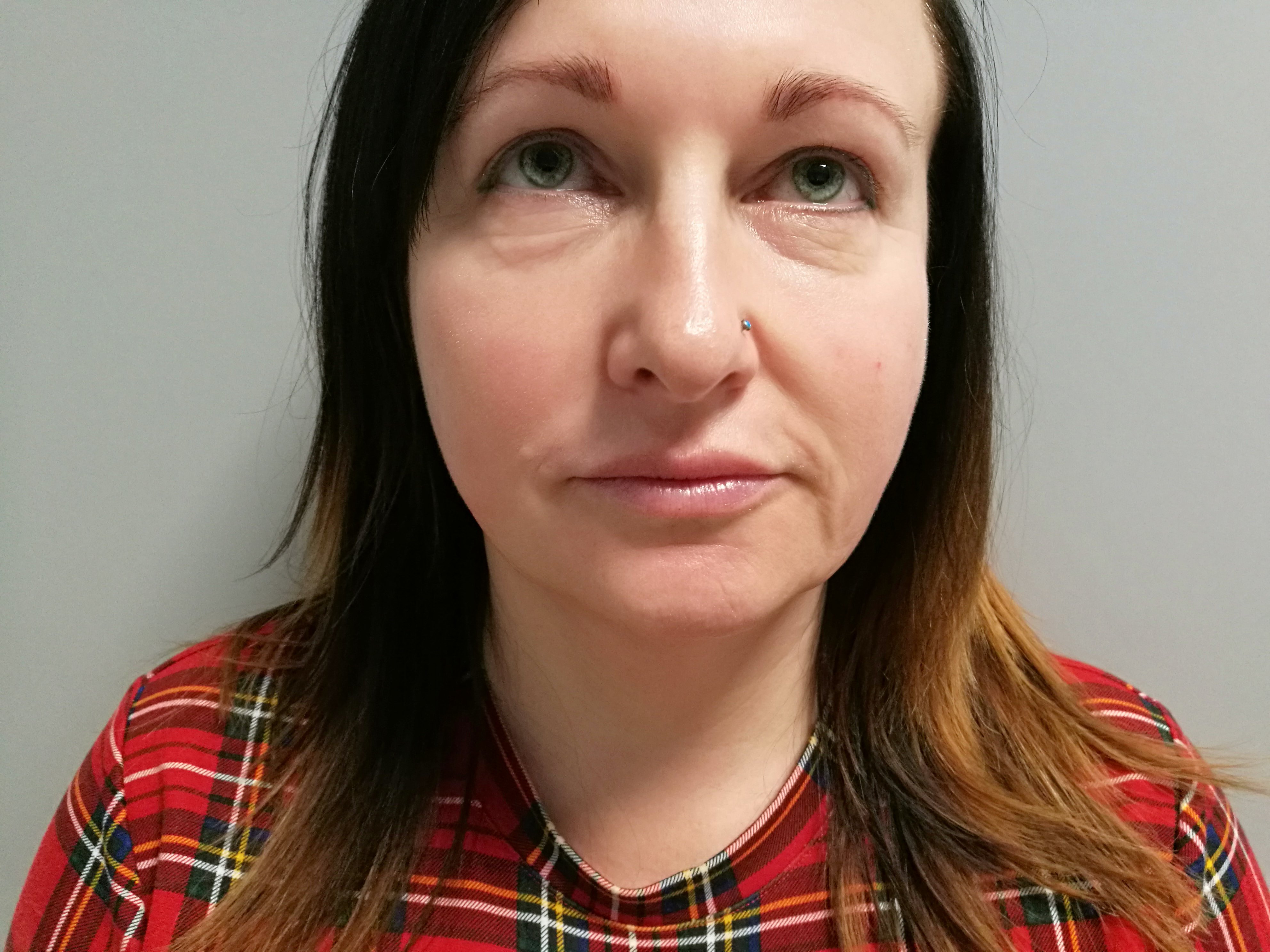
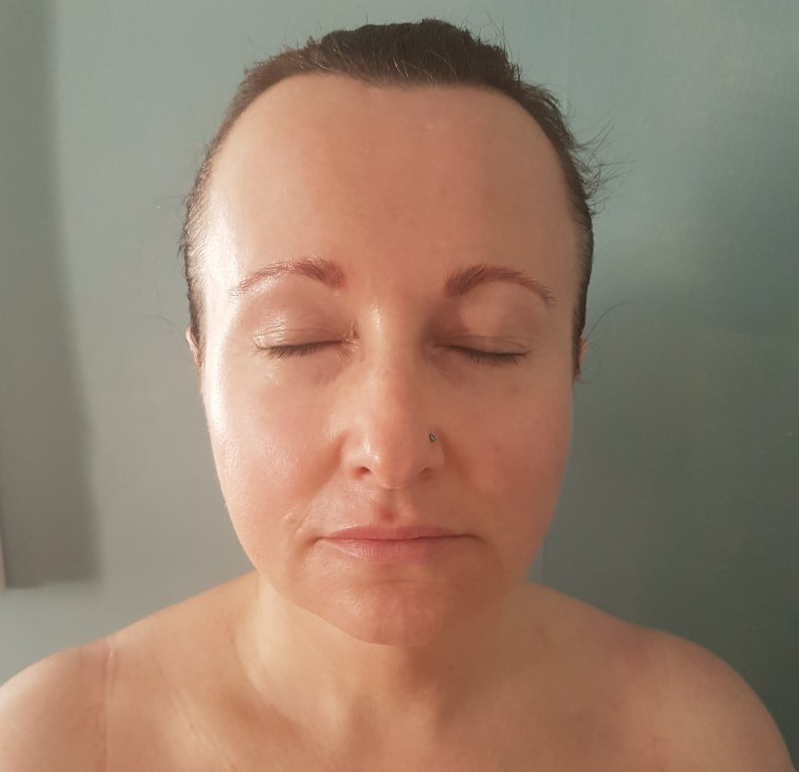
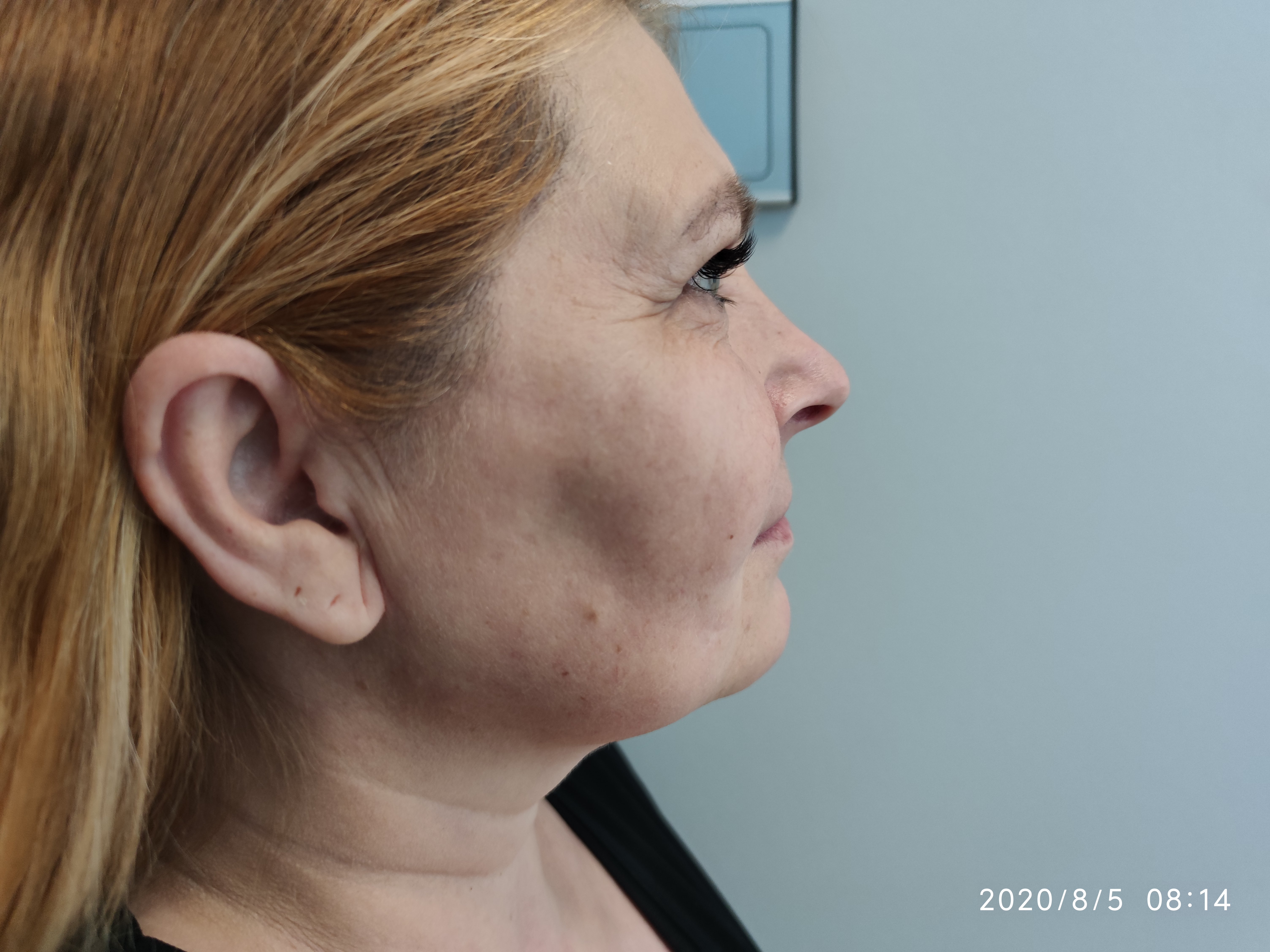
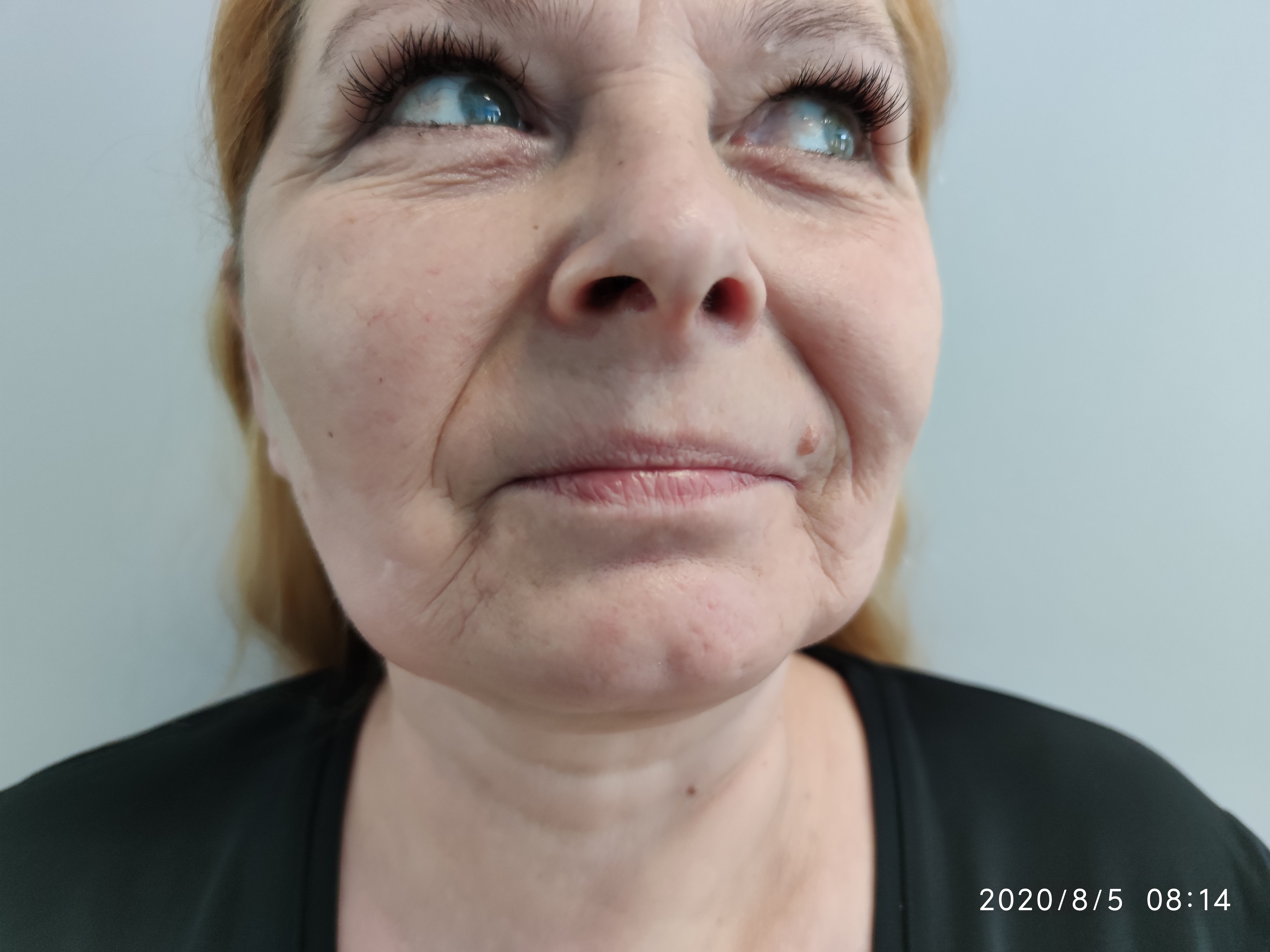
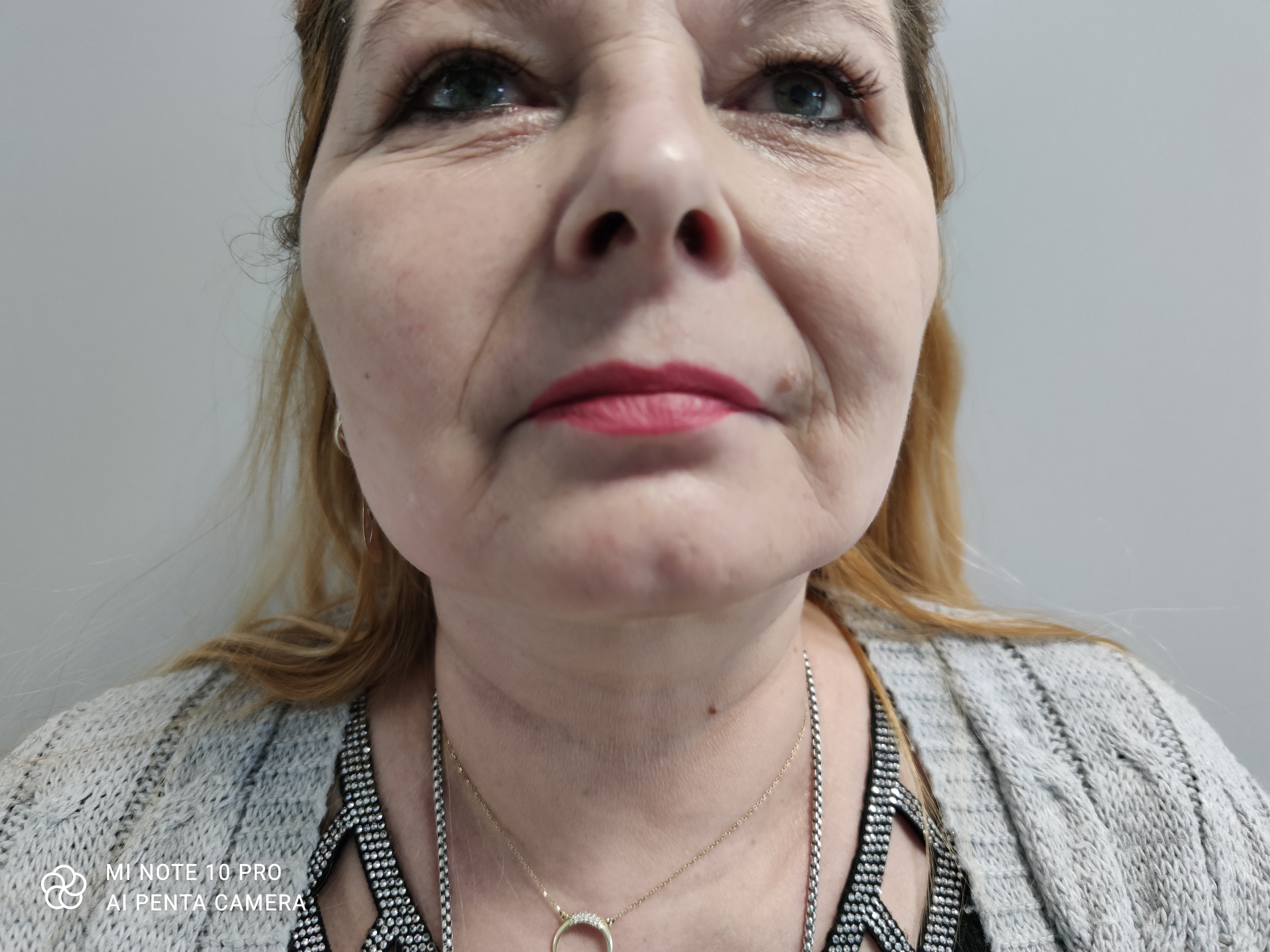
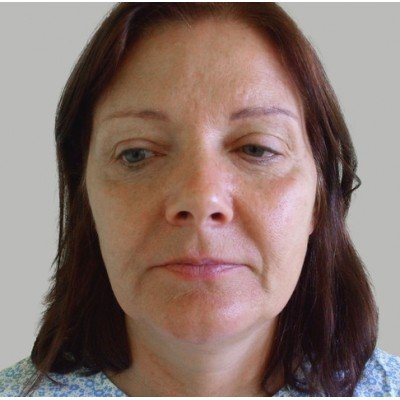
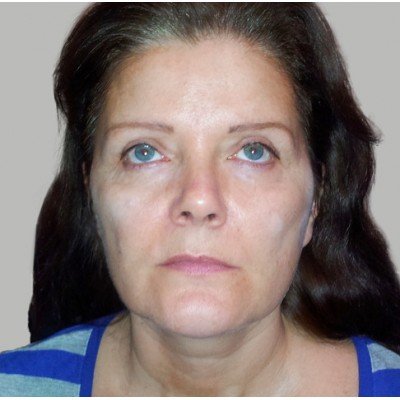
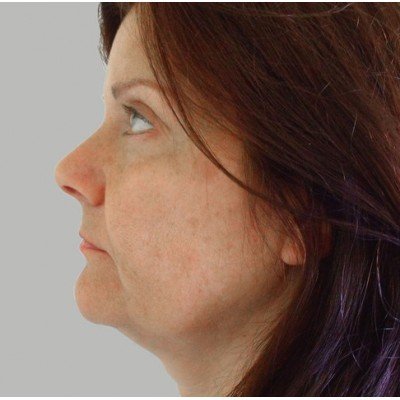
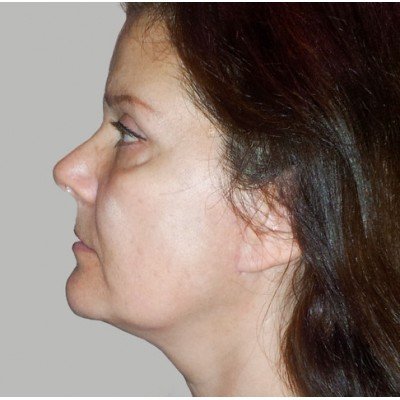
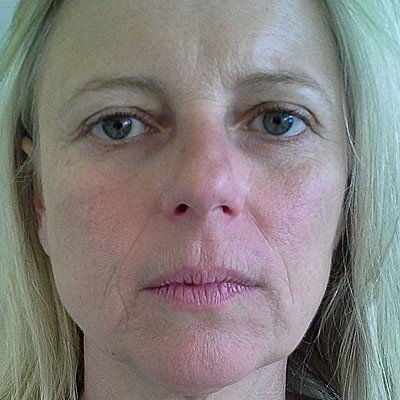
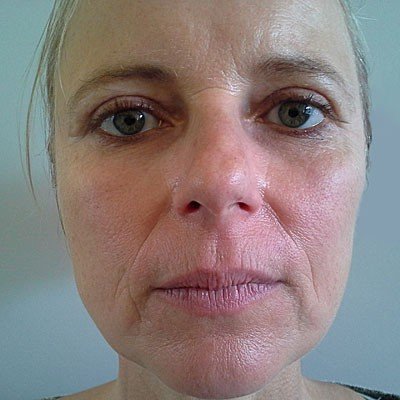
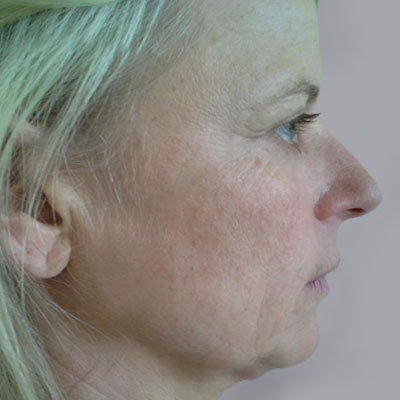
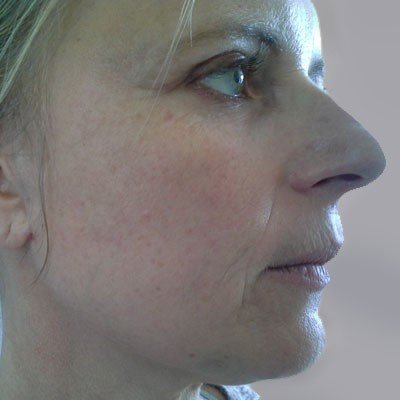
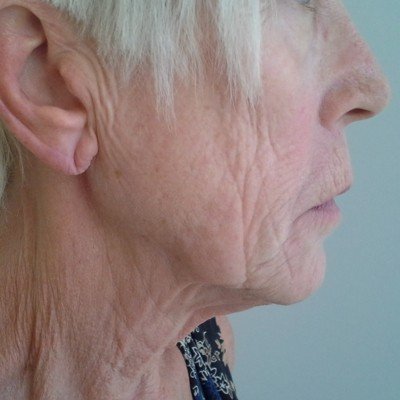
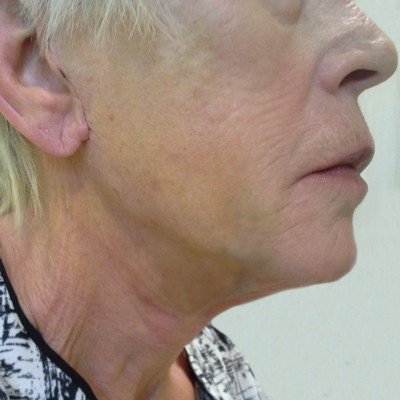
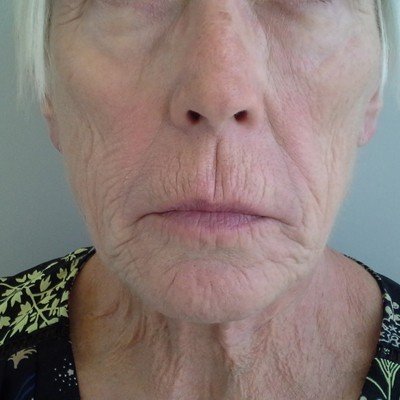
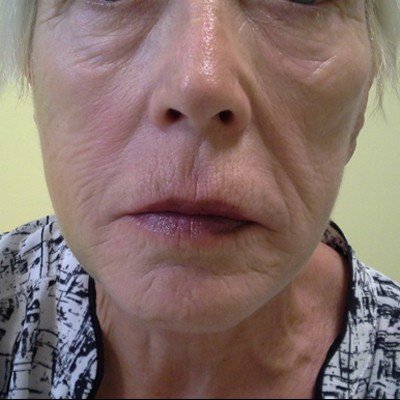
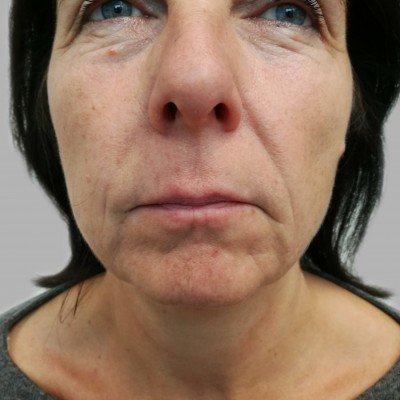
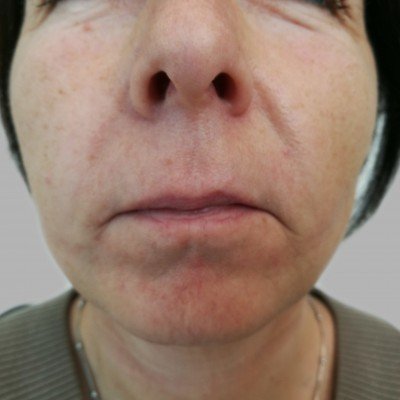
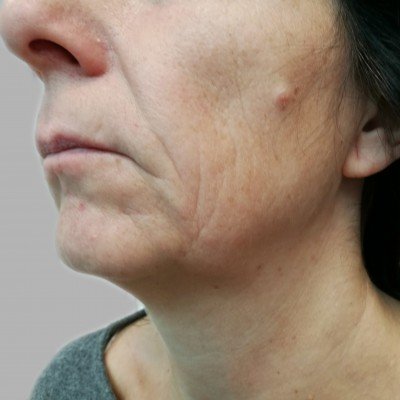
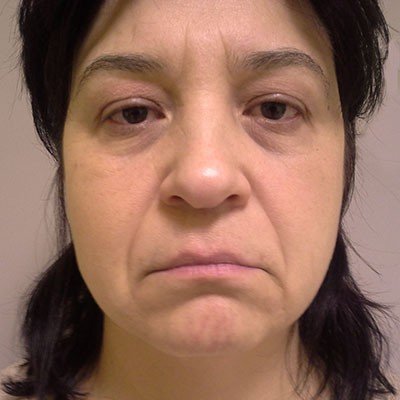
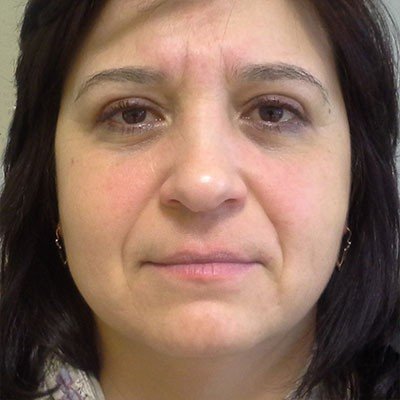
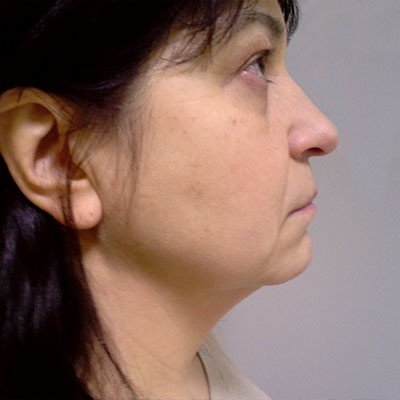
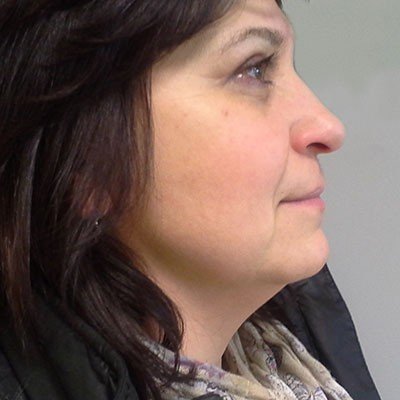
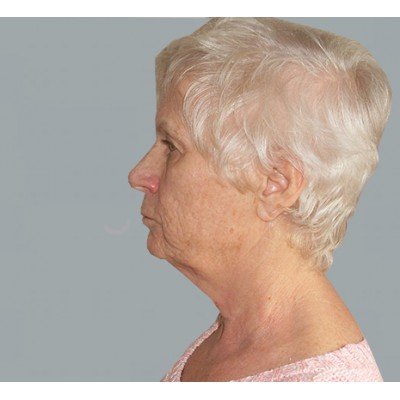
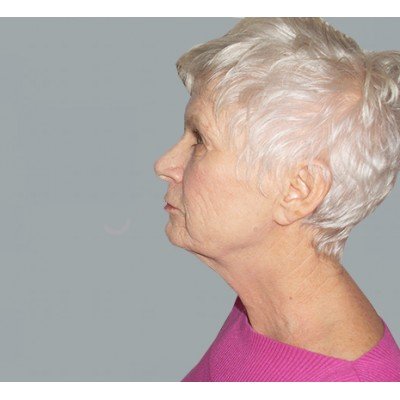
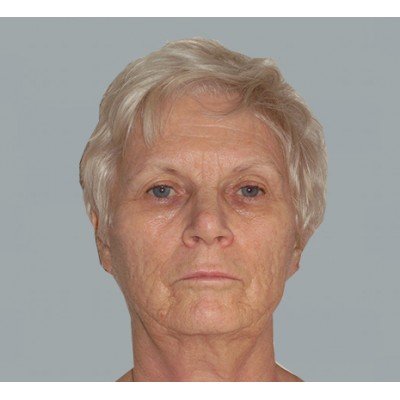
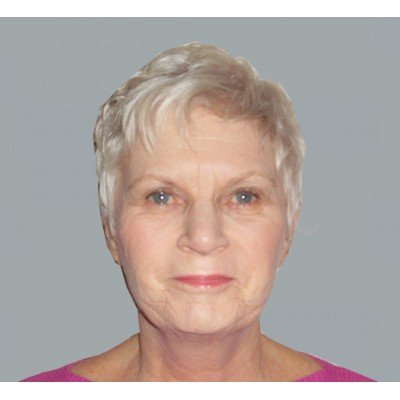
As we age, the skin and deeper tissues of the face gradually lose their firmness. The result may be sagging skin, jowls, deeper folds and a less defined jawline. The face can begin to look tired or older than you feel.
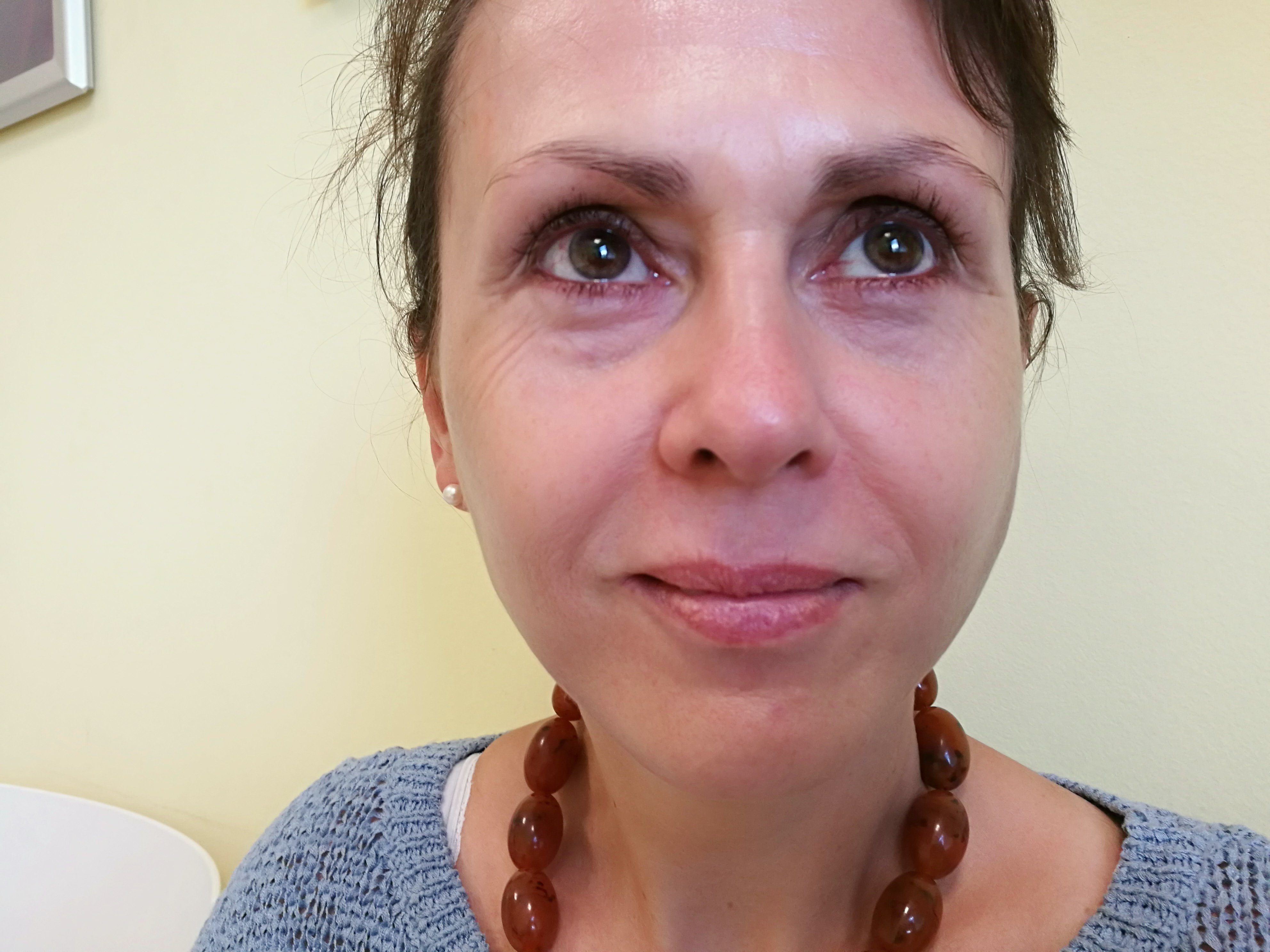
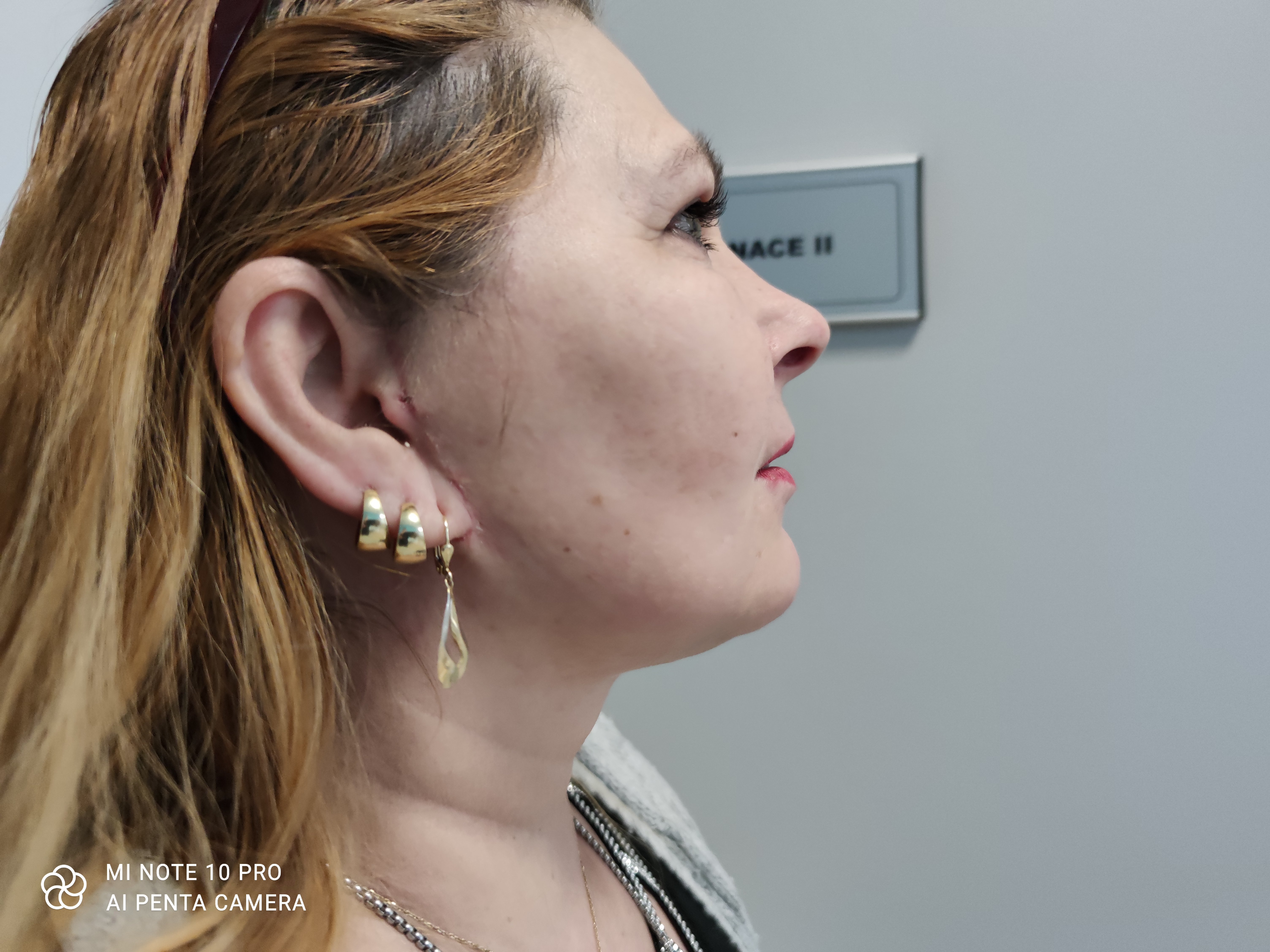
A facelift is designed to restore a more youthful and natural appearance by repositioning and tightening the deeper tissues of the face and redraping the skin. At Mediczech, we offer SMAS facelift as well as a less extensive mini facelift.
The SMAS facelift works not only with the skin but also with the deeper supporting layer of facial tissue (SMAS). This allows the surgeon to achieve a more comprehensive and longer-lasting correction while maintaining natural-looking facial features.
Important: Personal Consultation Before Booking
A personal consultation with the surgeon is required before a facelift procedure can be booked. Every face is different, and the most appropriate type and extent of surgery cannot be determined from photographs alone.
During the consultation, the surgeon will carefully examine and palpate the facial tissues, assess the quality and degree of skin laxity, the position of the deeper tissues, jowls and jawline, and determine which procedure will provide the best result.
Only after this in-person assessment can the surgeon recommend whether a SMAS facelift, mini facelift or another combination of procedures is appropriate.
SMAS Facelift
A SMAS facelift is a comprehensive facial rejuvenation procedure that addresses both the skin and the deeper supporting tissues of the face.
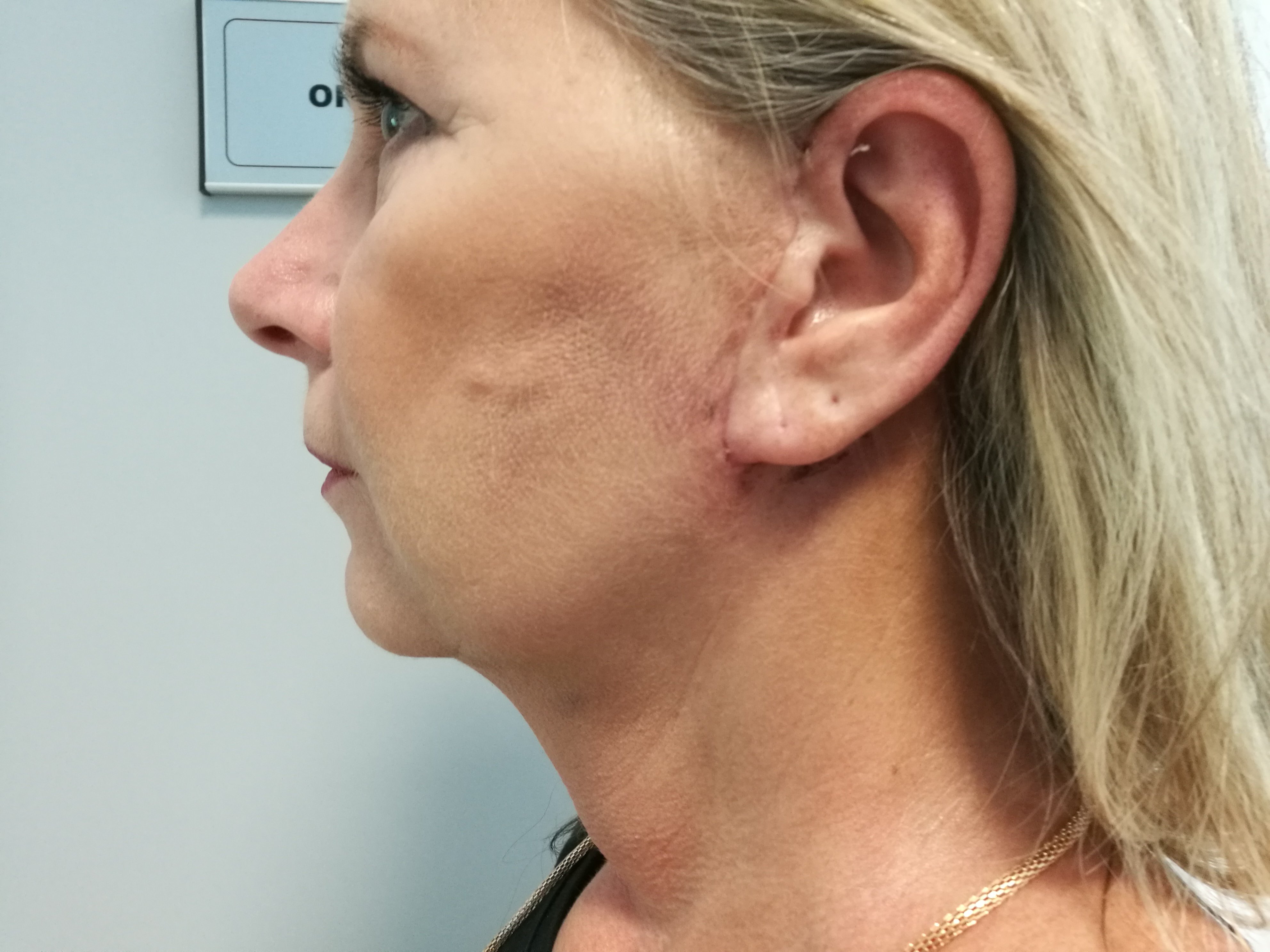
During the procedure, the surgeon repositions and tightens the SMAS layer and then carefully redrapes the skin. Excess skin is removed where necessary. The aim is not to change the patient's facial features, but to restore a fresher and more defined appearance while preserving a natural look.
Depending on the patient's individual needs, a SMAS facelift may also be combined with a neck lift, eyelid surgery or liposuction of the chin and neck area.
Mini Facelift
A mini facelift is a less extensive procedure suitable for patients with a milder degree of facial ageing, particularly when the main concern is early jowling or loss of definition along the jawline.
Compared with a full facelift, a mini facelift generally involves shorter incisions, less extensive tissue mobilisation and a shorter operating time. This can mean less swelling and a somewhat faster recovery.
Whether a mini facelift is suitable depends on the individual anatomy and degree of skin and tissue laxity. The surgeon will assess this during the mandatory personal consultation.
How Is It Done?
The exact surgical technique is selected according to the patient's anatomy and the type of facelift recommended.
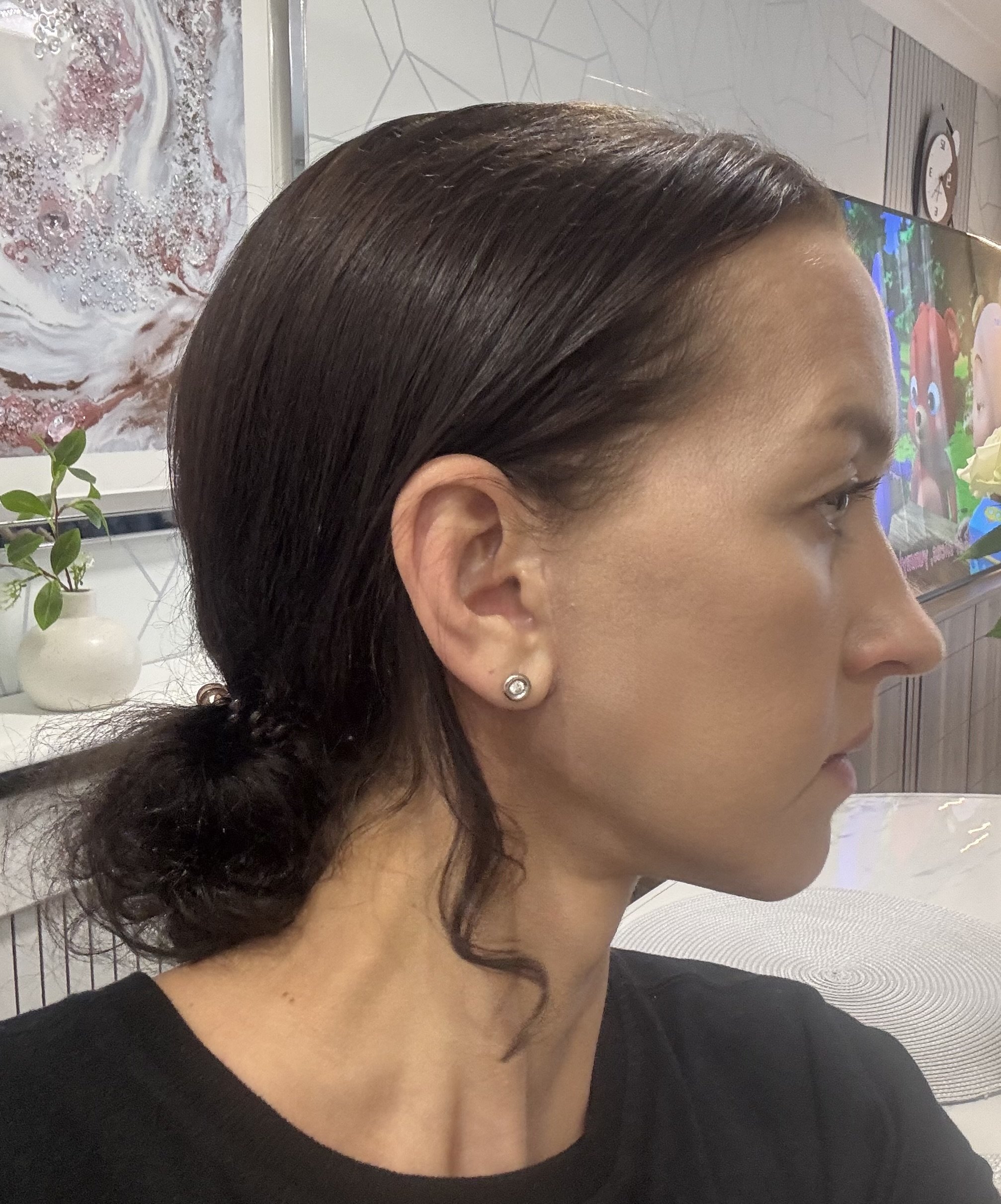
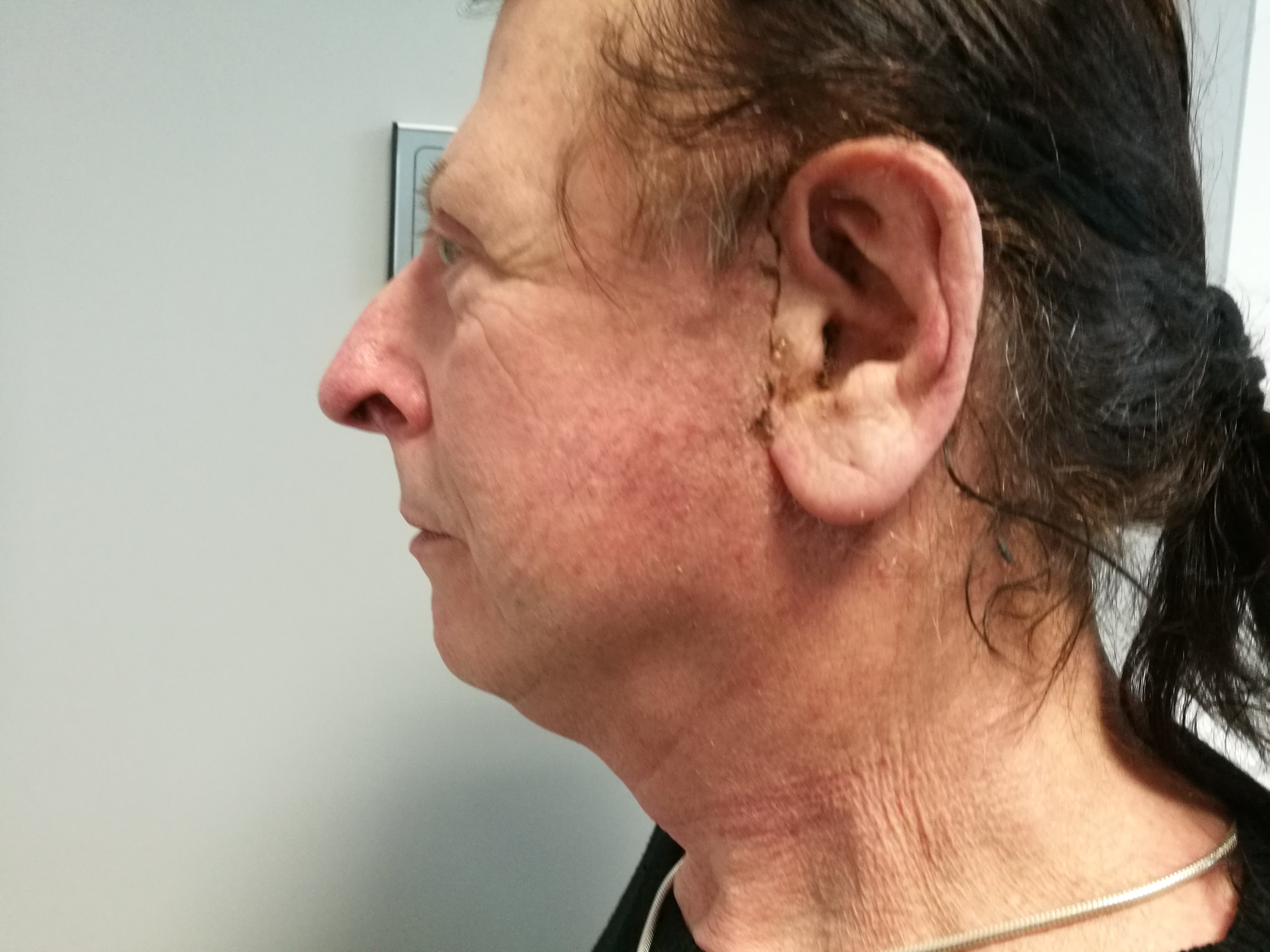
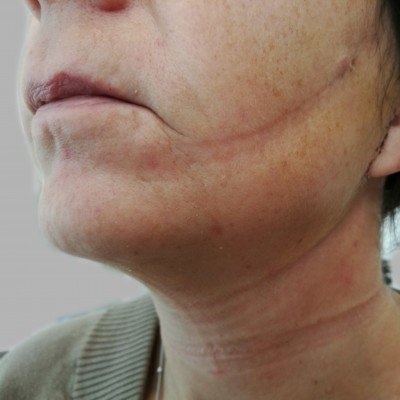
For a SMAS facelift, incisions are usually placed in the natural contours around the ear and extend into the hair-bearing areas. The surgeon carefully lifts and repositions the deeper facial tissues before redraping the skin and removing any excess.
The incisions are positioned to make the resulting scars as inconspicuous as possible. Sutures may be absorbable or non-absorbable, depending on the surgeon's technique.
A mini facelift uses a more limited approach, with shorter incisions and less extensive mobilisation of the tissues.