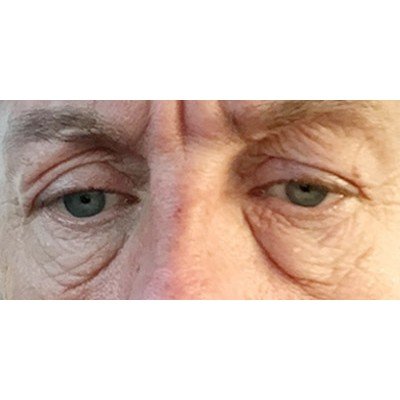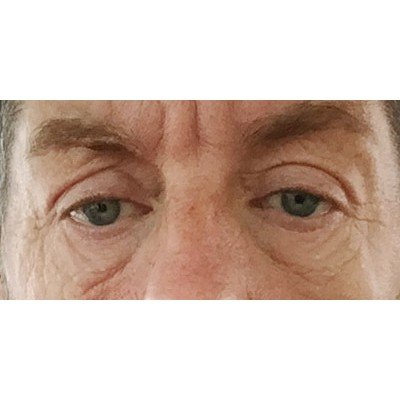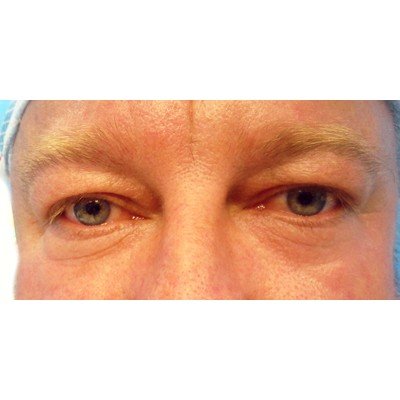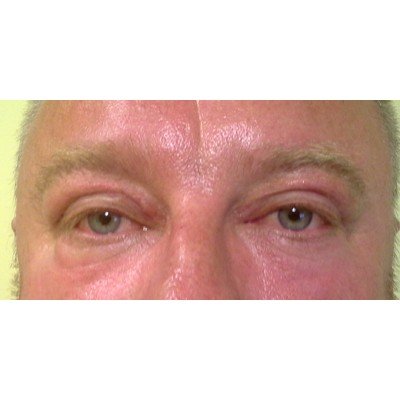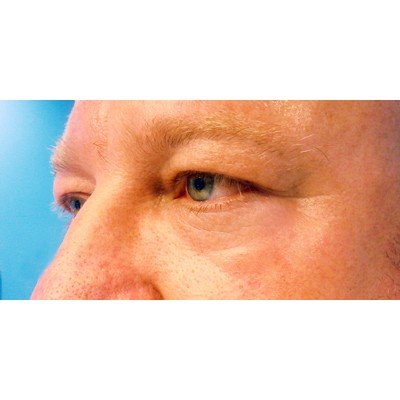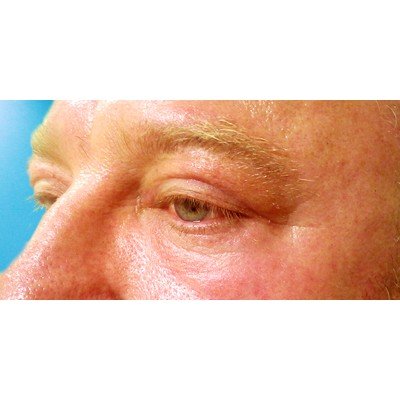
Who Is It For?
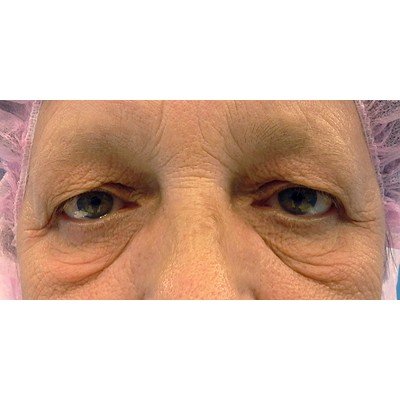
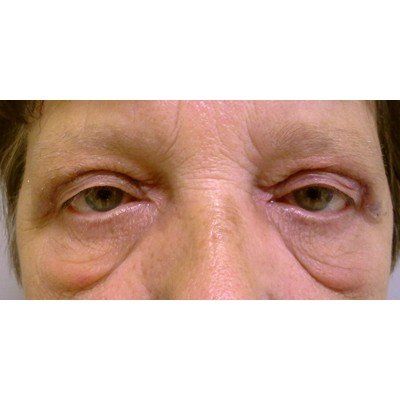
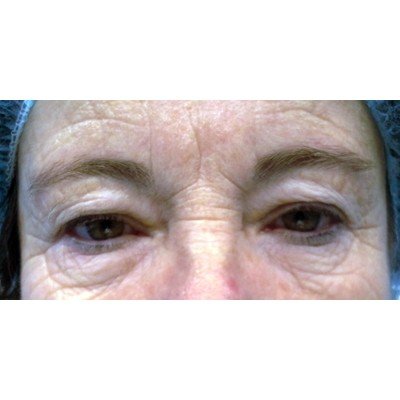
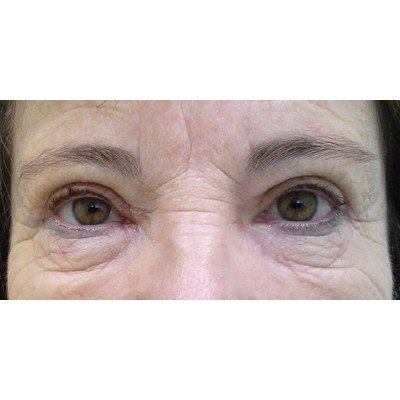
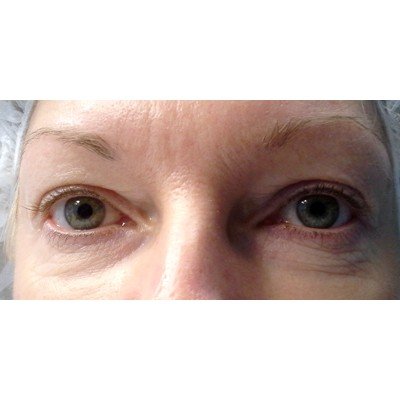
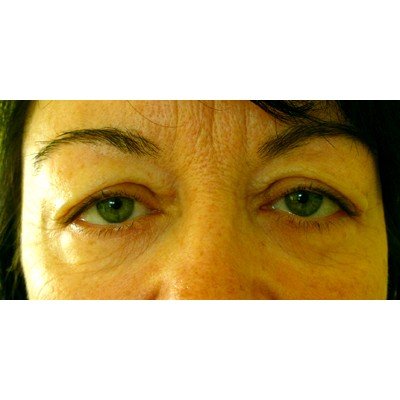
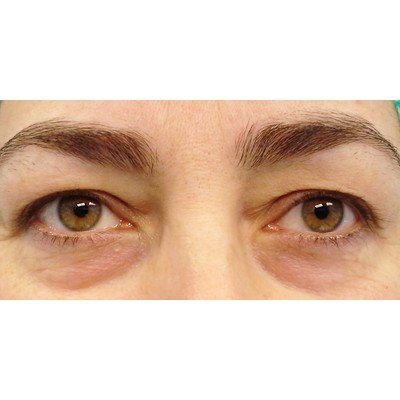
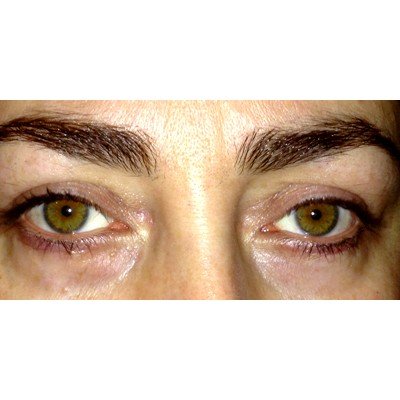
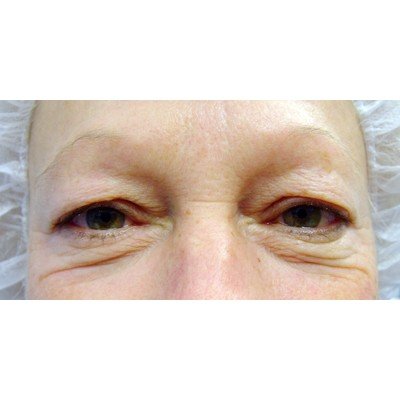
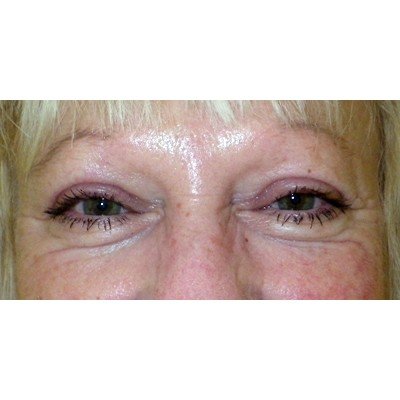
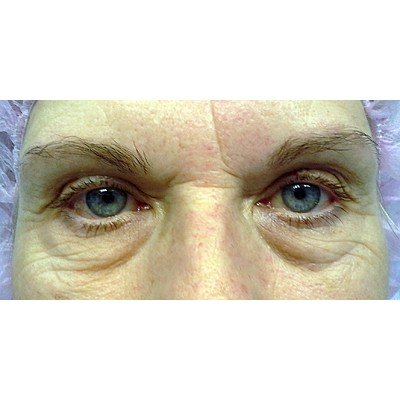
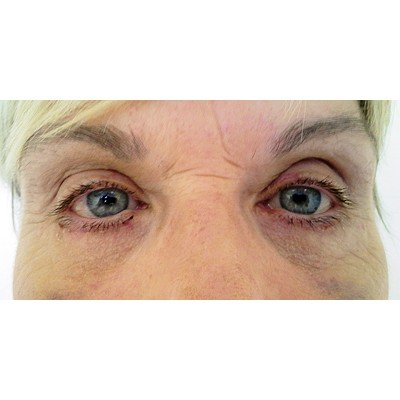
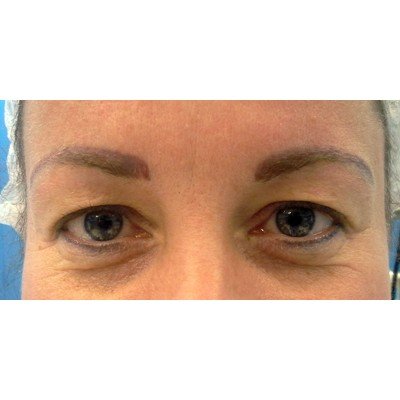
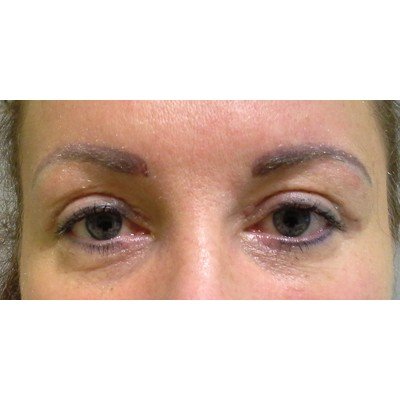
The skin around the eyes is thin and constantly moving, making it one of the first areas where signs of ageing become visible. Over time, excess skin, wrinkles and fat deposits can develop on the upper or lower eyelids, making the eyes look tired or the face appear older.
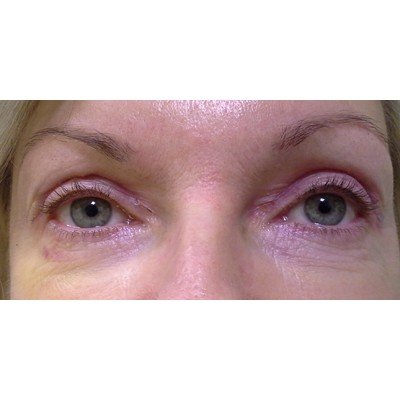
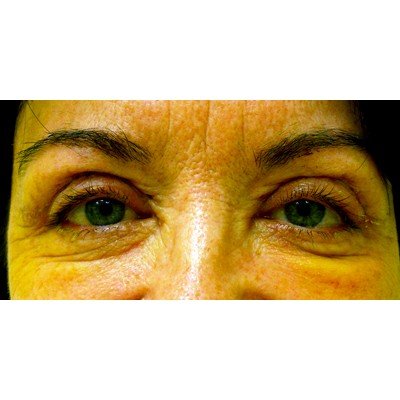
In some cases, excess skin on the upper eyelids can also interfere with the field of vision. Eyelid surgery, also known as blepharoplasty, can remove excess skin and fat to create a more refreshed and rested appearance.
Blepharoplasty can be performed on the upper eyelids, lower eyelids, or both. It can also be combined with other facial procedures, such as a facelift, depending on the patient's individual needs.
How Is It Done?
Eyelid surgery can involve the upper eyelids, lower eyelids, or both at the same time.
For upper eyelid surgery, the incision is placed in the natural crease of the eyelid, where the resulting scar is usually well concealed. For lower eyelid surgery, the incision is typically made just below the lower lash line.
During the procedure, the surgeon removes excess skin and, when necessary, excess fat. The exact technique depends on the patient's anatomy and the desired result.
Surgery
Eyelid surgery is usually performed under local anaesthesia. Intravenous sedation can also be arranged for patients who prefer to be more relaxed or asleep during the procedure.
The operation usually takes around one hour, depending on whether the upper, lower or both eyelids are treated. Fine non-dissolvable stitches are generally used and are removed approximately 7–10 days after surgery.