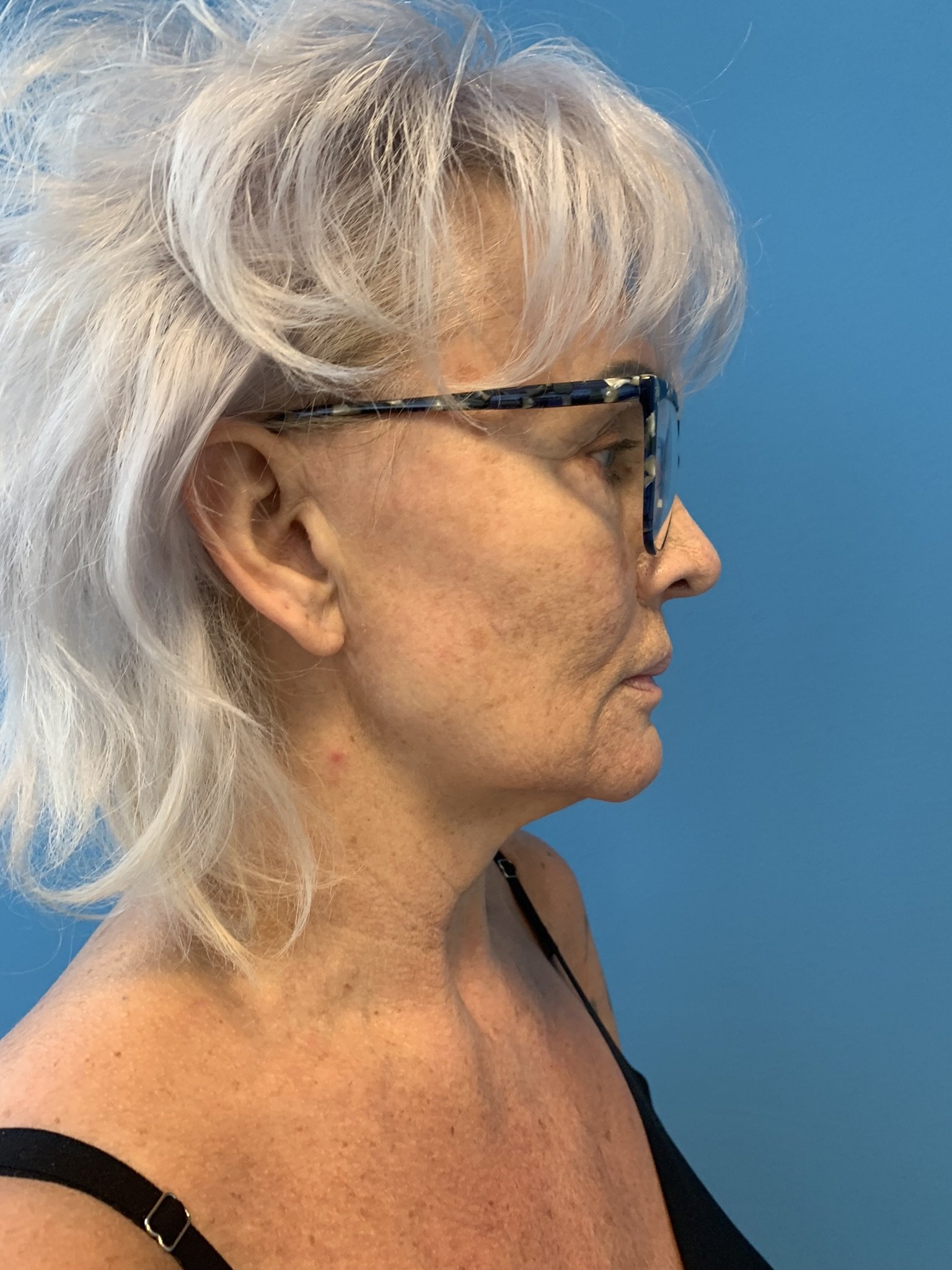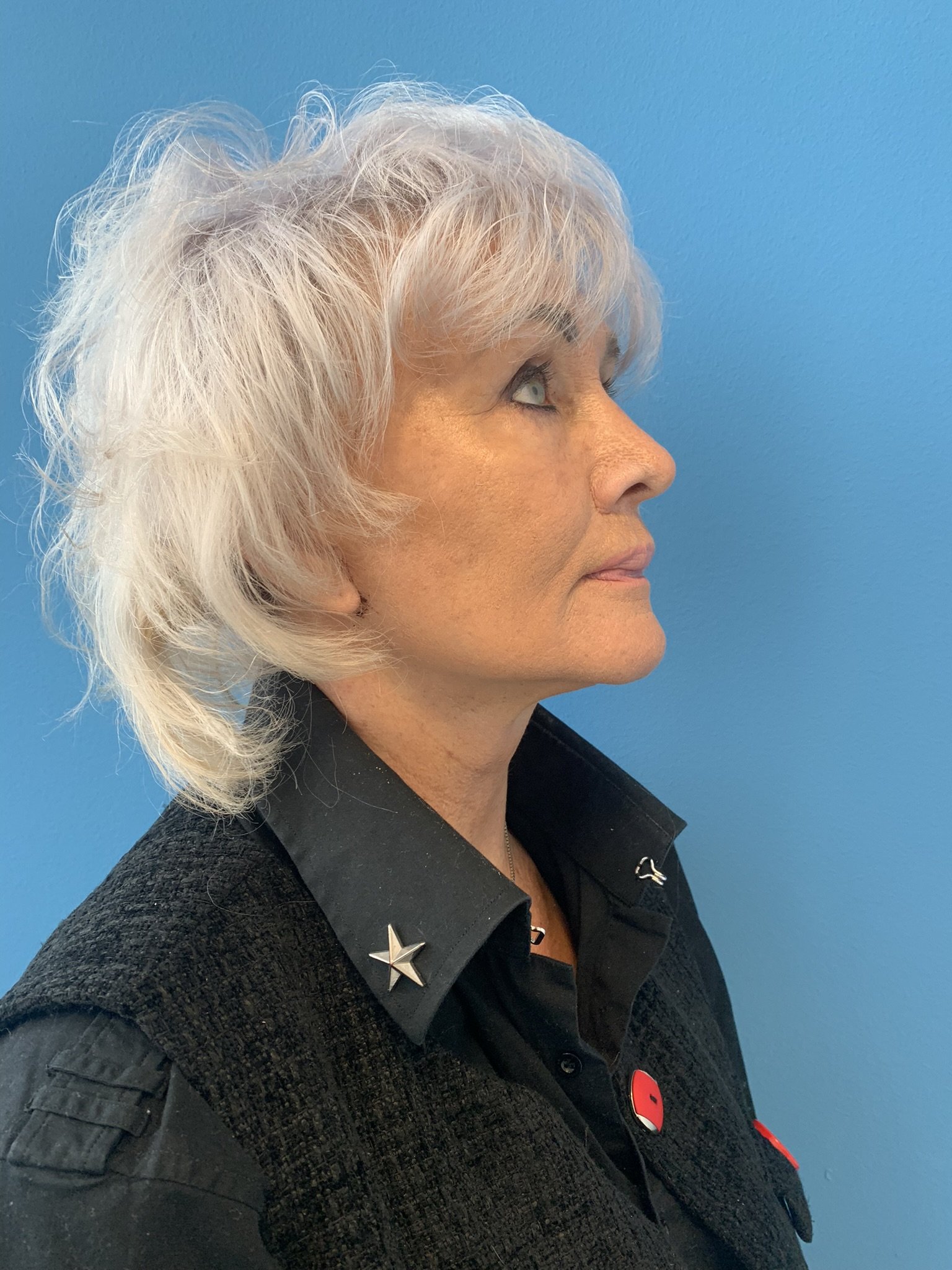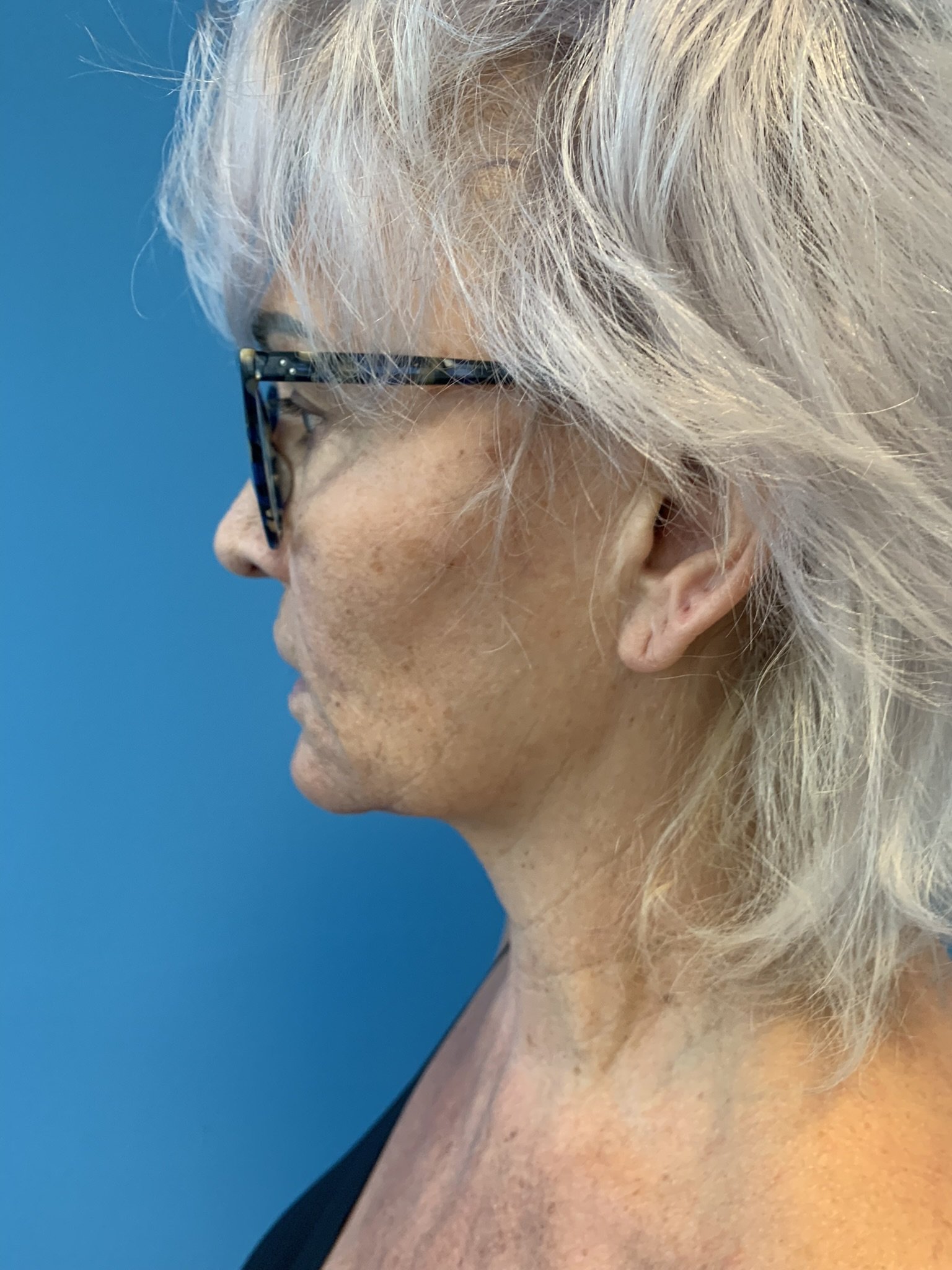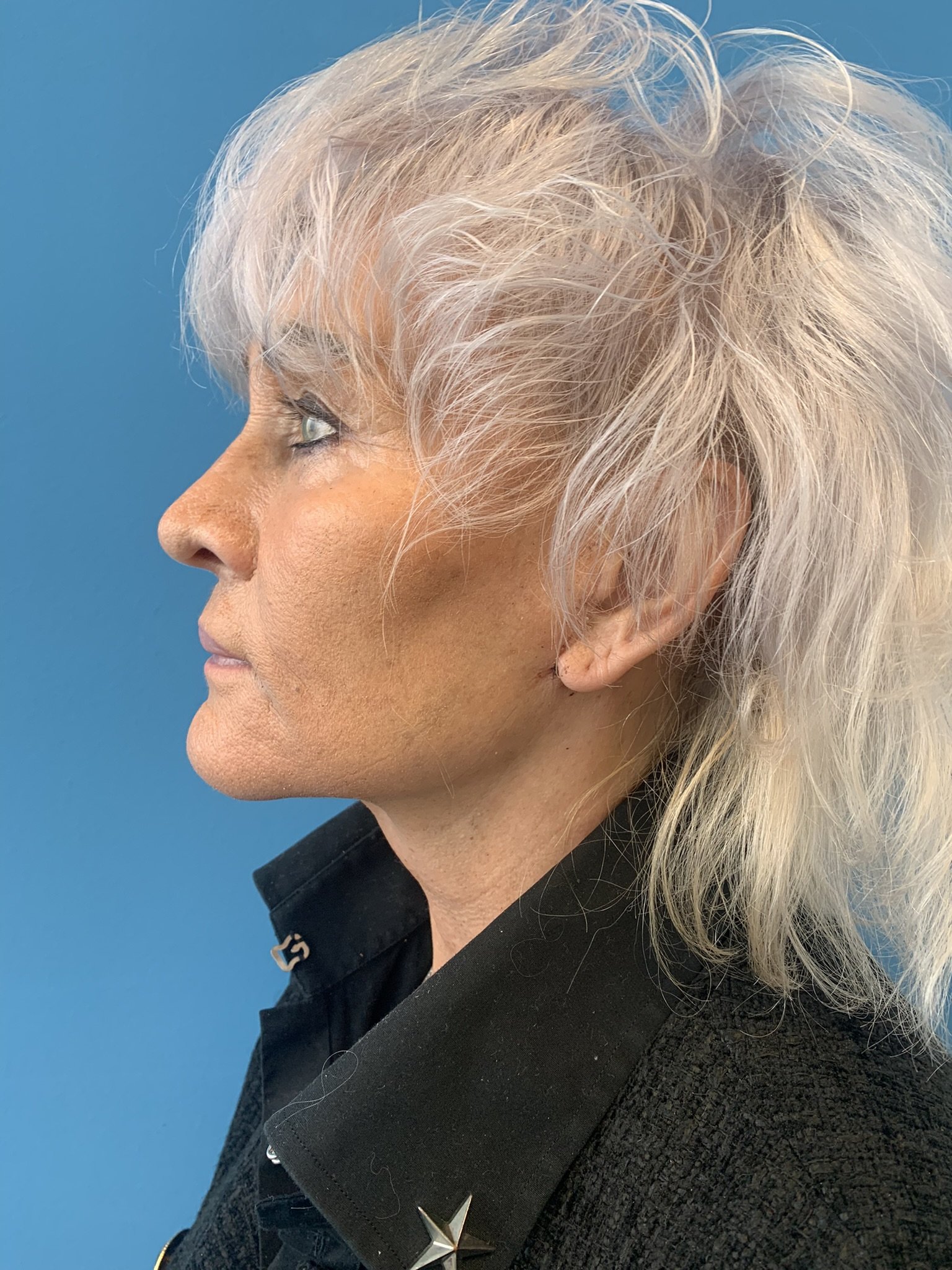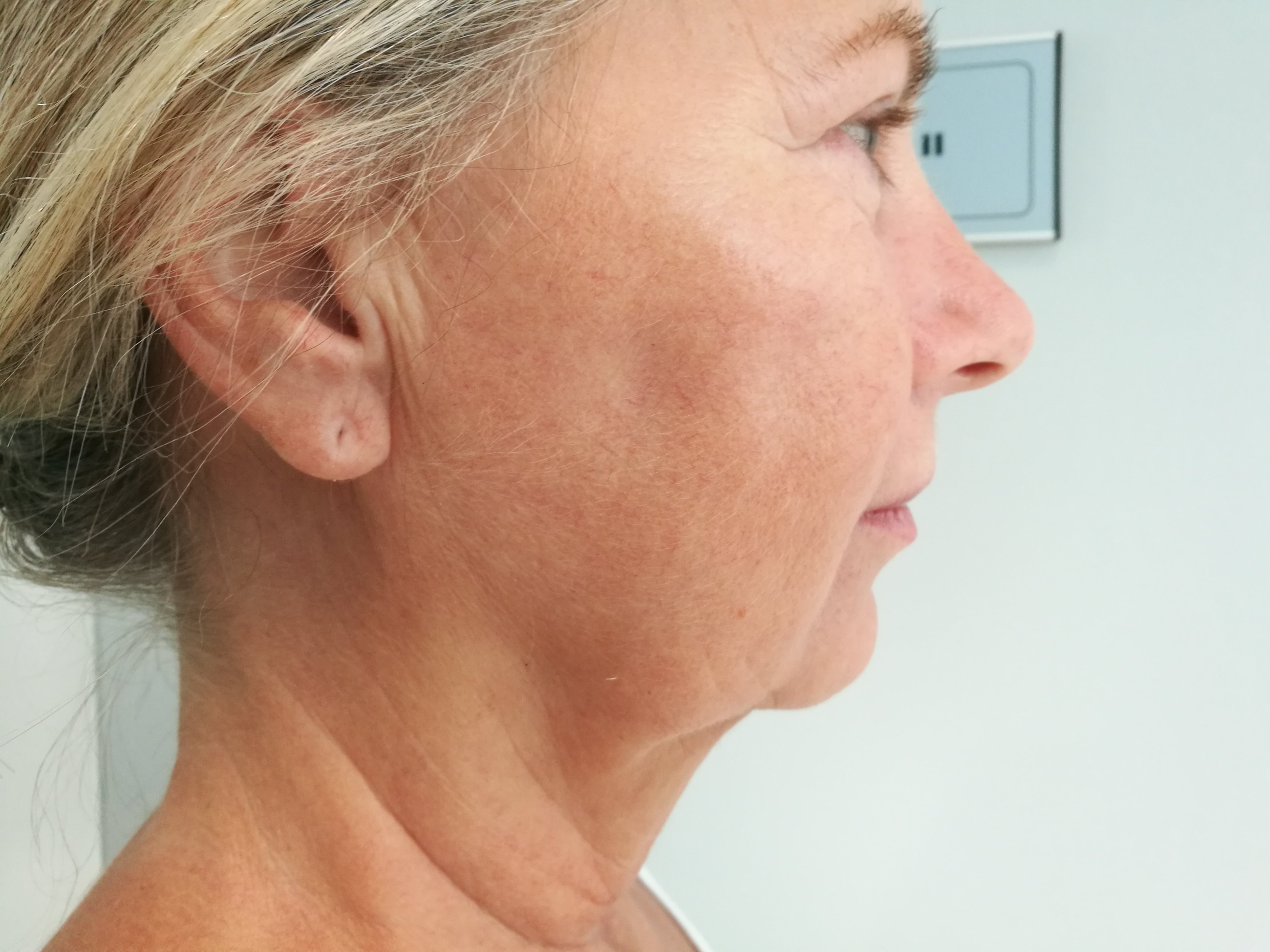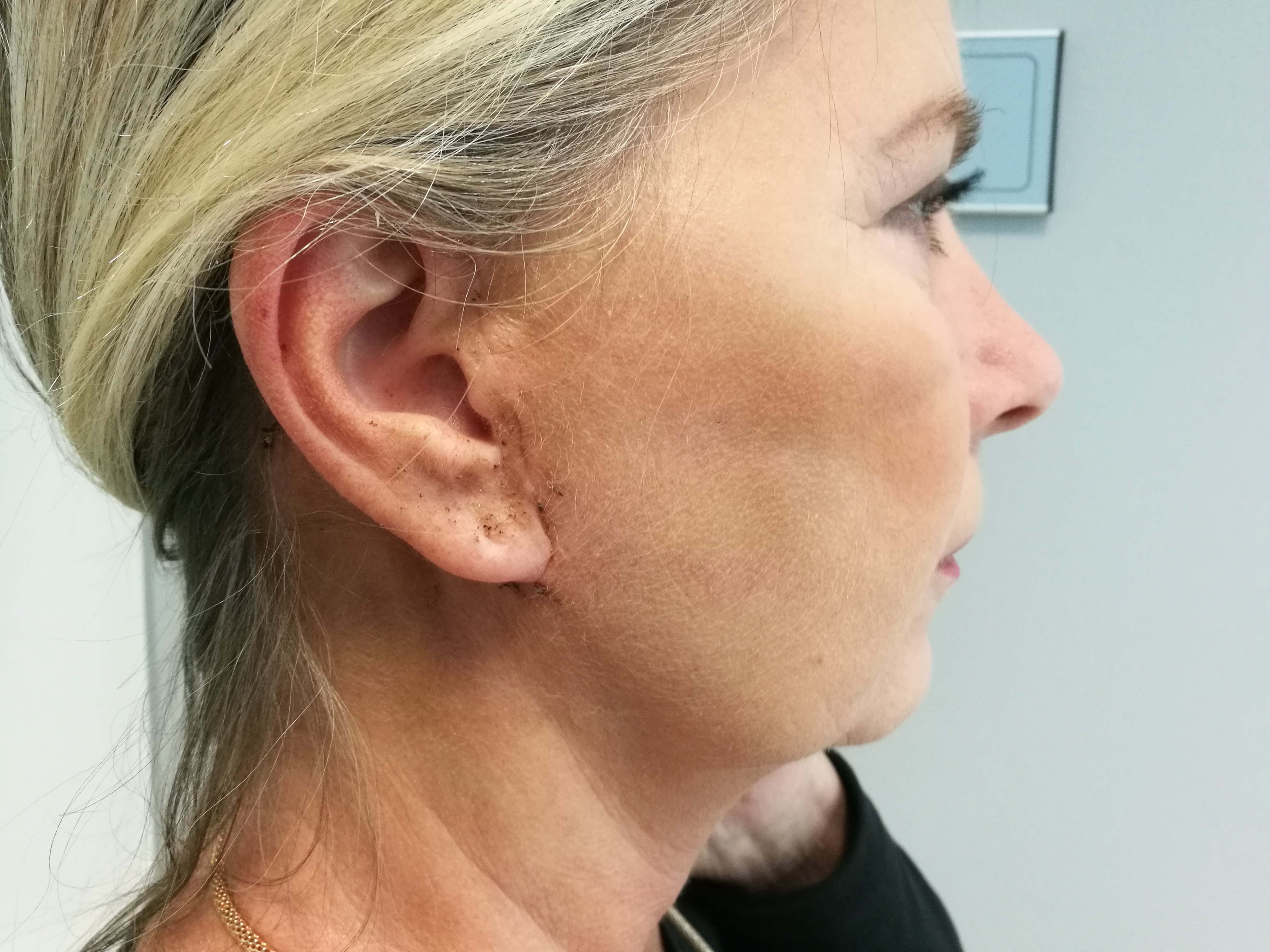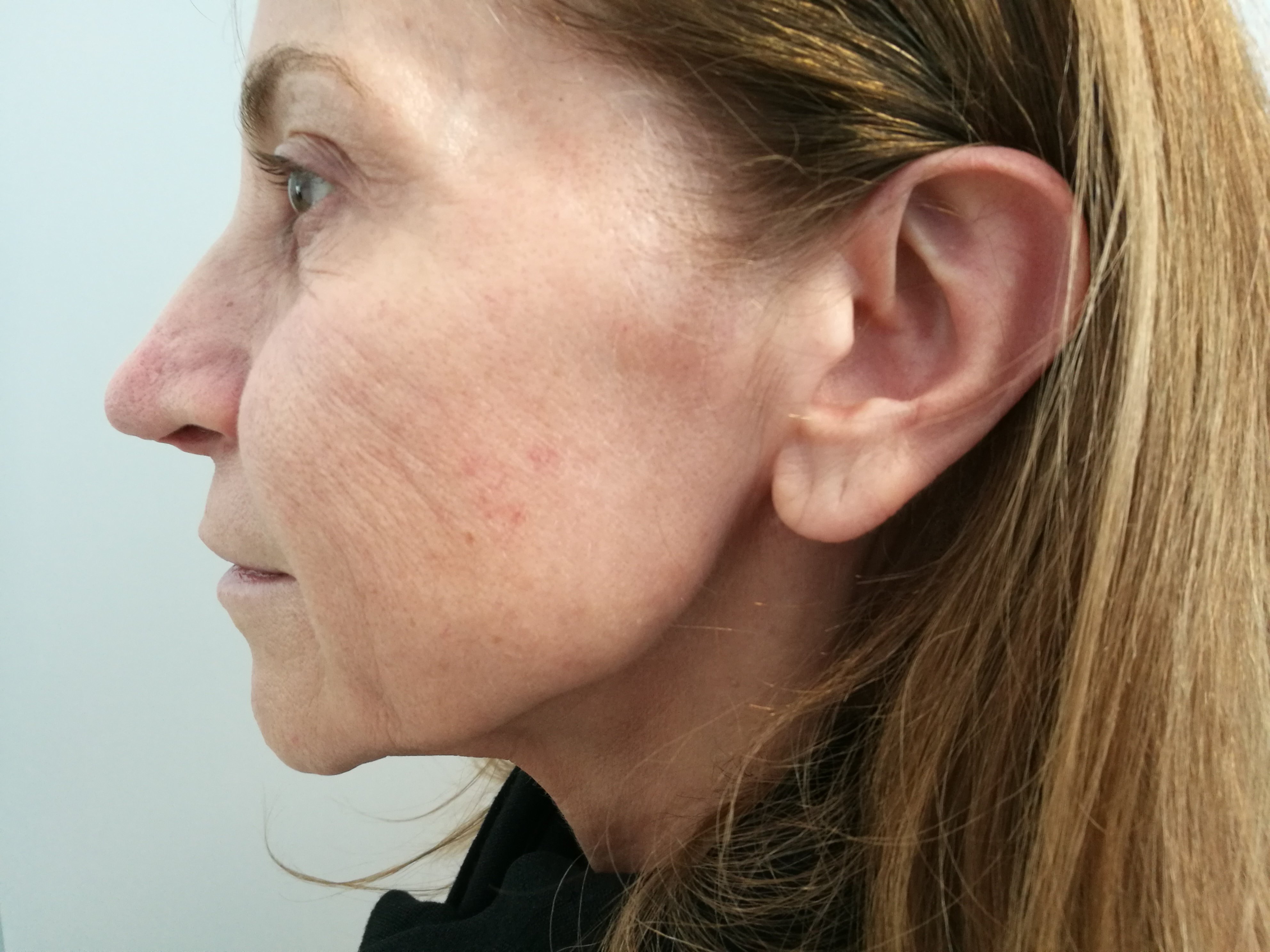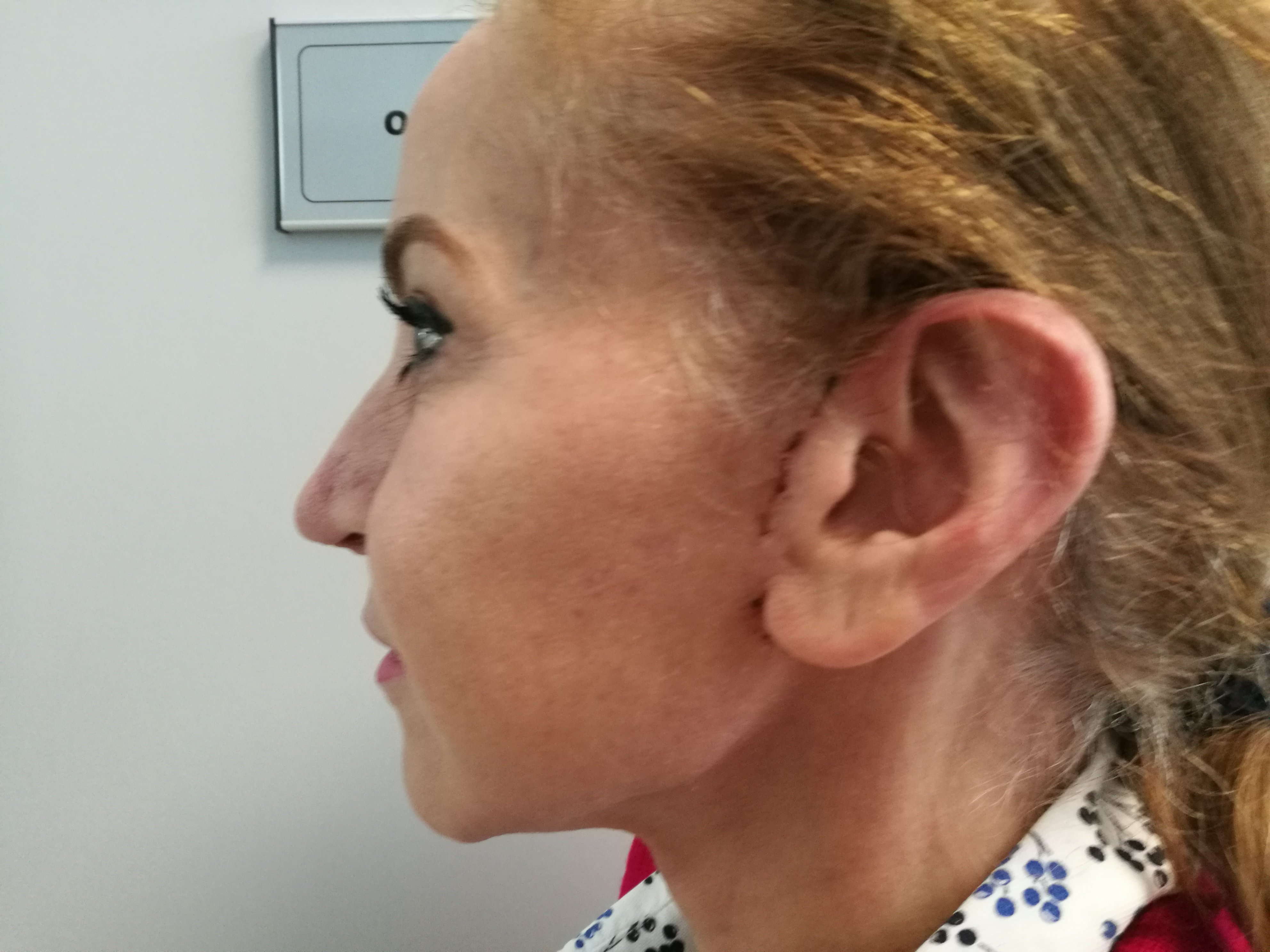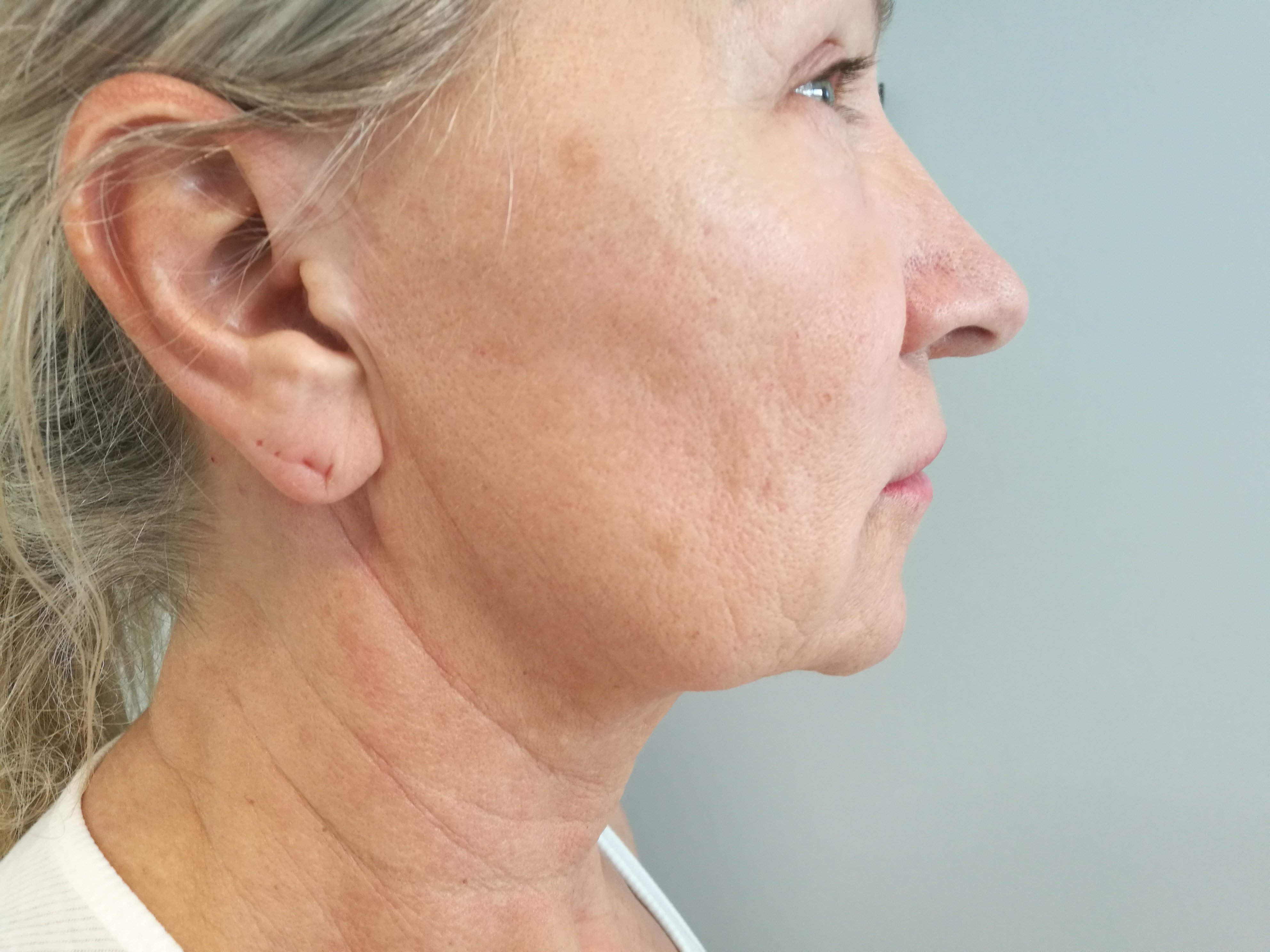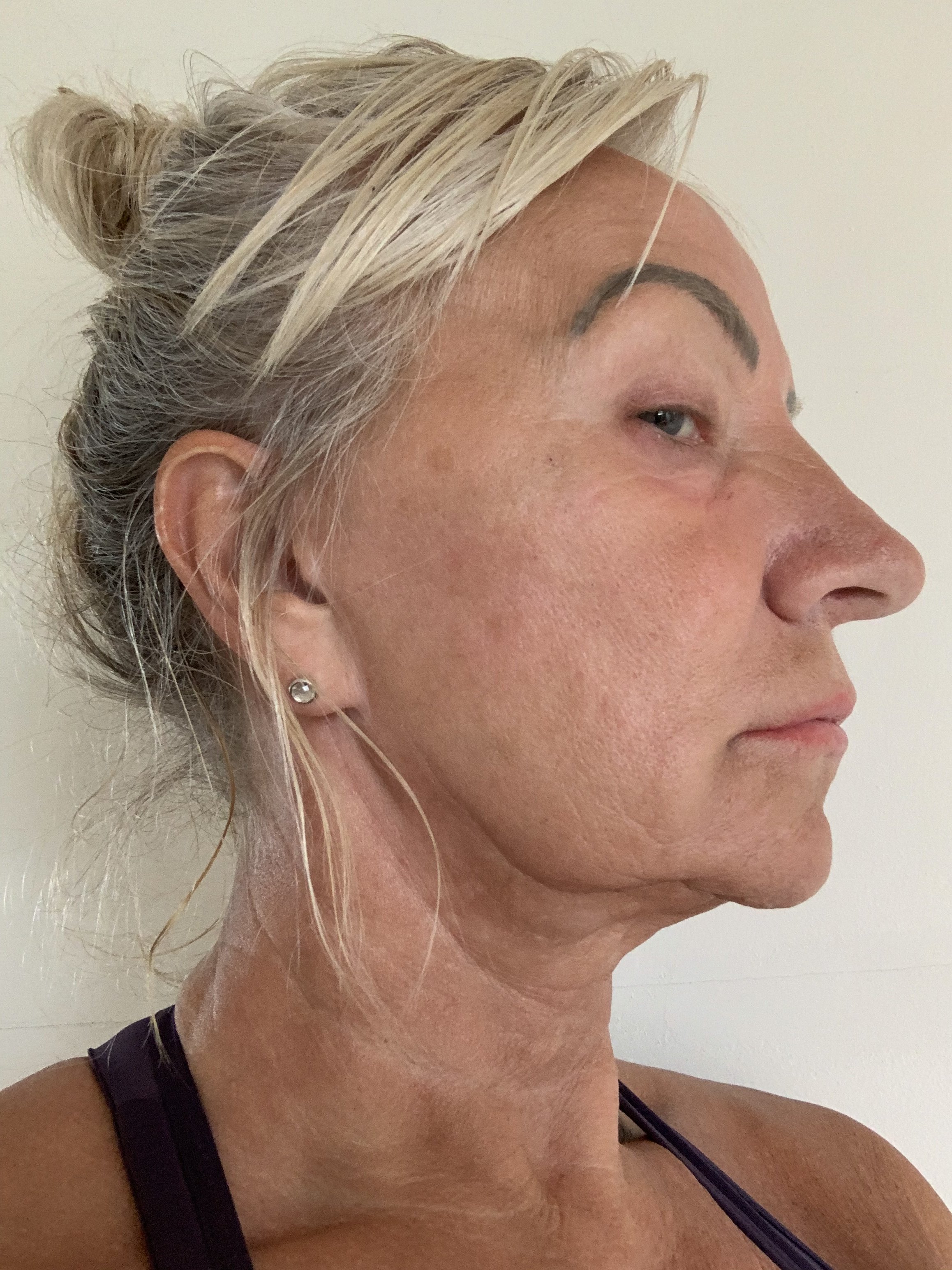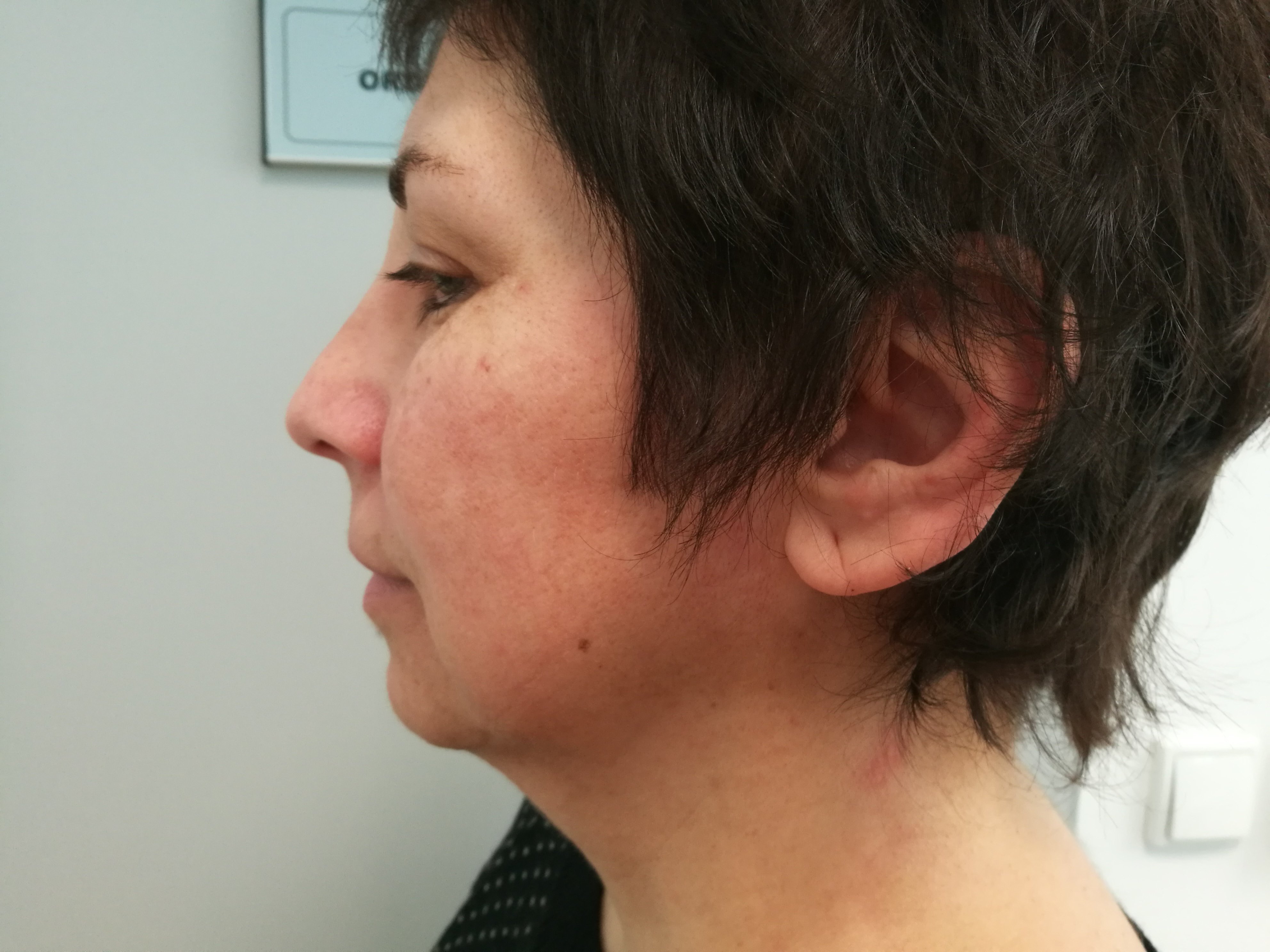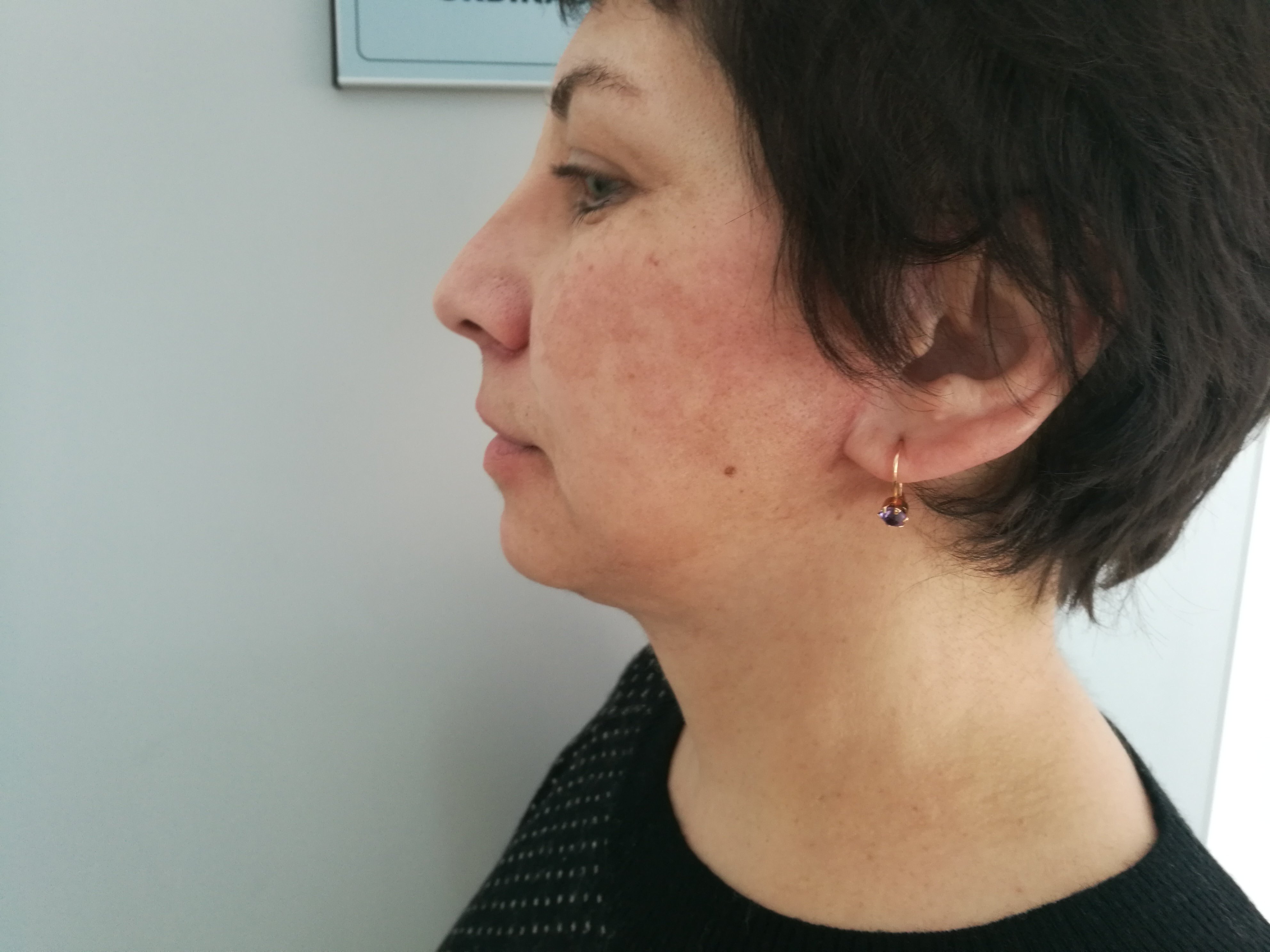
A defined jawline and a smooth transition between the face and neck can have a significant impact on the overall appearance. Genetics, ageing, weight fluctuations or localised fat deposits can contribute to jowls, loose skin and an undefined jawline.
A neck lift can tighten loose tissues, improve the contour of the neck and jawline, and create a firmer, more youthful appearance. When needed, the procedure can be combined with liposuction to remove localised fat deposits under the chin or along the jawline.
Who Is It For?
Neck lift surgery is suitable for women and men who are unhappy with loose or sagging skin around the neck, jowls or a poorly defined jawline.
The appearance of the neck can be affected by:
- ageing and loss of skin elasticity
- genetic predisposition
- localised fat deposits under the chin
- loose platysma muscles
- significant weight loss or weight fluctuations
For younger patients, the main concern may be excess fat or an undefined jawline. With age, loose skin and weakening of the underlying neck muscles can also become more prominent.
Your surgeon will assess your skin quality, muscle tone and the amount of excess fat to determine whether a neck lift alone or a combination with liposuction would provide the best result.
How Is It Done?
The procedure is performed through a small incision hidden in the natural crease beneath the chin. Depending on the individual anatomy and the extent of correction required, the surgeon tightens the underlying tissues and platysma muscle and removes excess fat and, when necessary, excess skin.
If there is a localised fat deposit under the chin or along the jawline, minor liposuction can be performed during the same procedure to further improve the contour.
In some cases, a neck lift may be recommended as a standalone procedure. For patients with more extensive signs of facial ageing, it can also be combined with a facelift.
Surgery
Neck lift surgery usually takes approximately one hour, depending on the extent of the procedure and whether liposuction or another procedure is performed at the same time.
The operation is normally performed under general anaesthesia. Intravenous sedation may also be available in selected cases, allowing you to remain comfortable and asleep during the procedure.
Your surgeon and anaesthetist will recommend the most appropriate option for you during your consultation.
After Surgery
You will normally stay overnight at the clinic following the operation.
Immediately after surgery, a compression bandage or garment is applied to support the treated area and minimise swelling. The compression garment is usually worn continuously for approximately one week, followed by wearing it at night for a further three weeks, according to your surgeon's instructions.