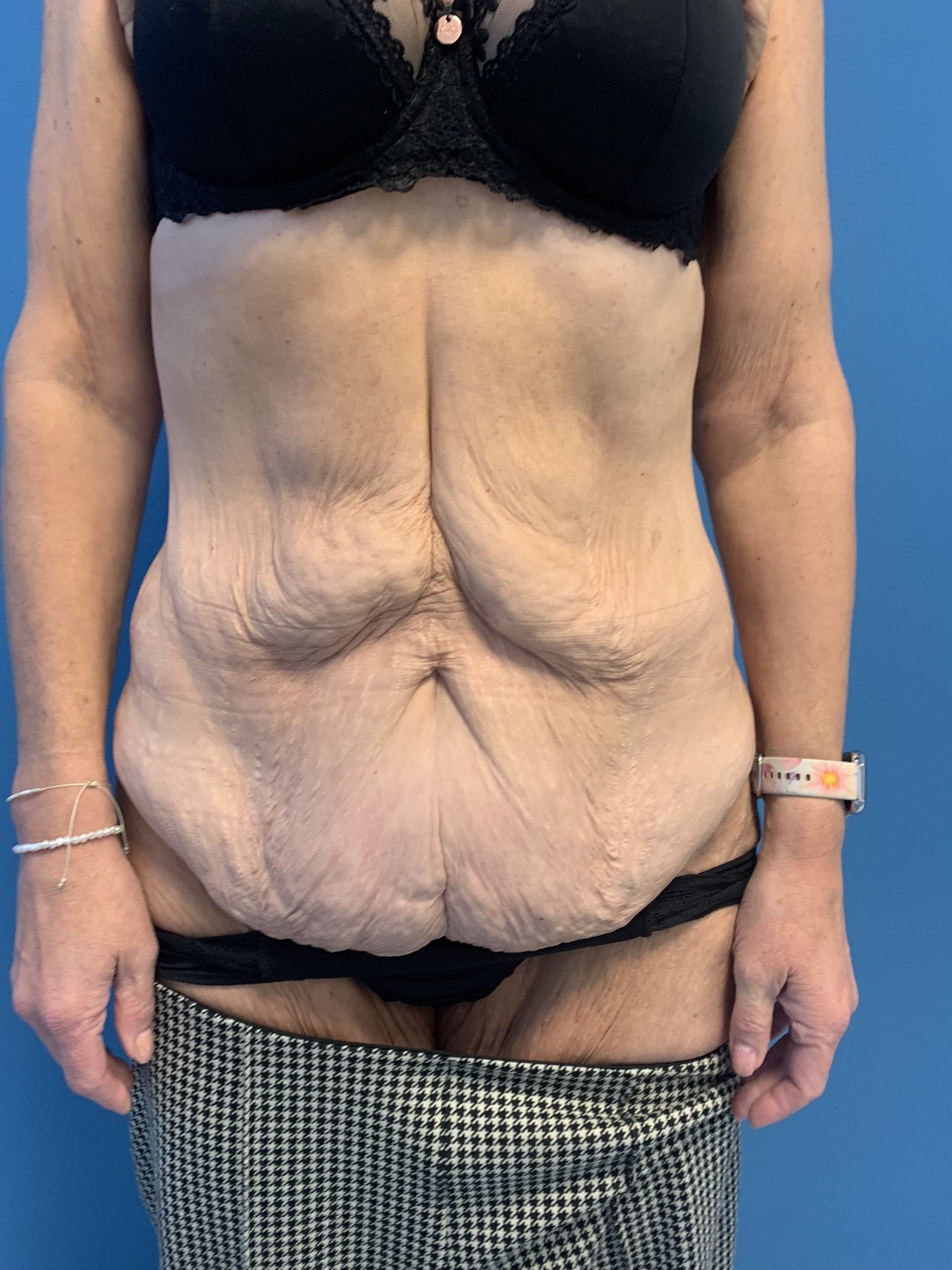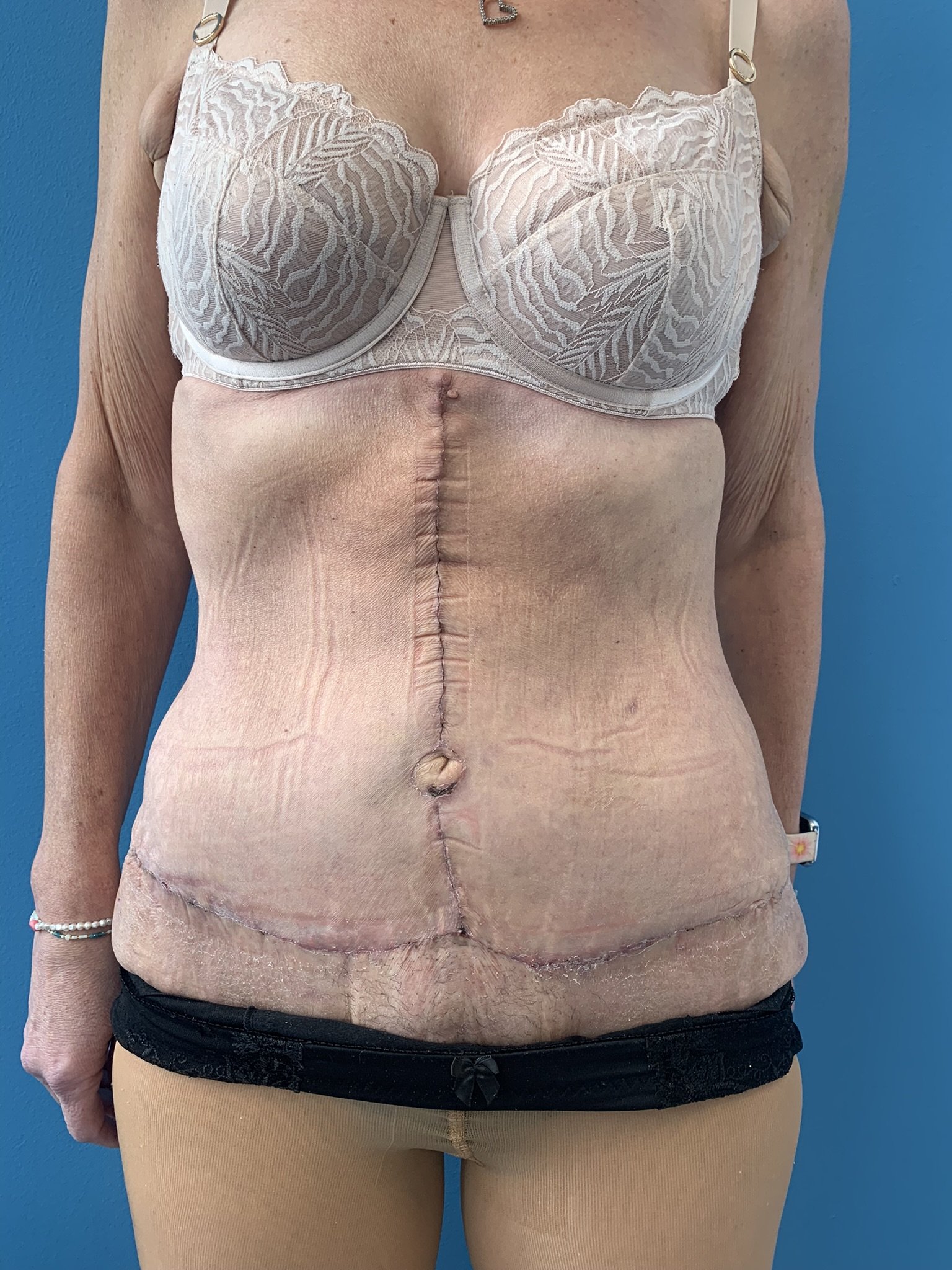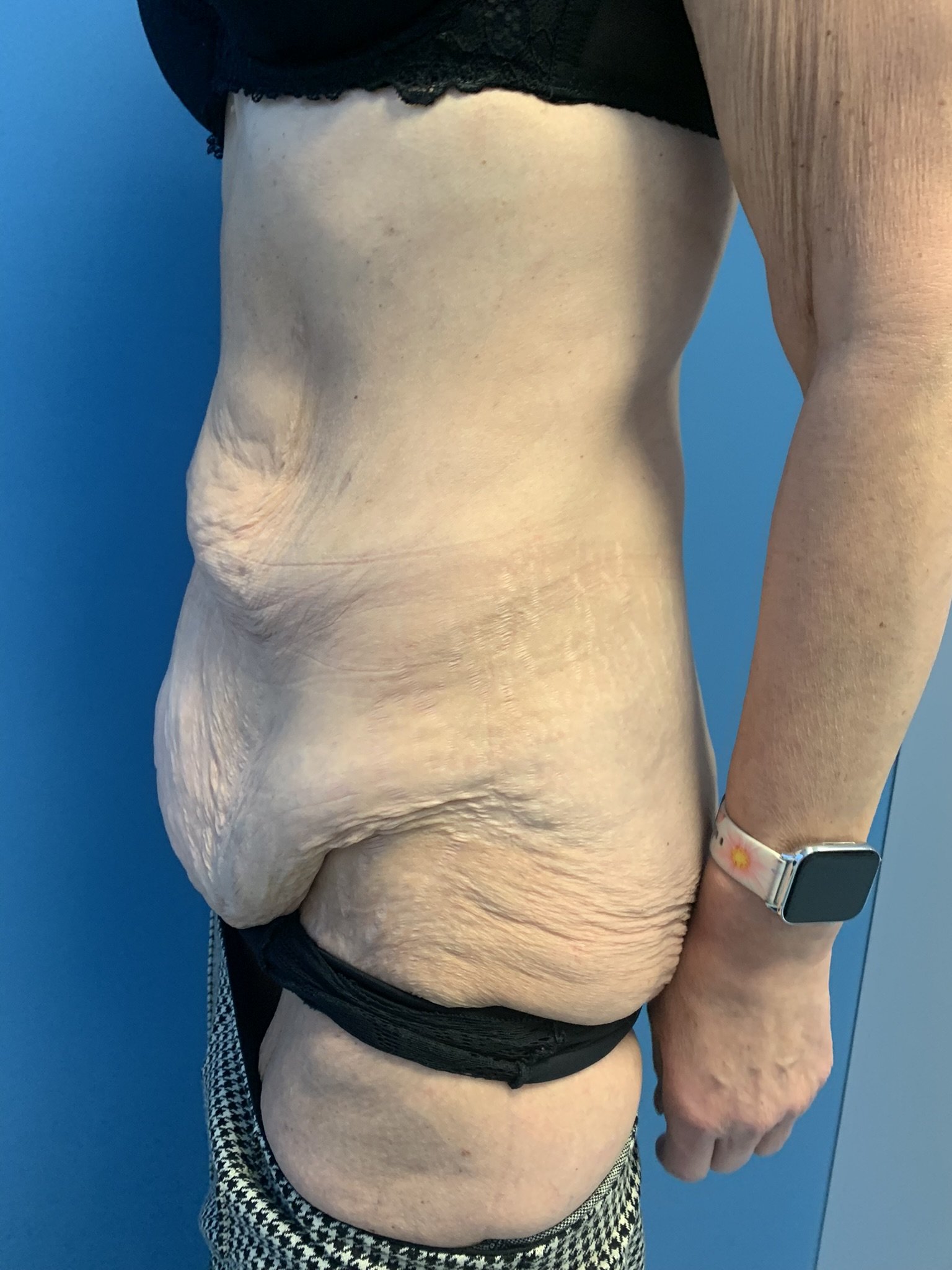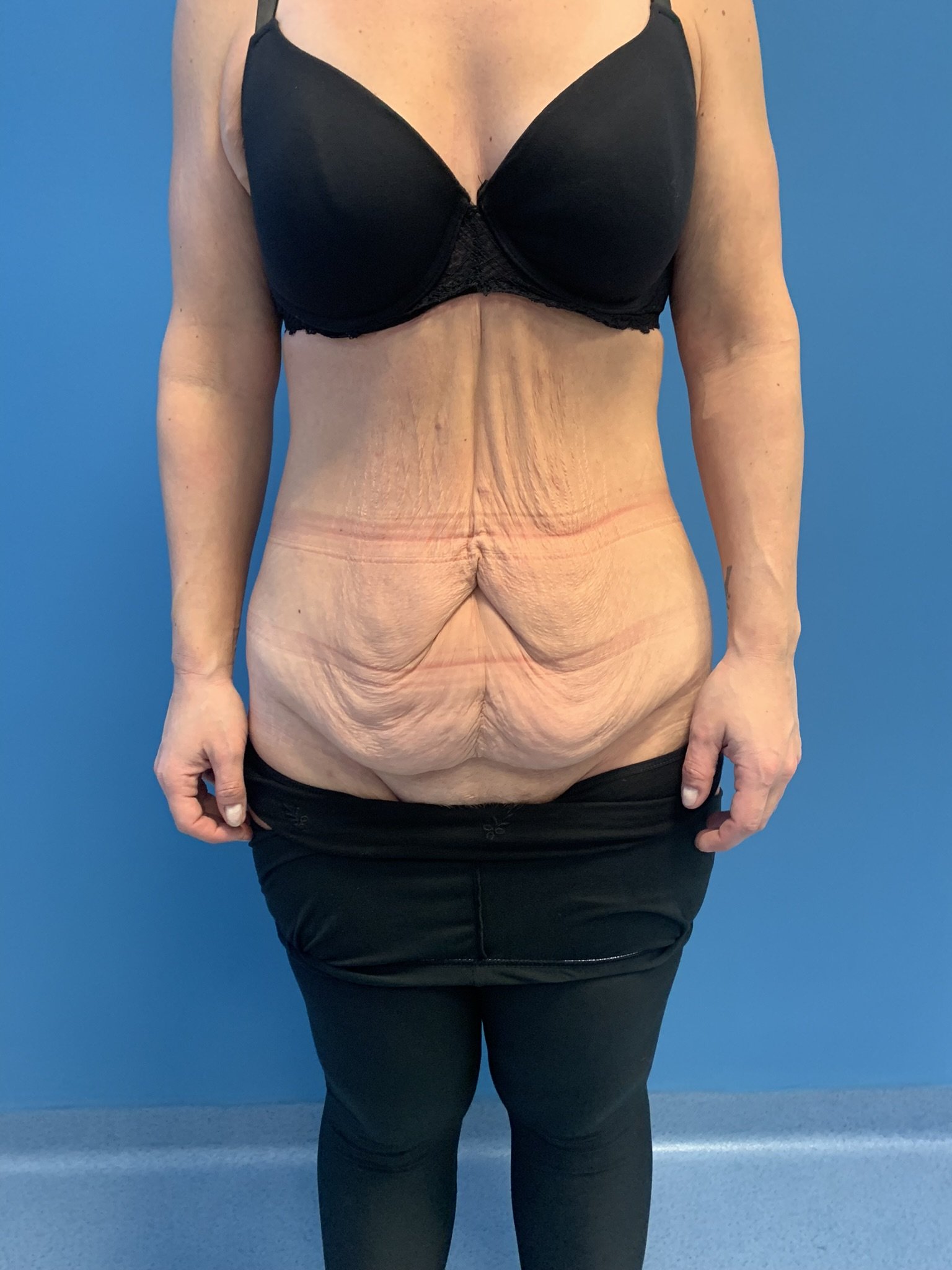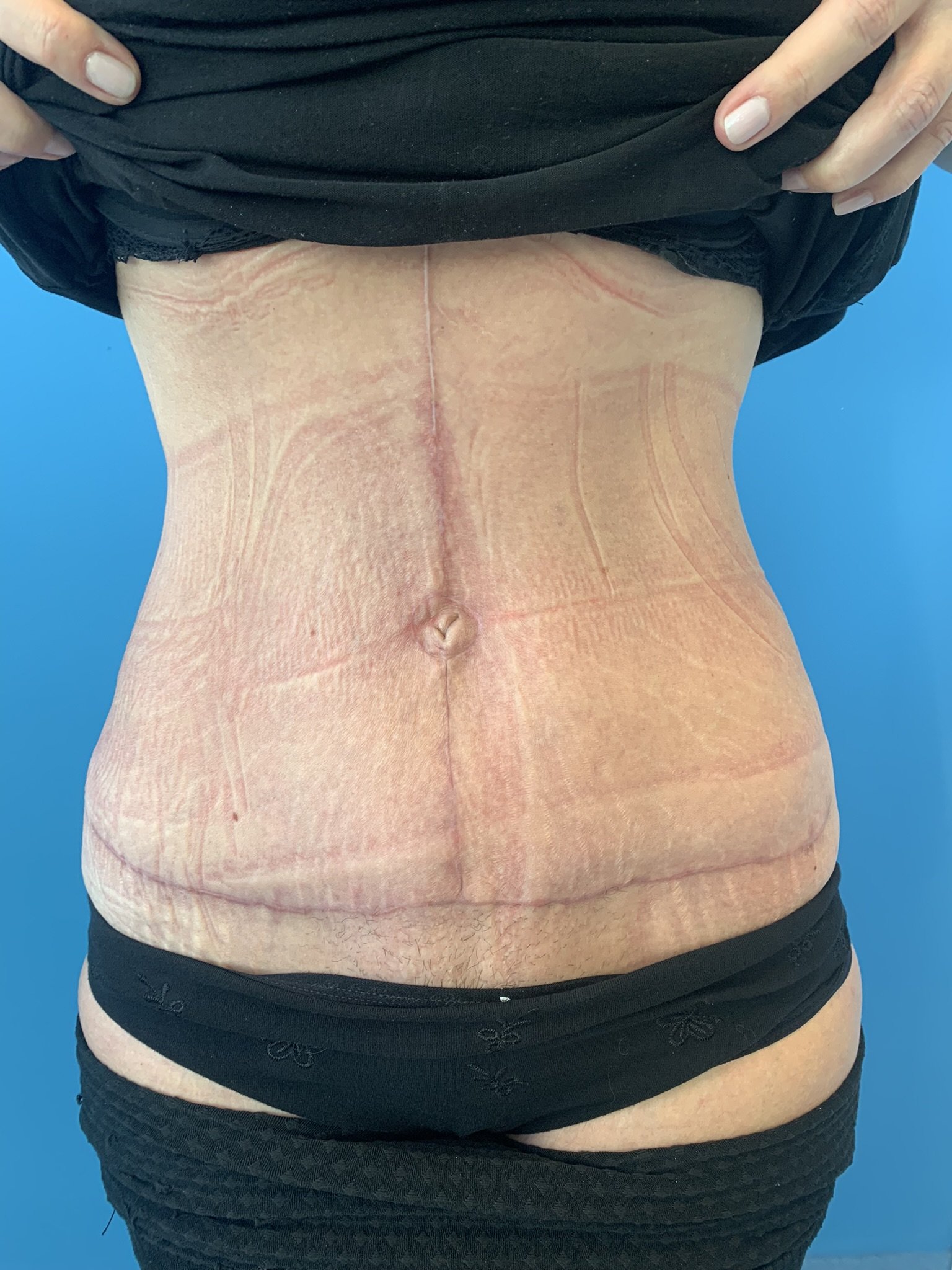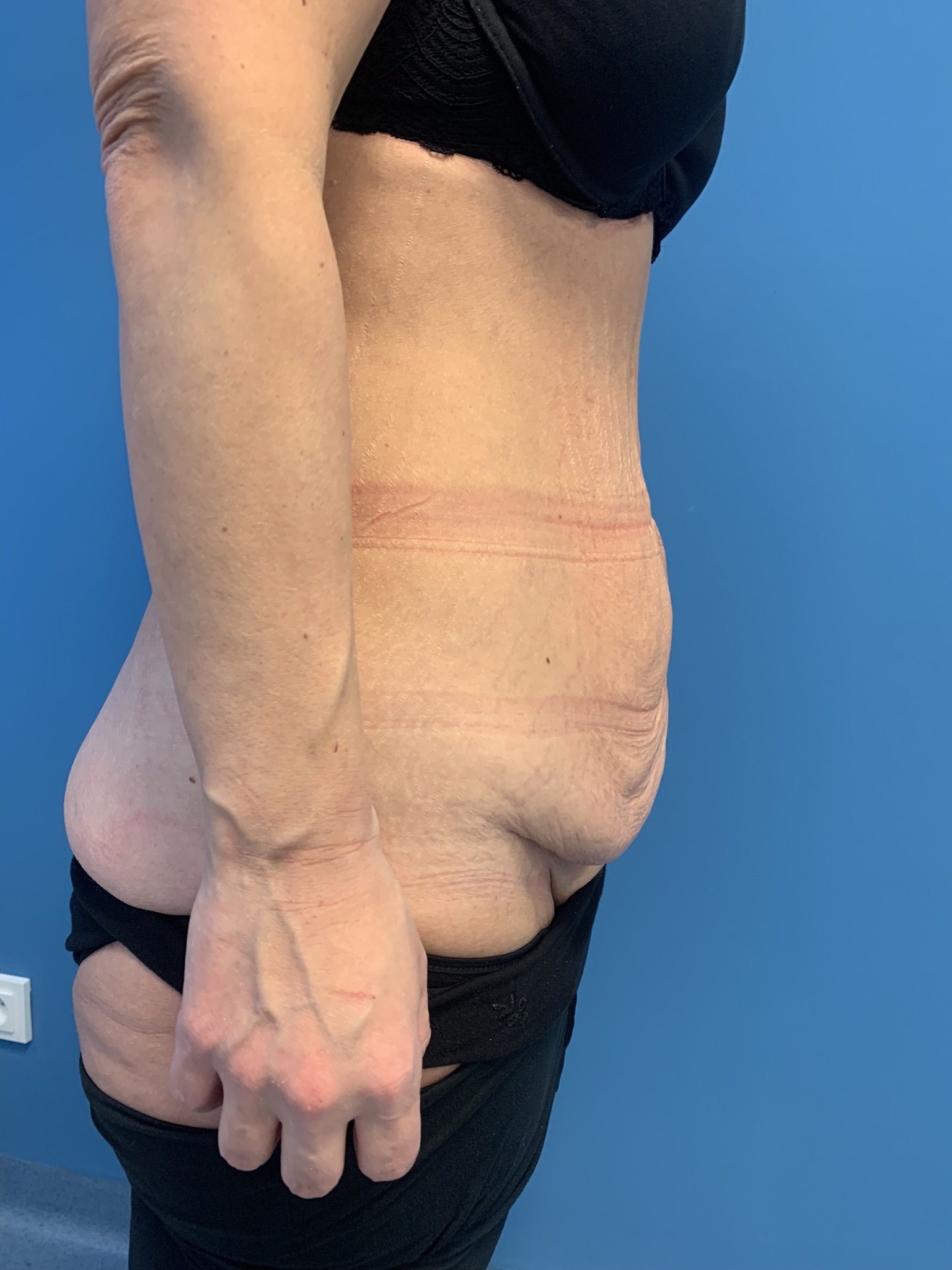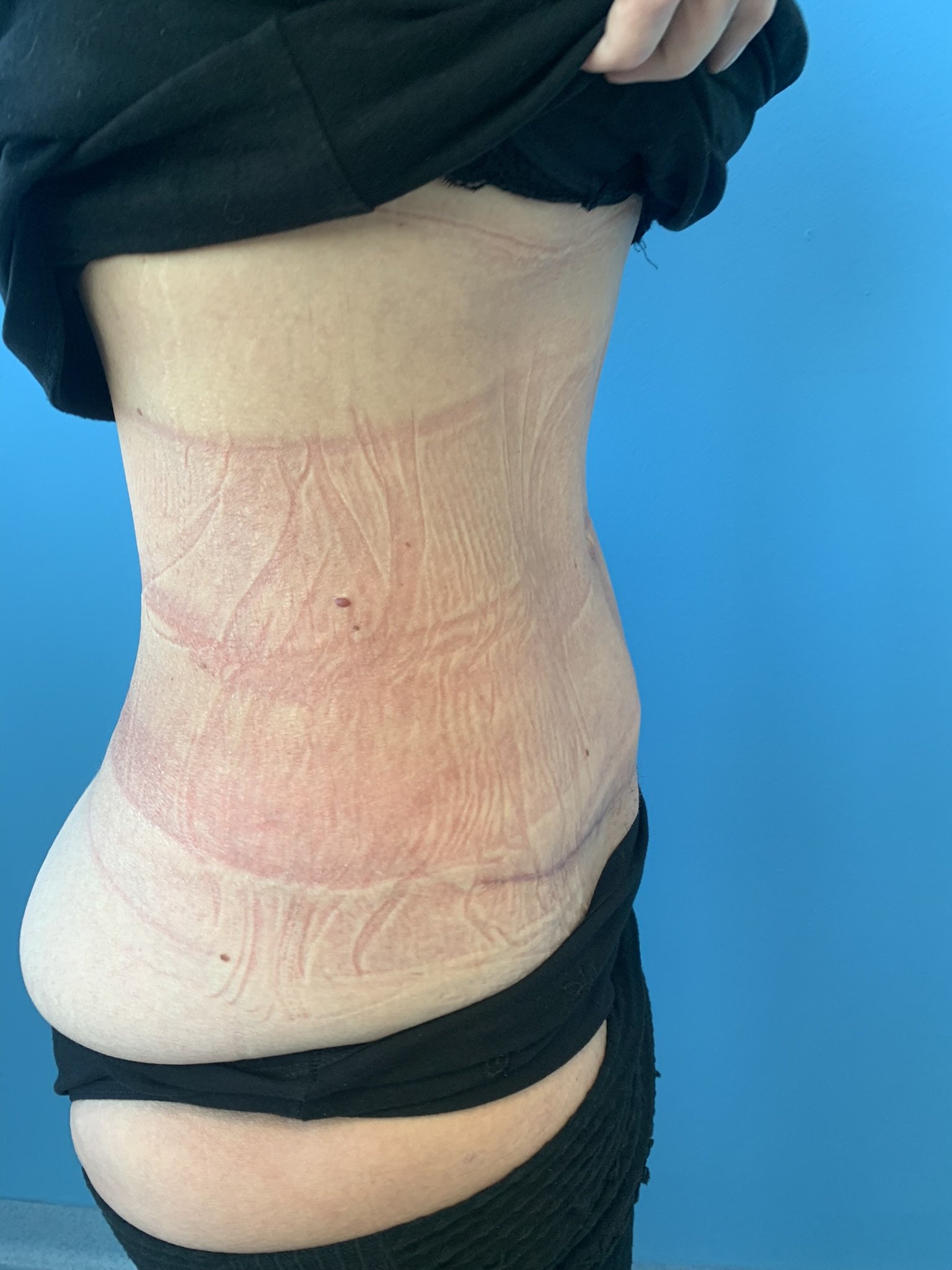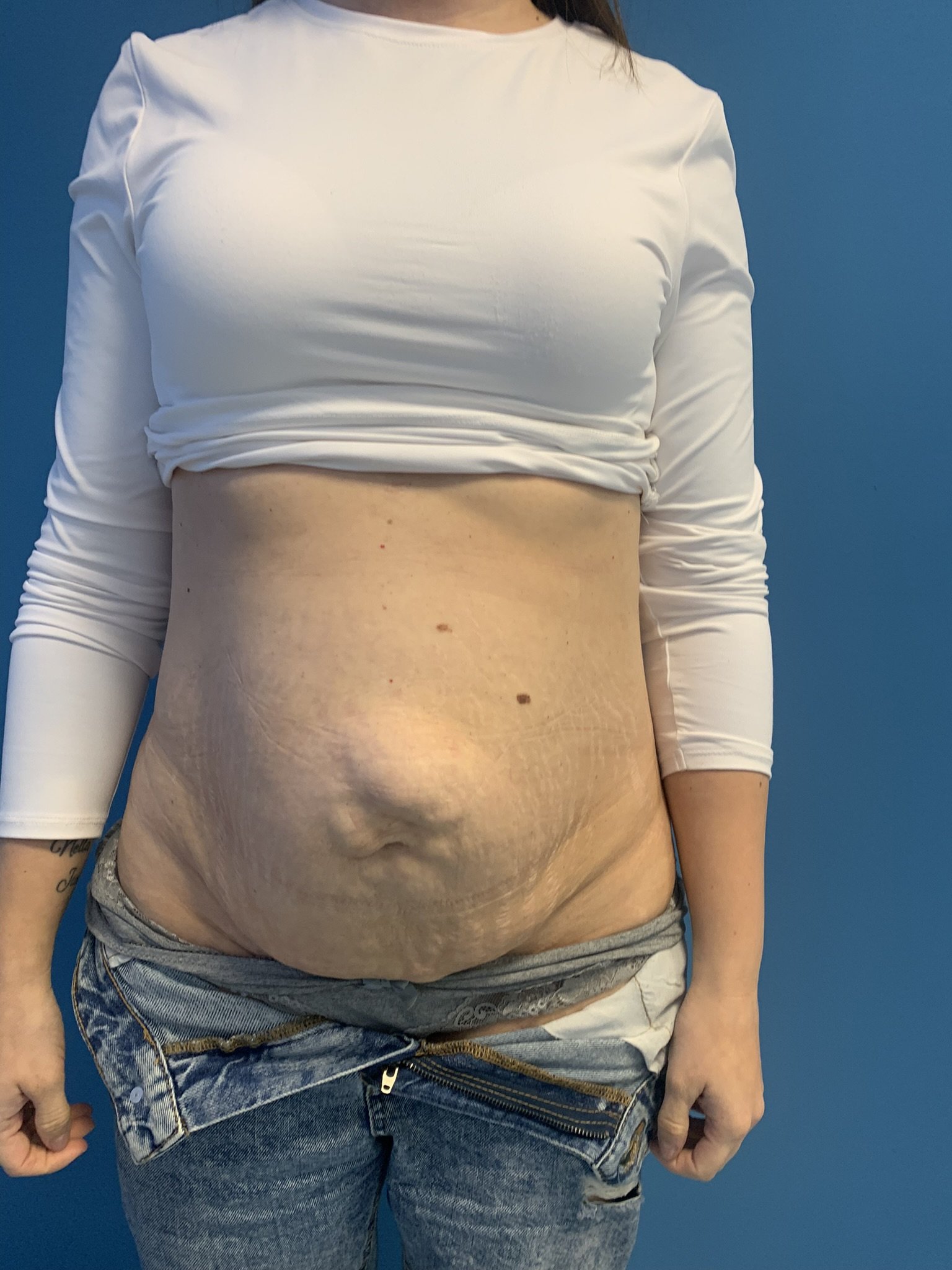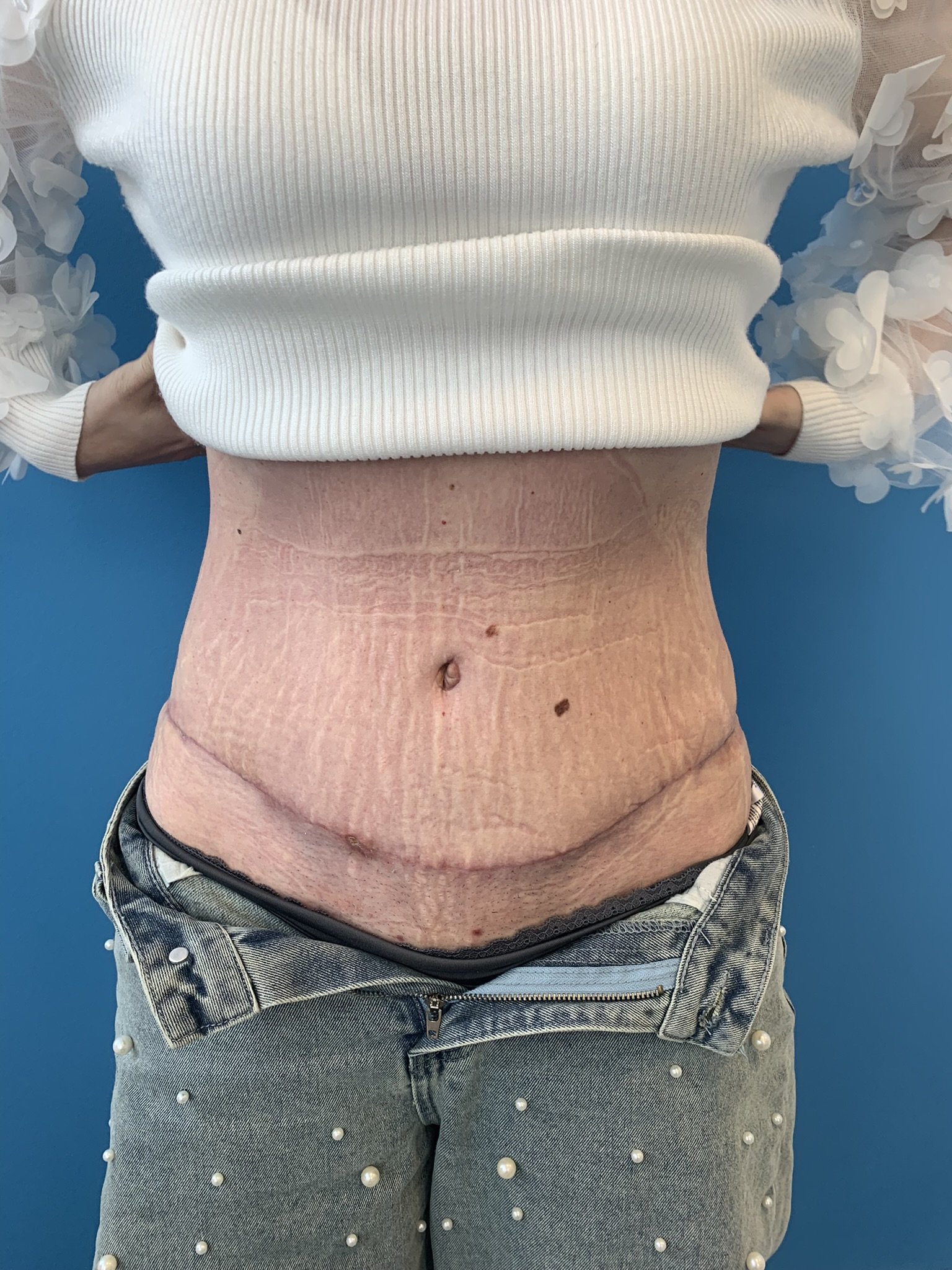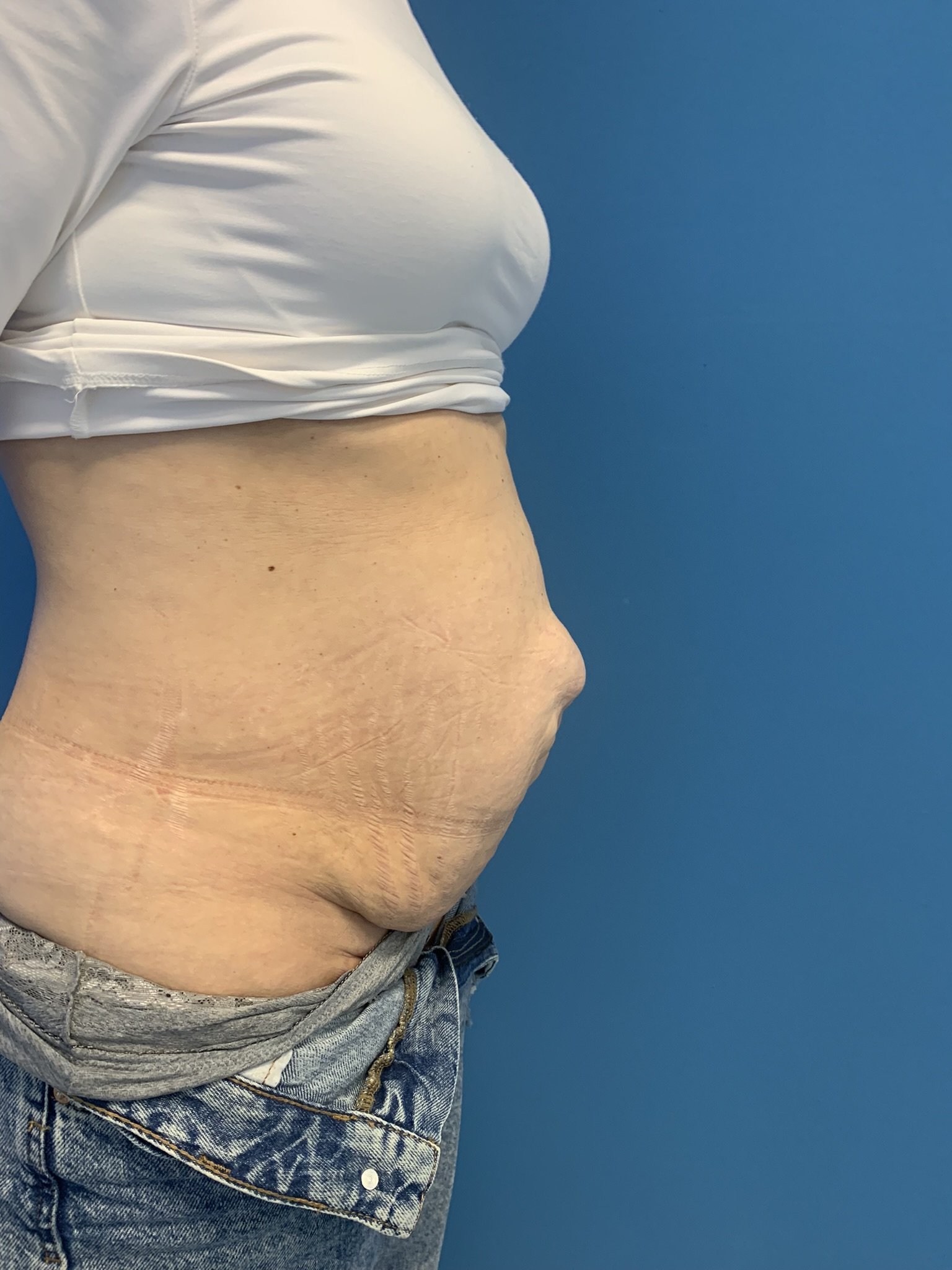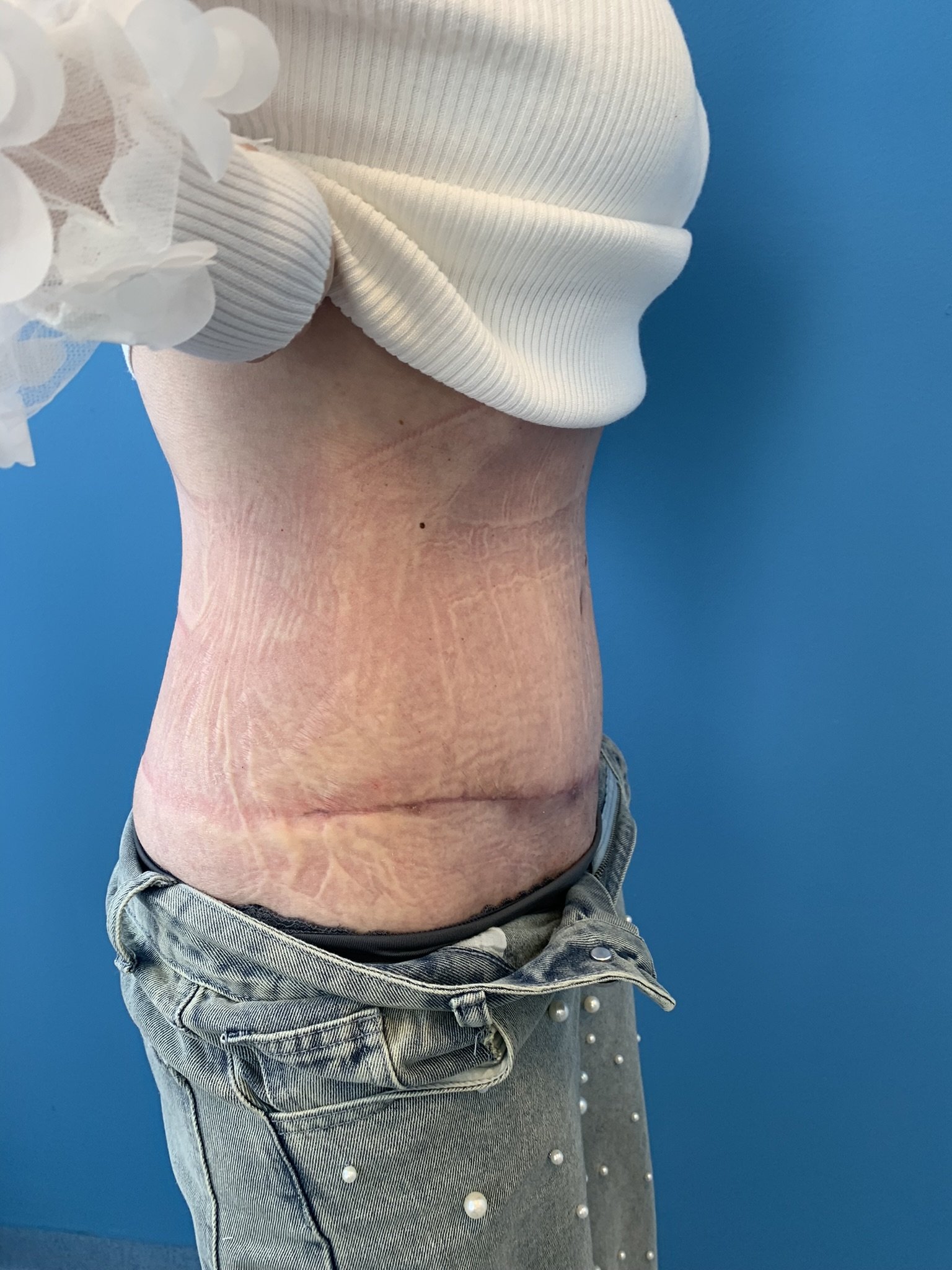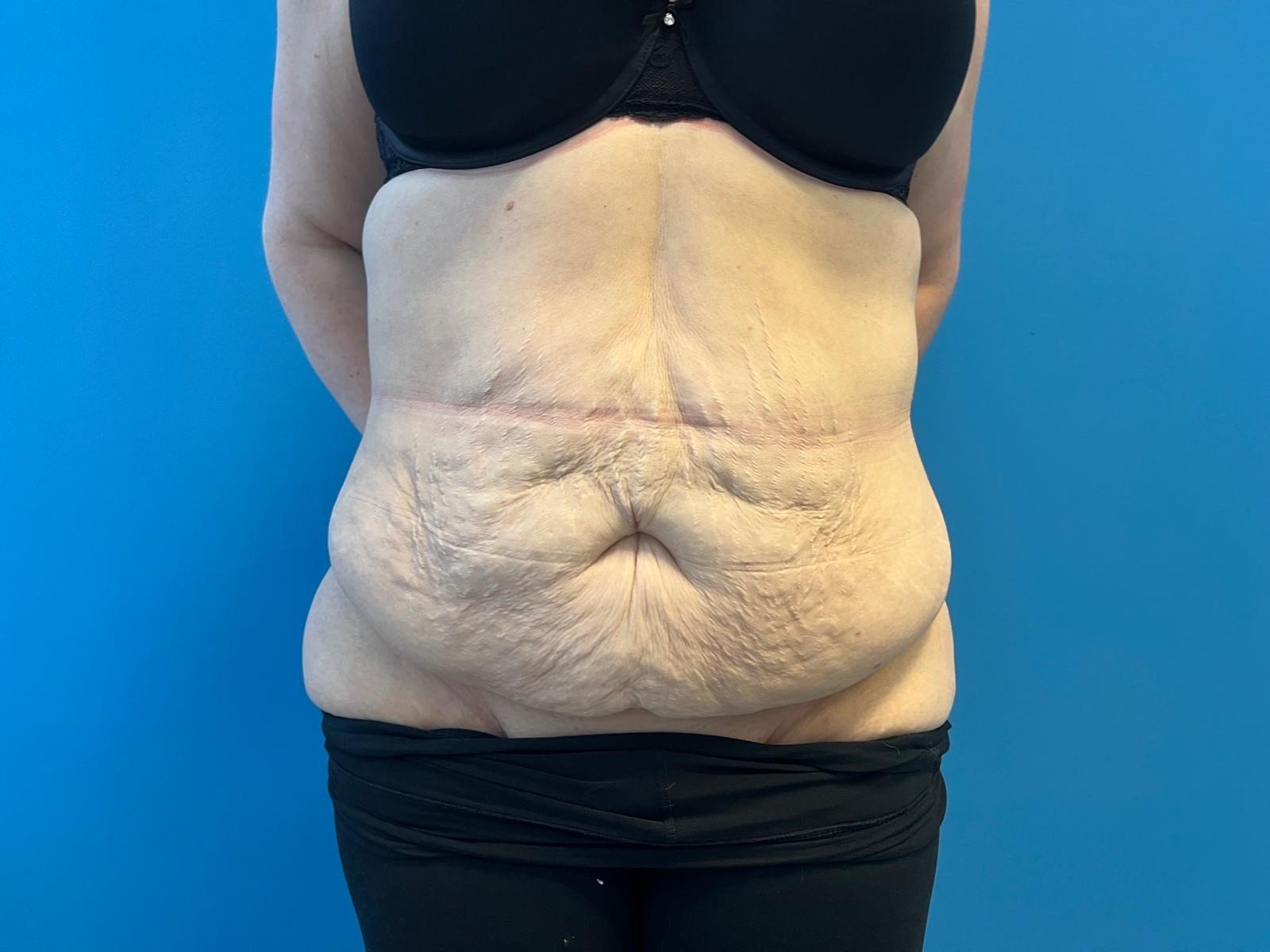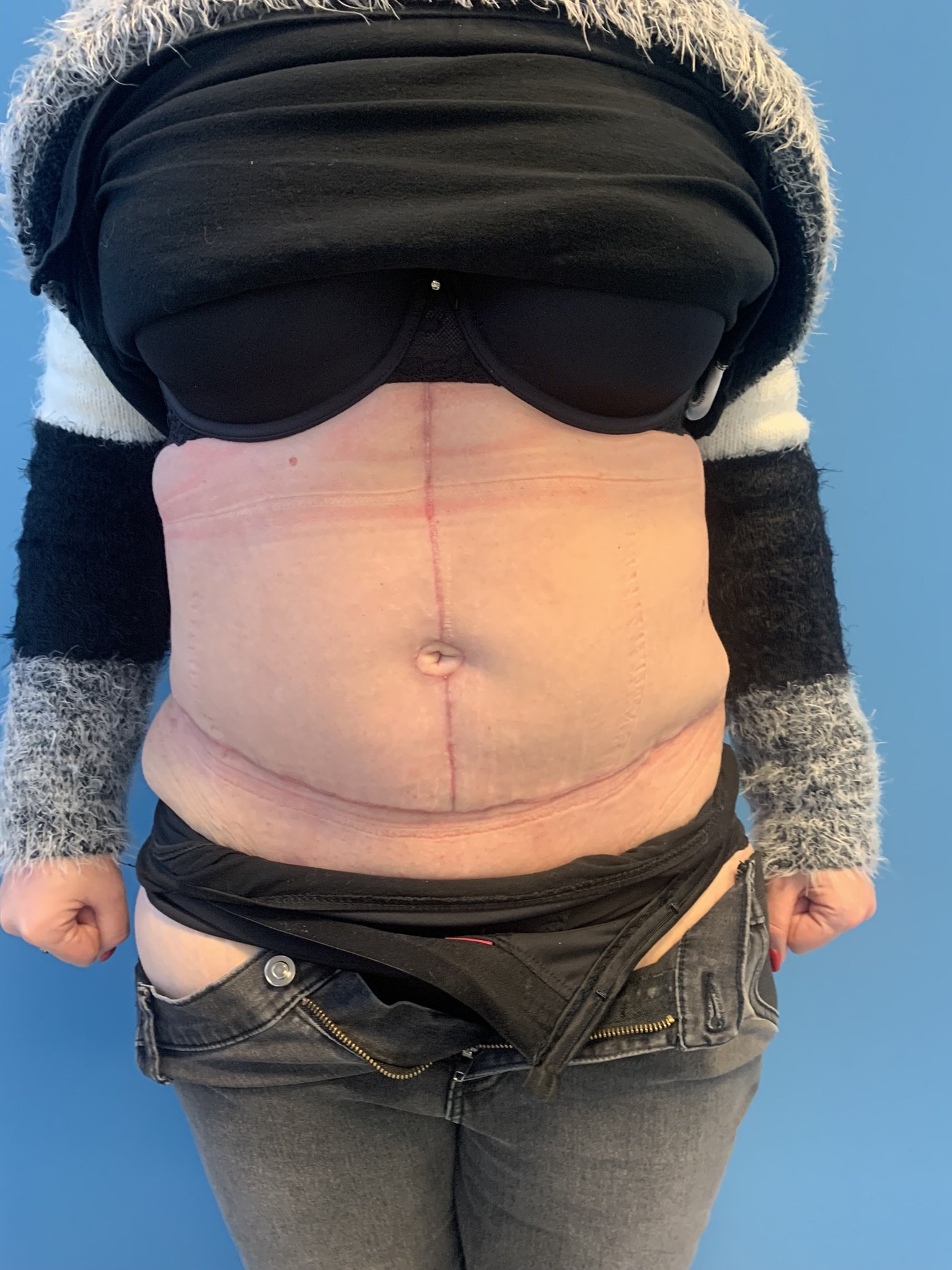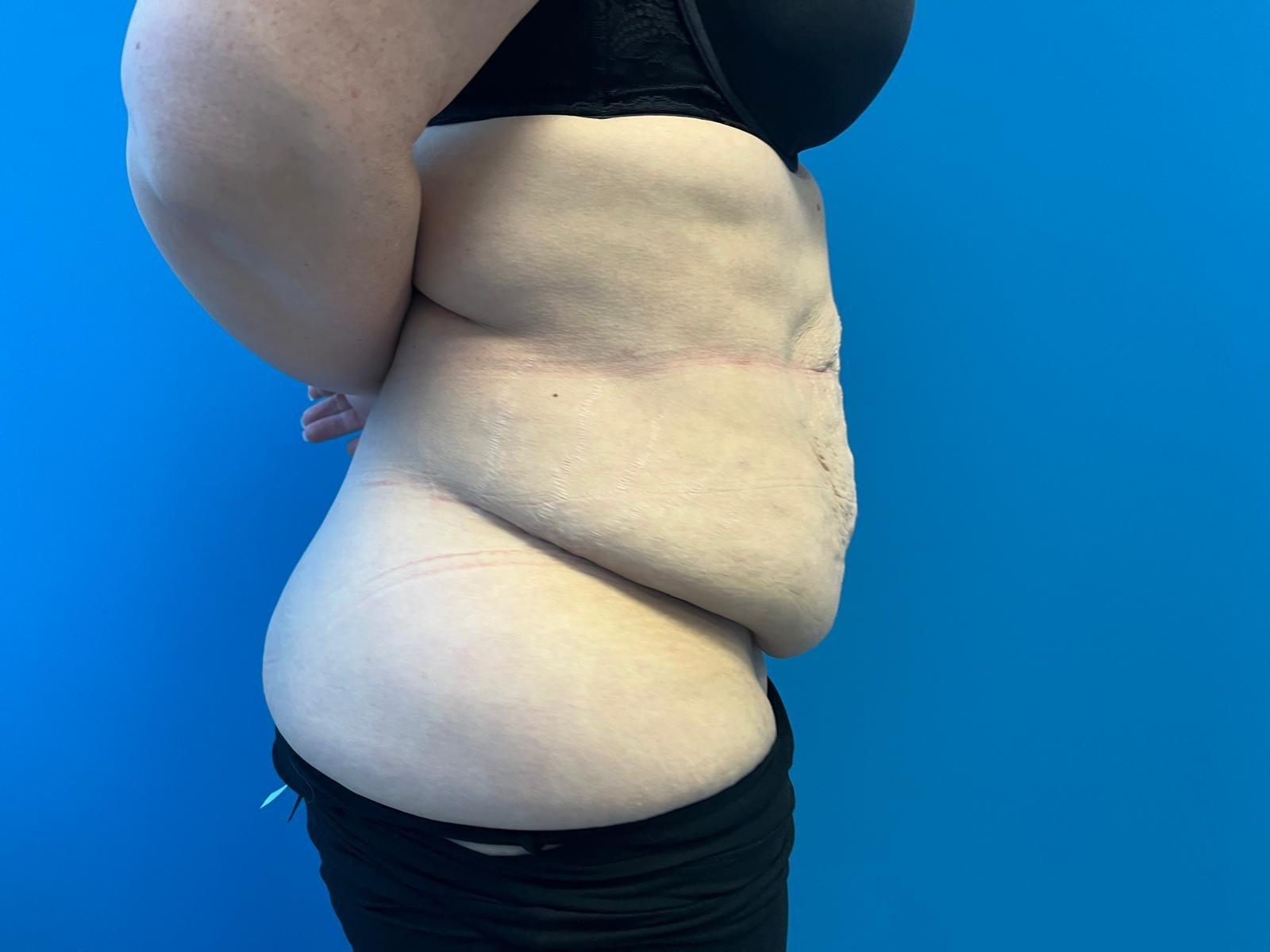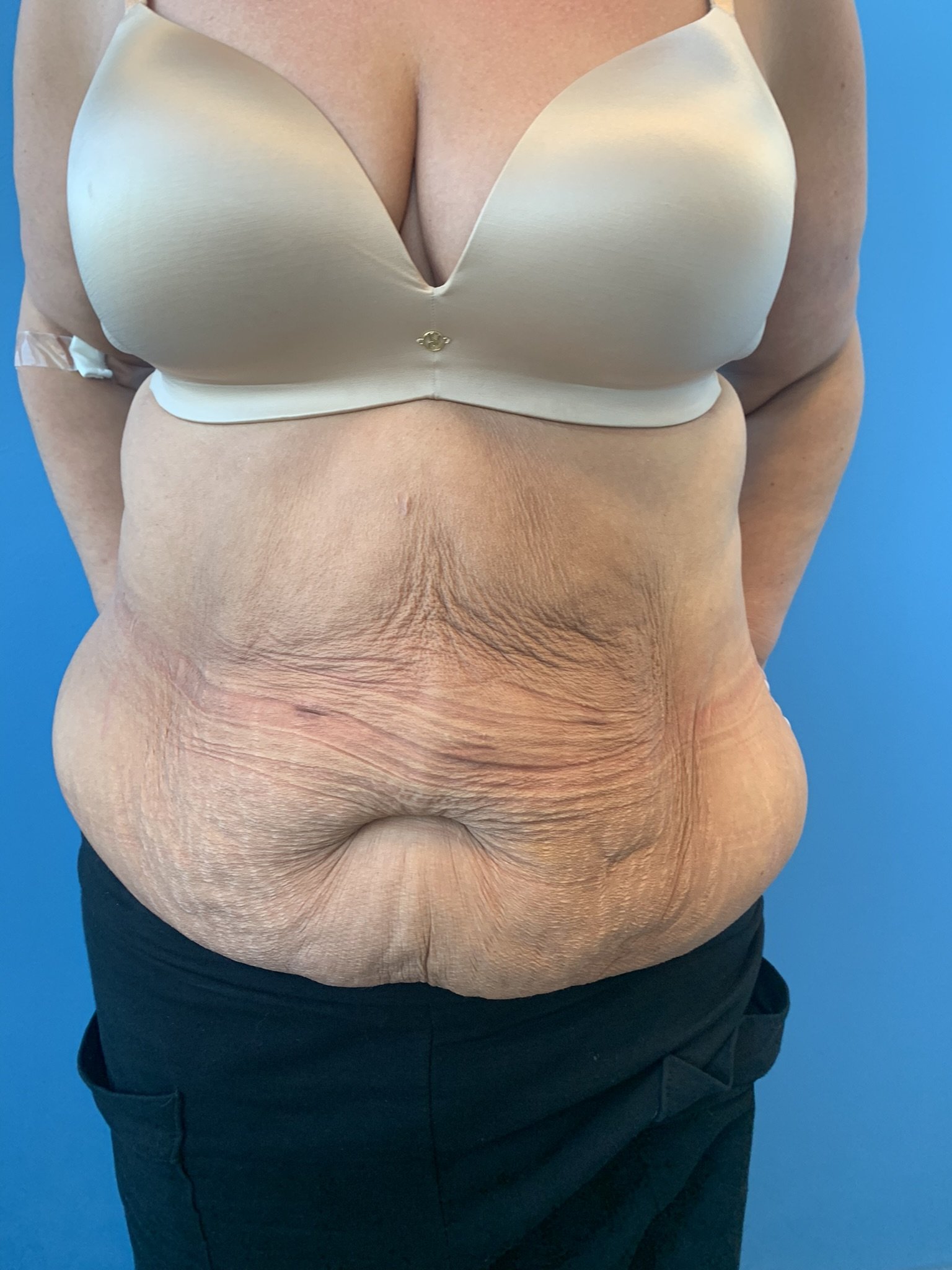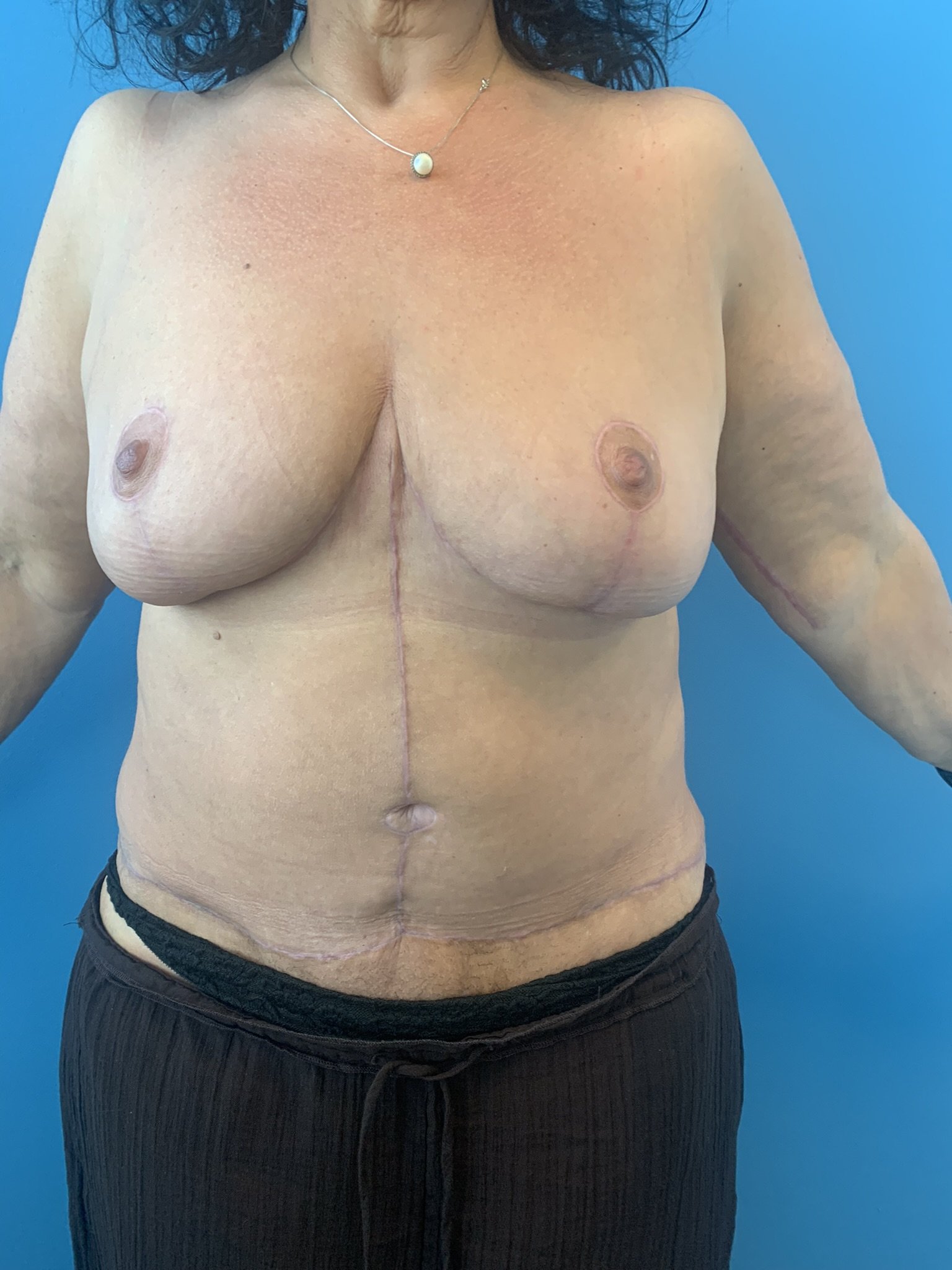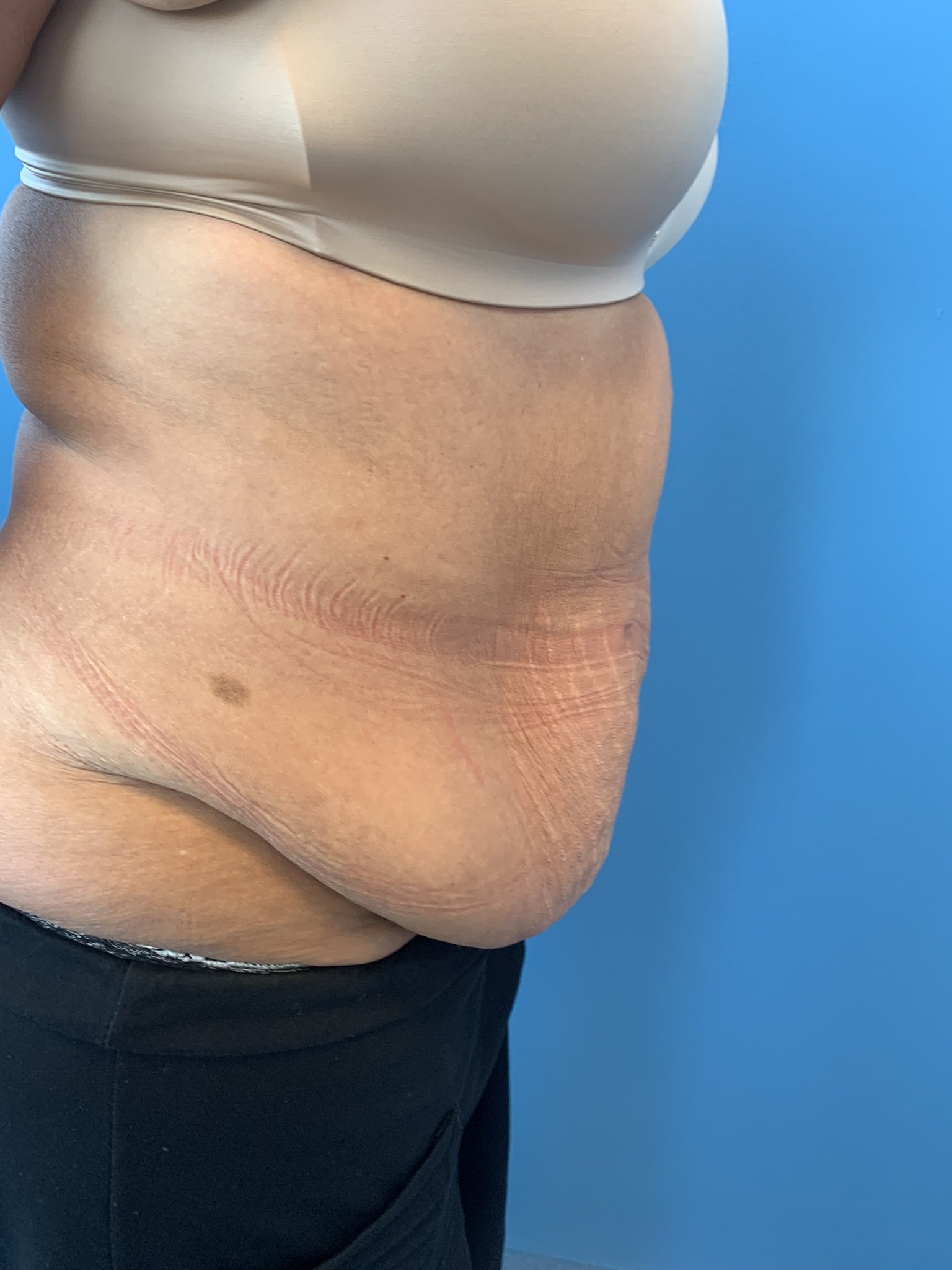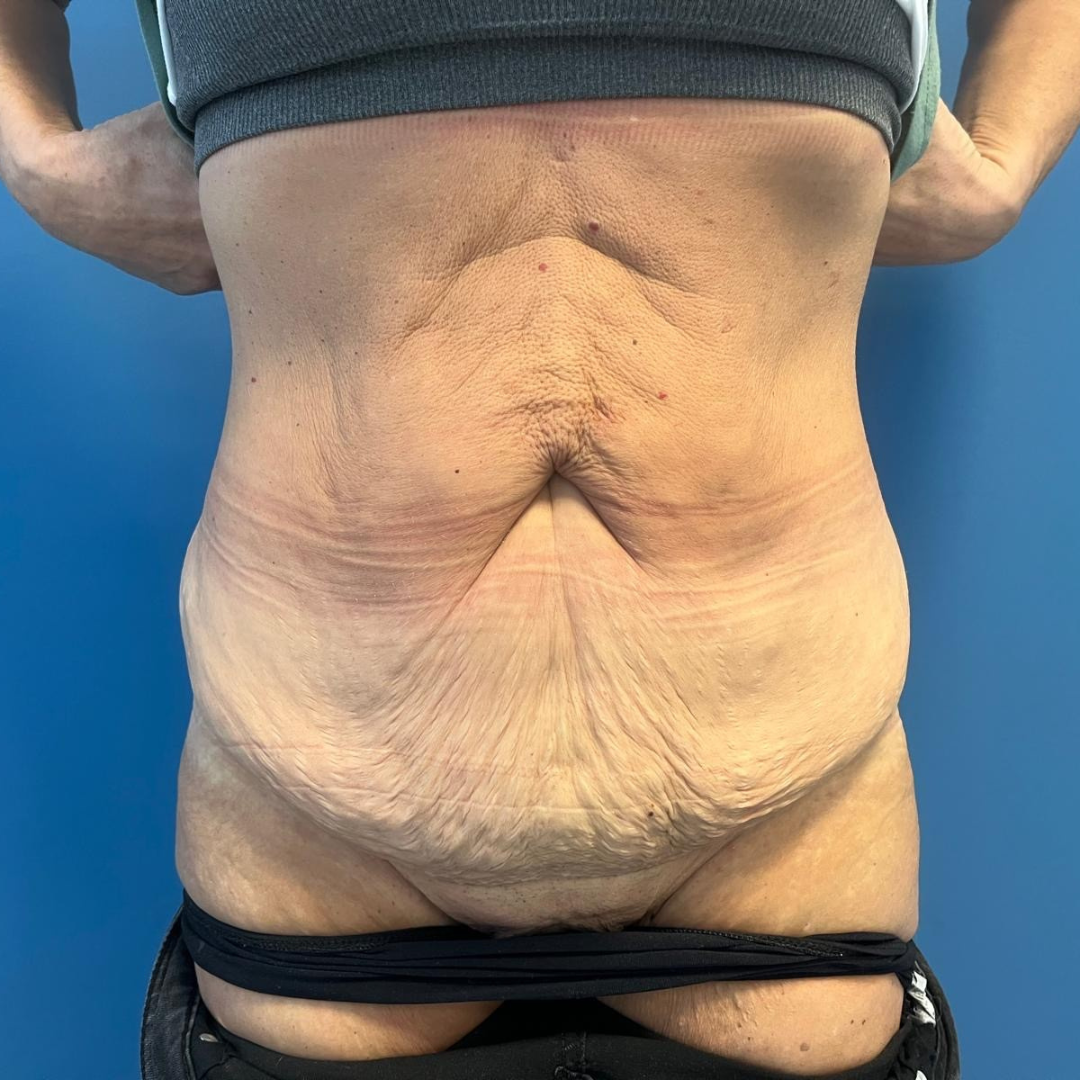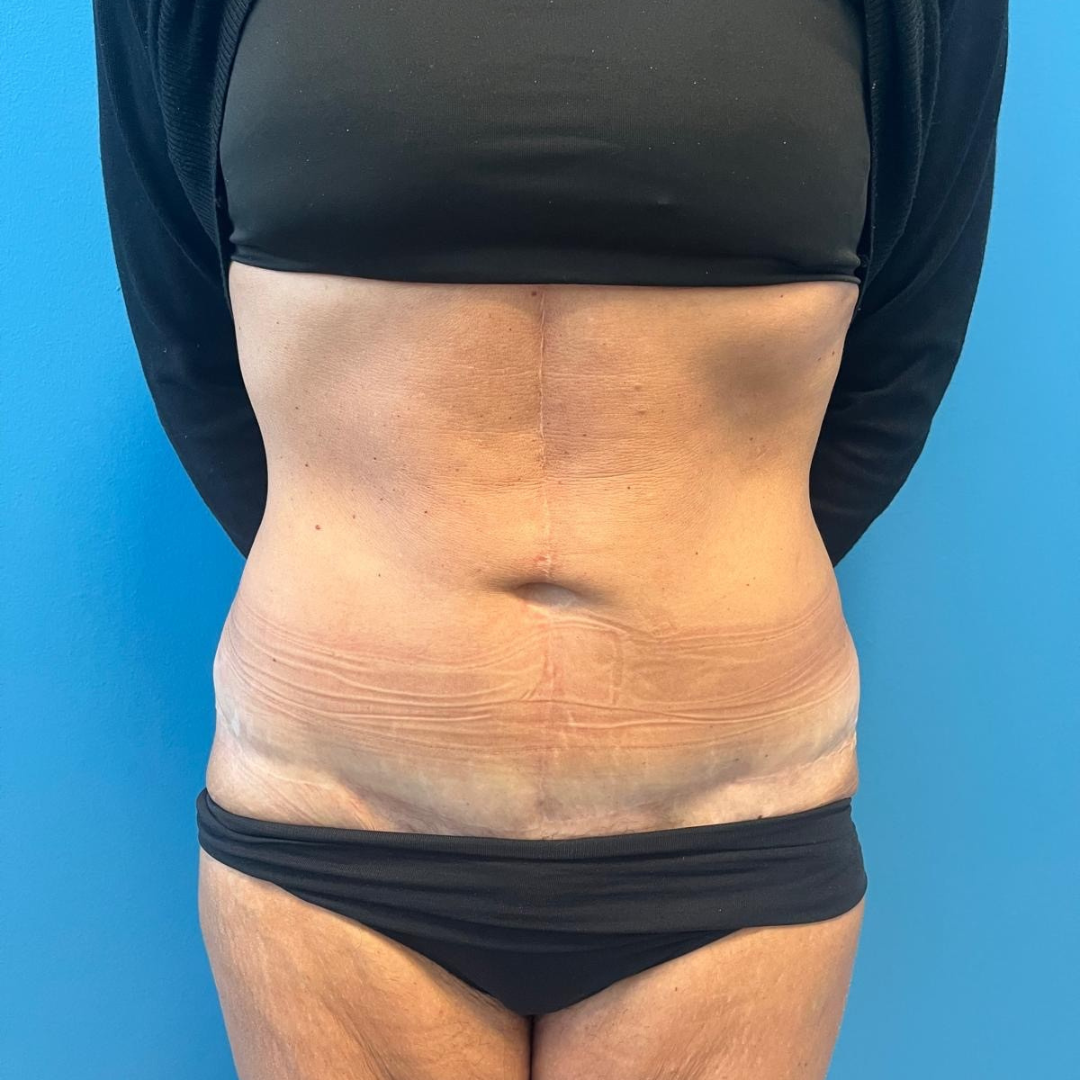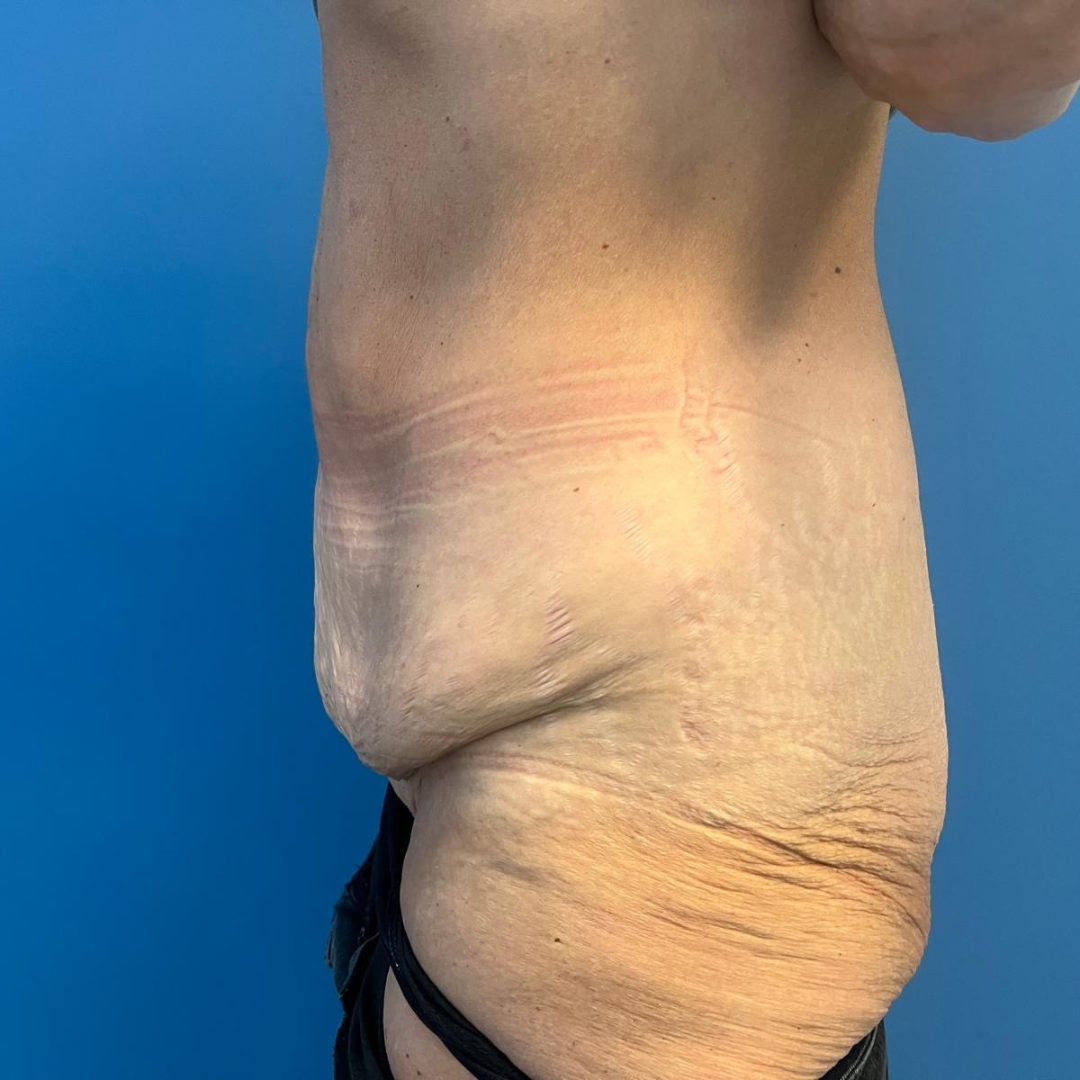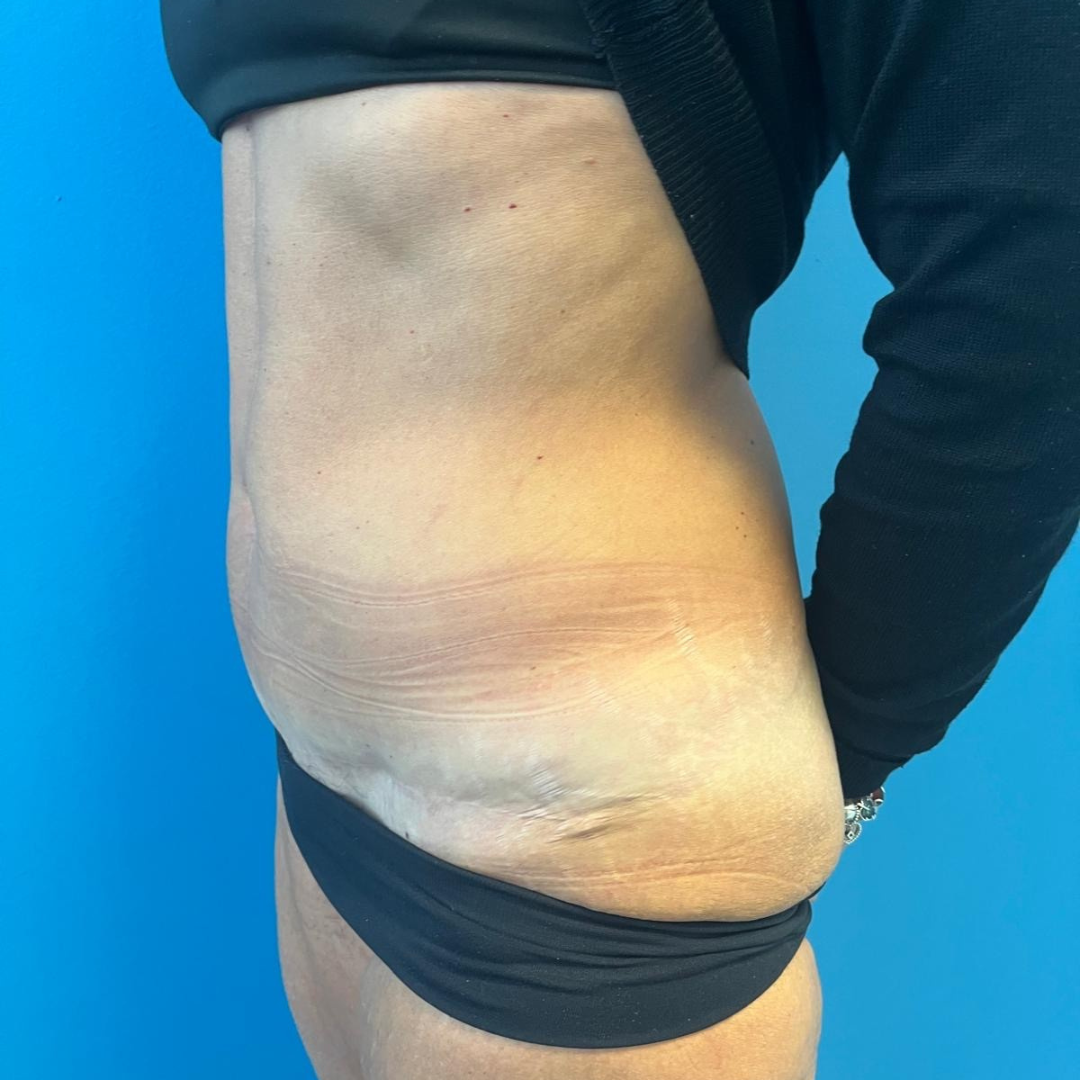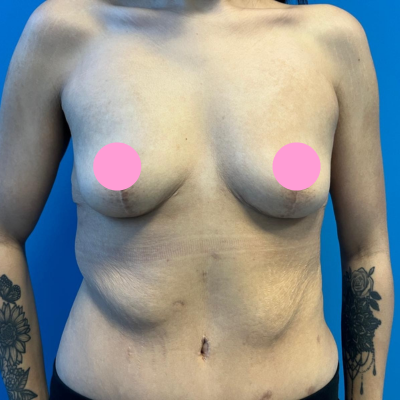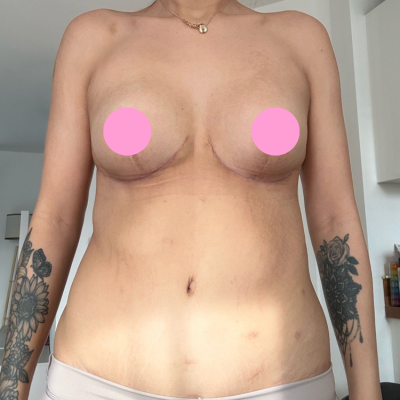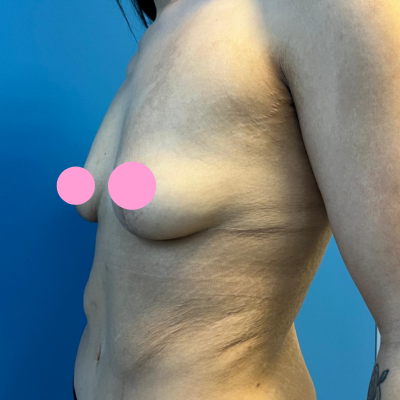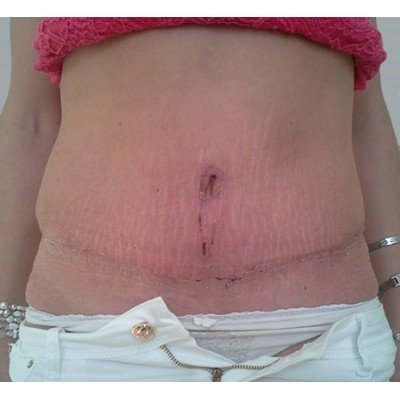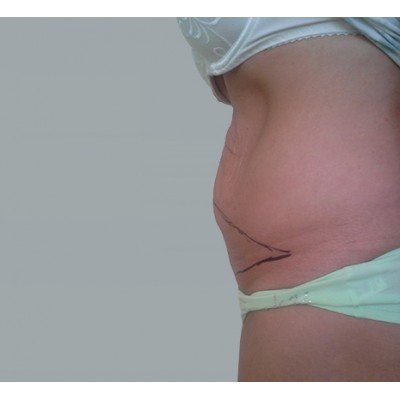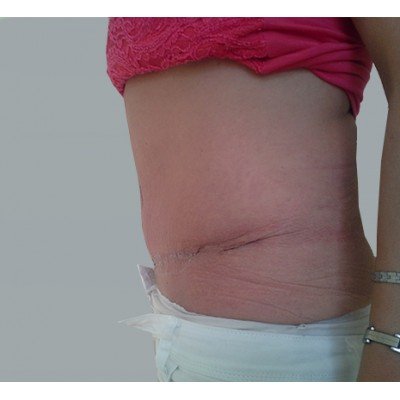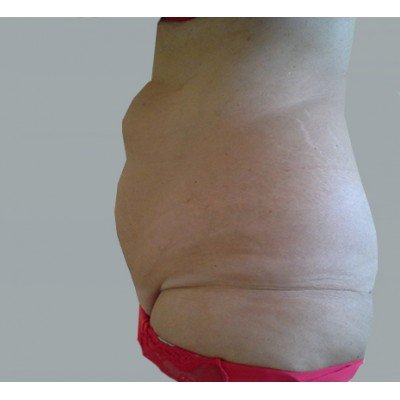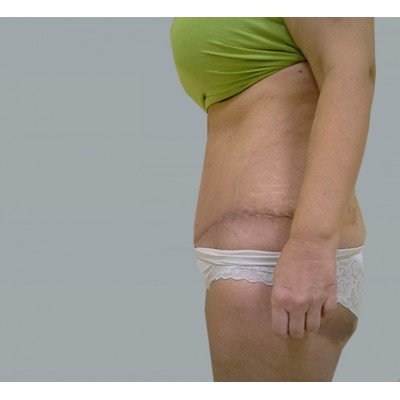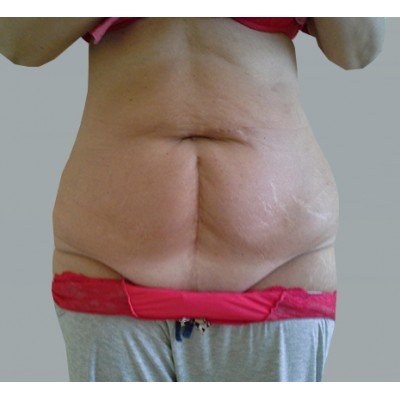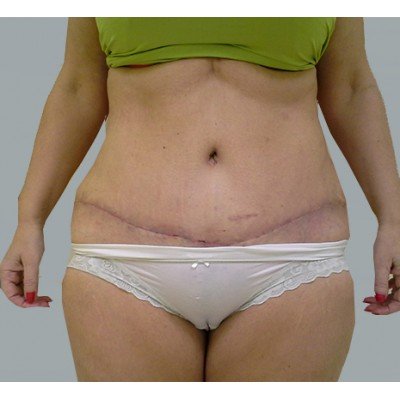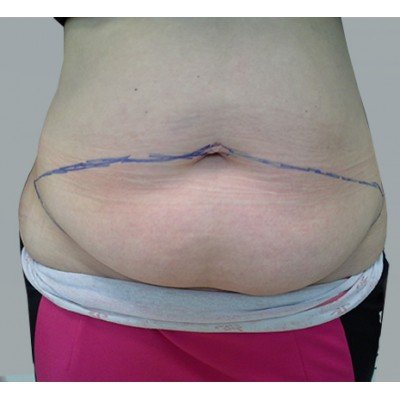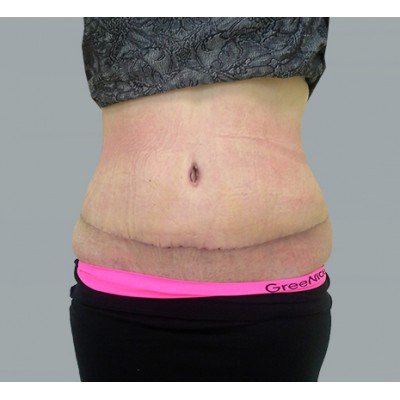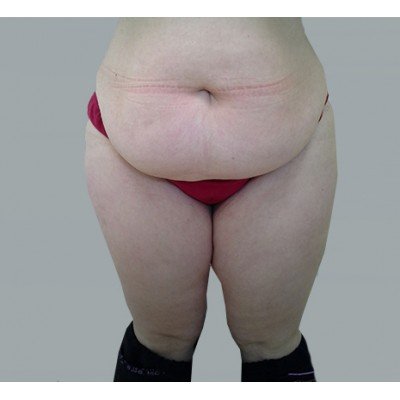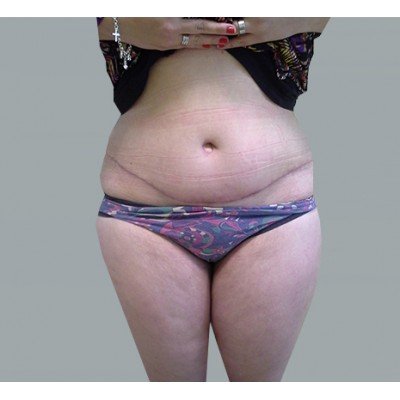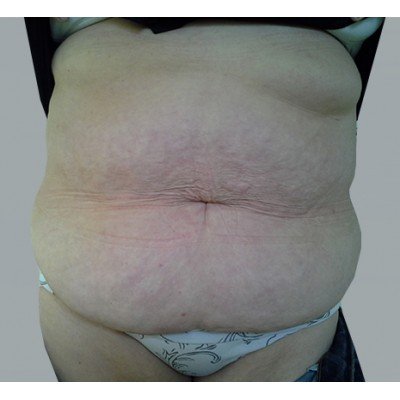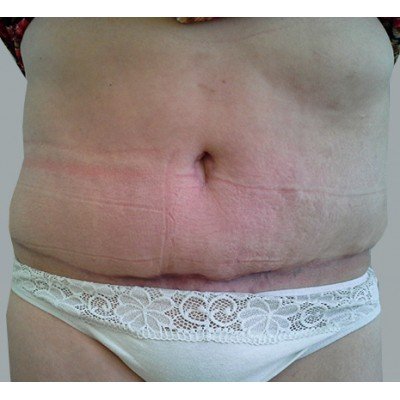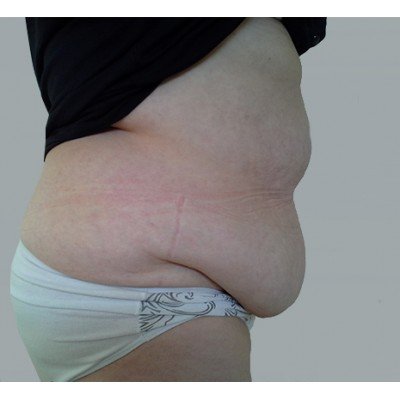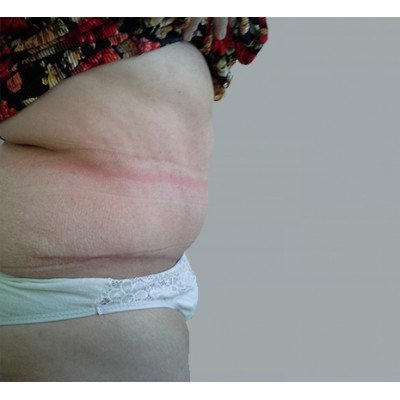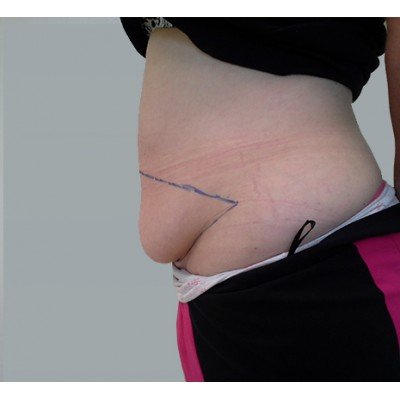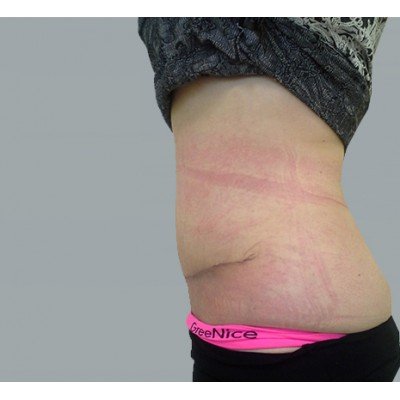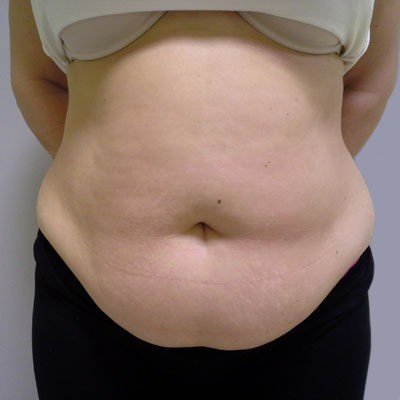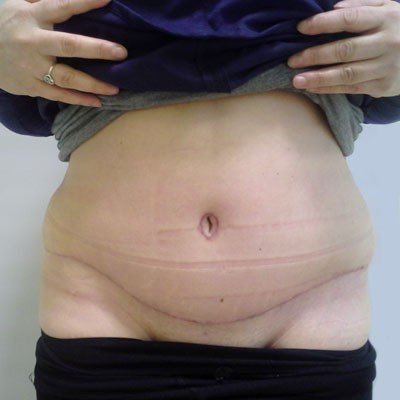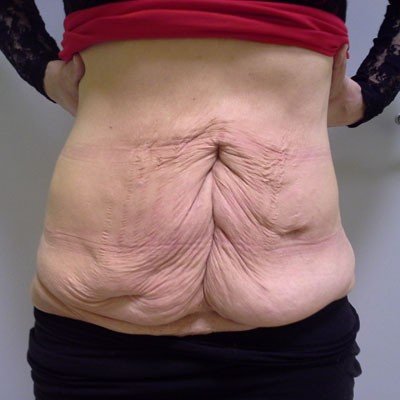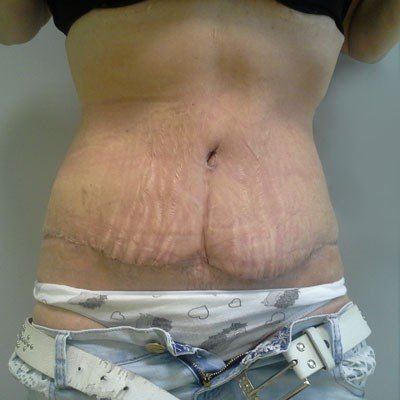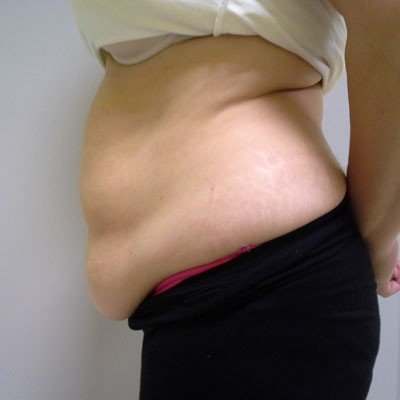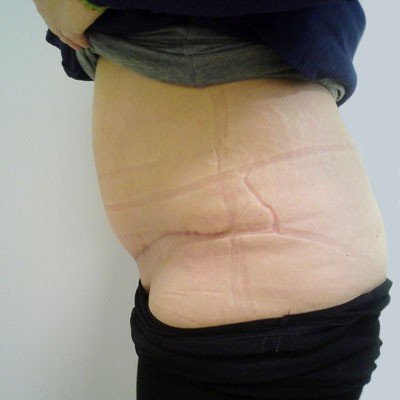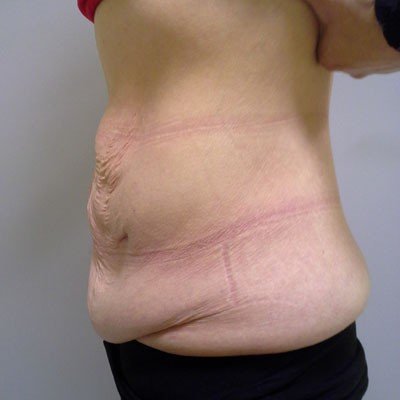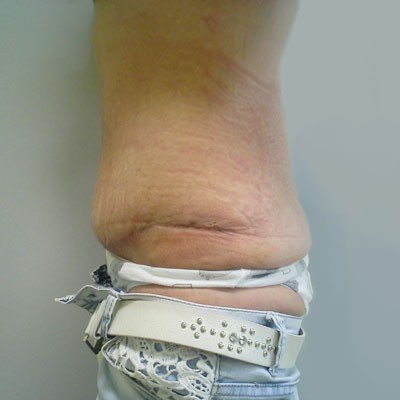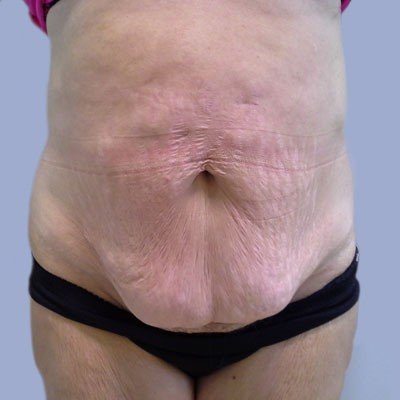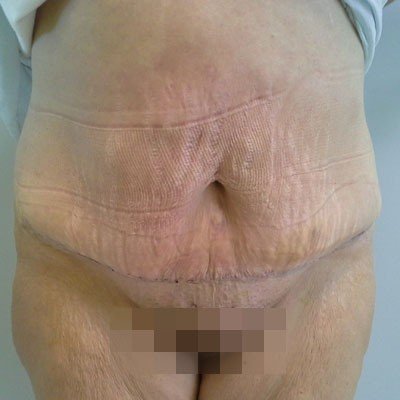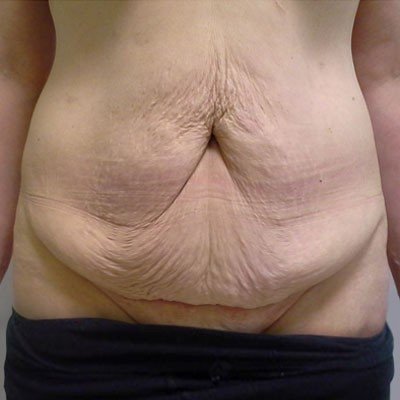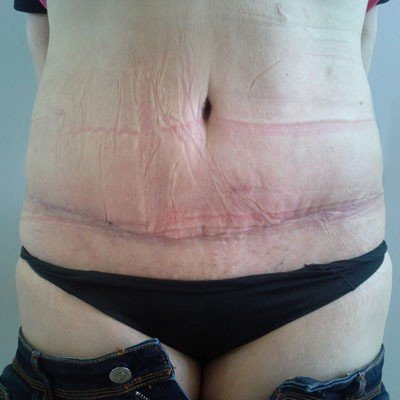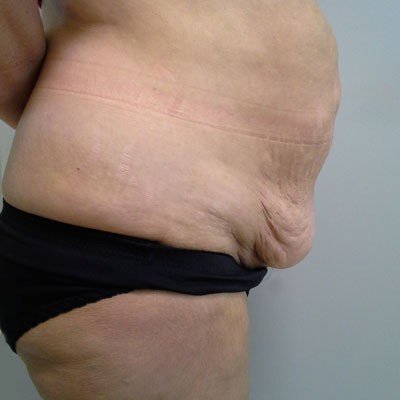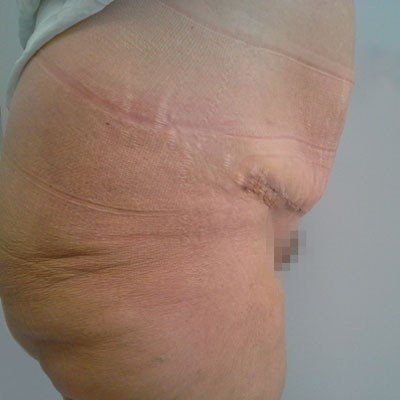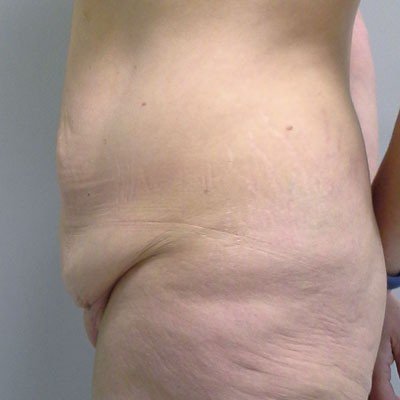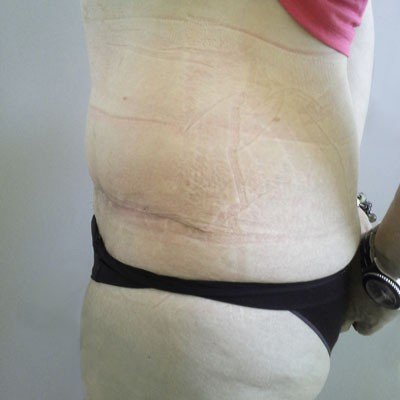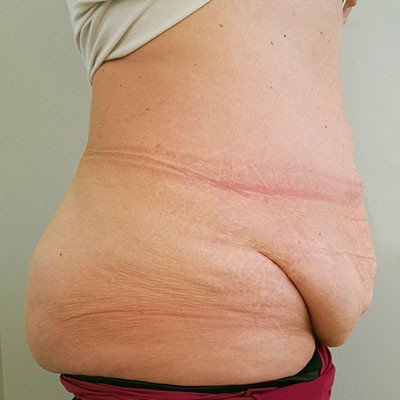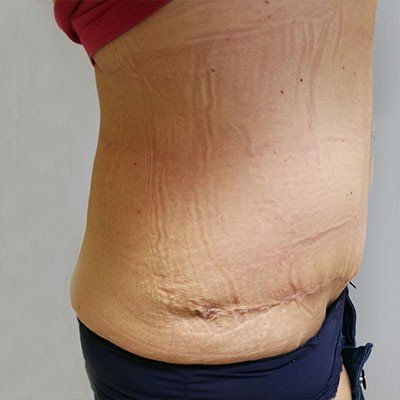
Abdominoplasty, commonly known as a tummy tuck, is a surgical procedure that removes excess skin and fat from the abdomen and, when needed, tightens weakened abdominal muscles. It can help create a firmer, smoother and more defined abdominal contour.
Who Is It For?
A tummy tuck may be suitable if you have loose or excess abdominal skin following significant weight loss, pregnancy or natural changes in body shape.
You may also have stretch marks, an old scar or weakened or separated abdominal muscles. Abdominoplasty can address several of these concerns during one procedure. The exact extent of surgery depends on your individual anatomy, the amount of excess skin and your desired result.
How Is It Done?
Abdominoplasty is a highly individual procedure. Your surgeon will choose the most appropriate technique based on your anatomy, skin quality, amount of excess tissue and treatment goals.
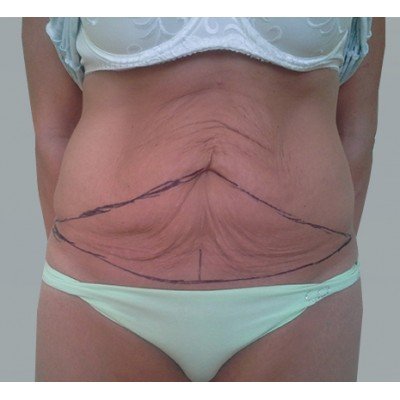
For a traditional tummy tuck, the incision is usually made low on the abdomen, along the bikini line, extending from hip to hip. The position is planned so that the scar can be concealed beneath most underwear or swimwear.
During the procedure, the skin and underlying tissue are carefully separated from the abdominal wall. If the abdominal muscles are weakened or separated, they can be tightened and repaired. Excess skin and, when appropriate, fat are then removed, and the remaining skin is repositioned.
In a full abdominoplasty, the belly button is usually repositioned to fit the new shape of the abdomen.
Types of Abdominoplasty
Our experienced plastic surgeons offer several types of tummy tuck procedures. The most suitable technique will be recommended during your personal consultation in Prague.
Full Abdominoplasty
Including abdominal muscle tightening and belly button repositioning
A full tummy tuck is suitable for patients with more extensive excess skin and weakened abdominal muscles.
The surgeon removes excess skin and fat from the lower and central abdomen and, when needed, tightens the abdominal muscles. The skin is then pulled downward and the excess is removed.
The belly button is repositioned through a new opening in the abdominal skin to achieve a natural-looking result.
FDL Abdominoplasty (Fleur-de-lis)
FDL abdominoplasty is a specialised technique often used after significant weight loss, particularly in post-bariatric patients with a large amount of excess skin.
In addition to the horizontal incision across the lower abdomen, a vertical incision is made along the midline. This allows the surgeon to remove excess skin both horizontally and vertically.
The resulting scar has an inverted T shape.
Floating Abdominoplasty
Floating abdominoplasty is a less common technique that may be considered for selected patients with relatively limited excess skin but a need for abdominal muscle tightening.
The belly button remains attached to the abdominal wall but is temporarily released from the surrounding skin, allowing the surgeon to tighten the abdominal muscles and reposition the skin.
Your surgeon will determine whether this technique is appropriate for you.
Mini Tummy Tuck
A mini tummy tuck is suitable for patients with a smaller amount of excess skin and fat, mainly in the lower abdomen.
The procedure usually involves a shorter incision along the bikini line. The belly button remains in its original position, and abdominal muscle tightening may be performed in selected cases.
Reverse Abdominoplasty
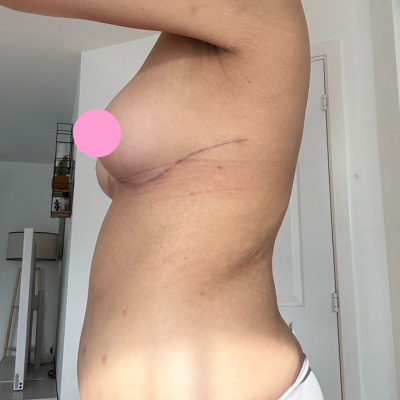
Reverse abdominoplasty is designed primarily to address excess or loose skin in the upper abdomen.
Instead of pulling the abdominal skin downward, the skin is lifted upward and the incision is usually placed beneath the breasts.
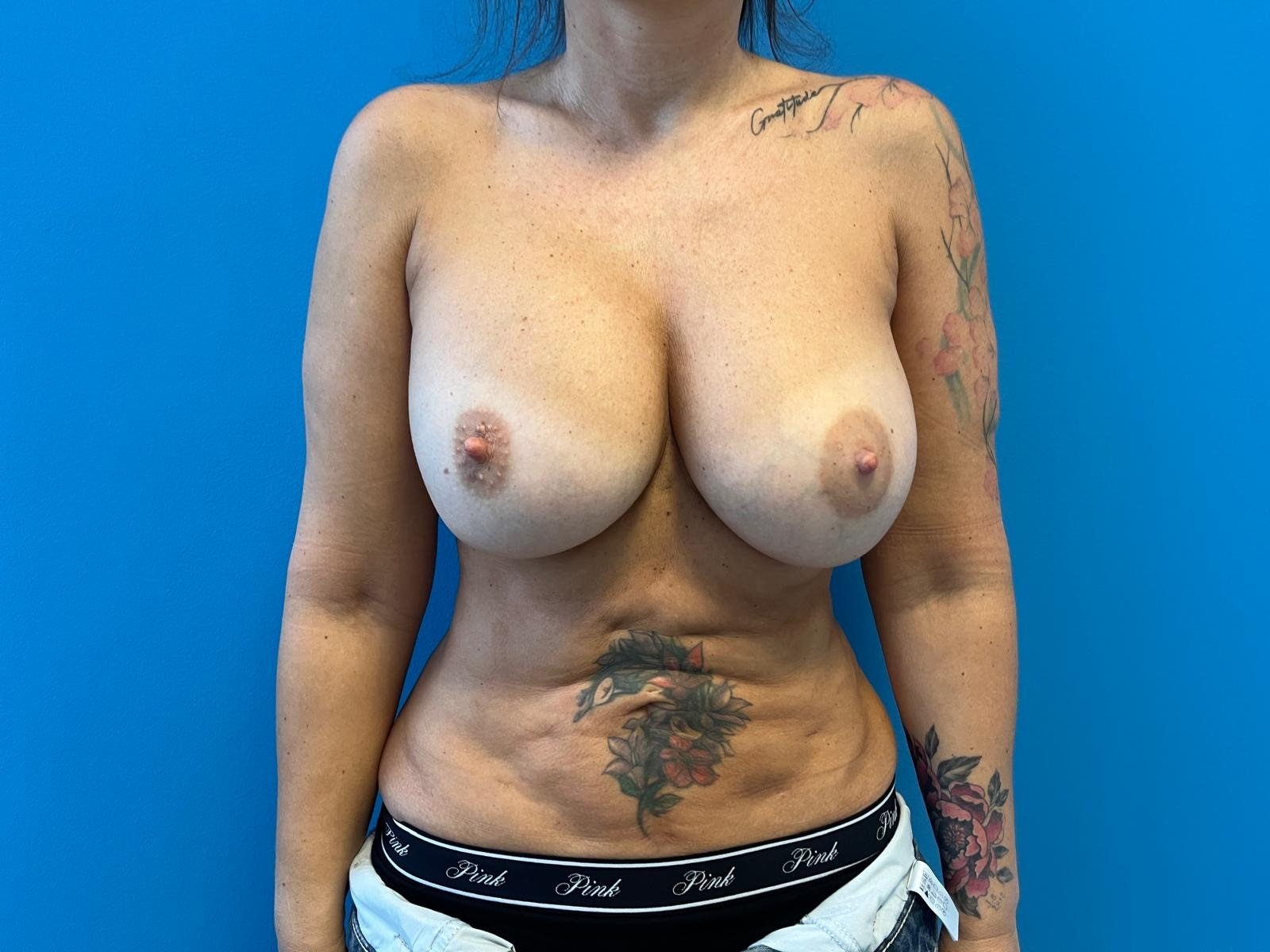
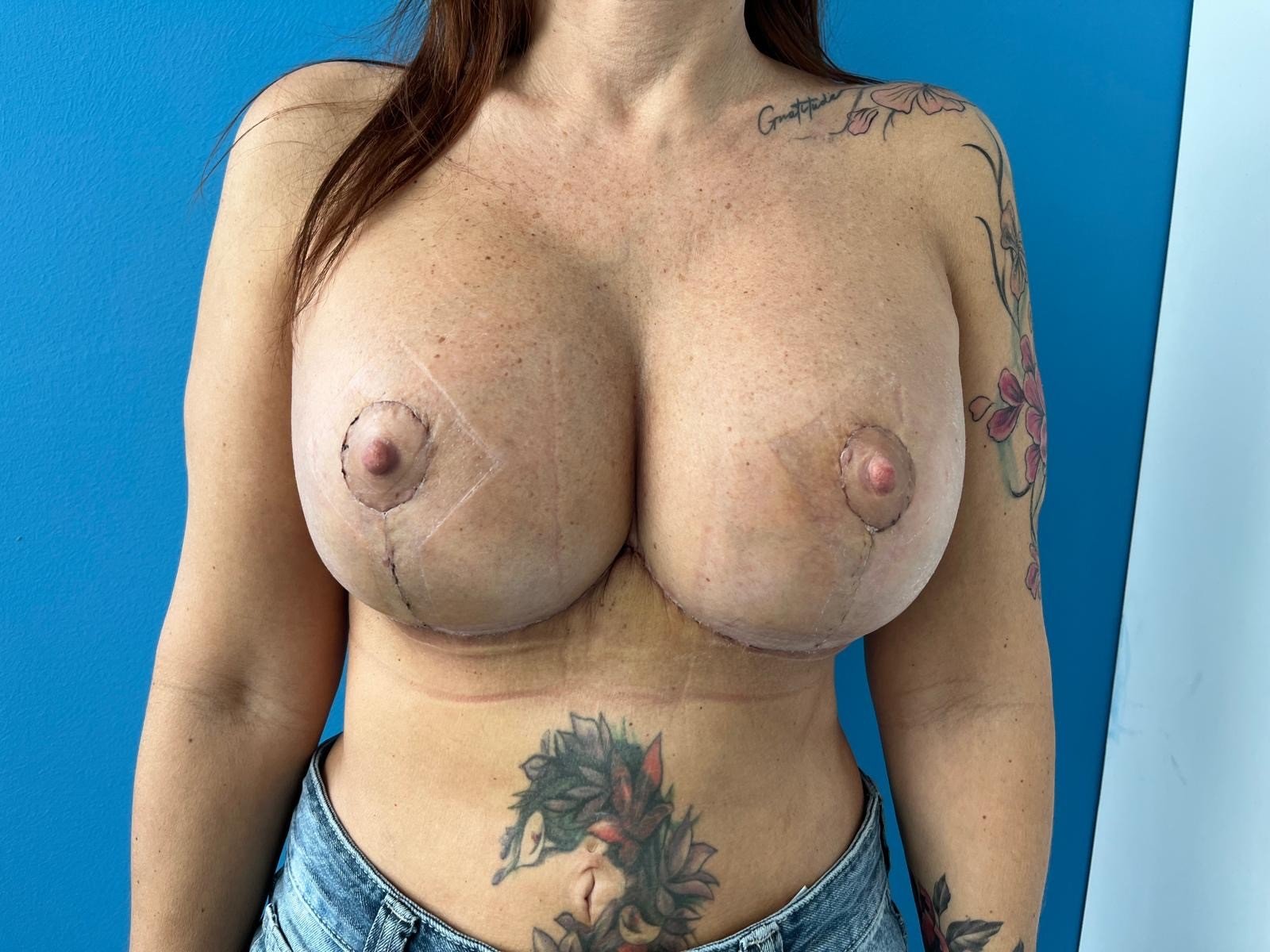
In selected patients, reverse abdominoplasty can be combined with a breast lift to improve the overall contour of the upper body.