Who Is It For?

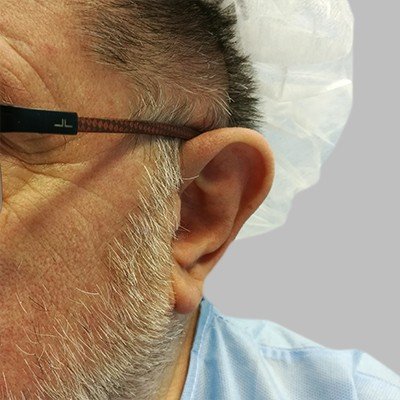
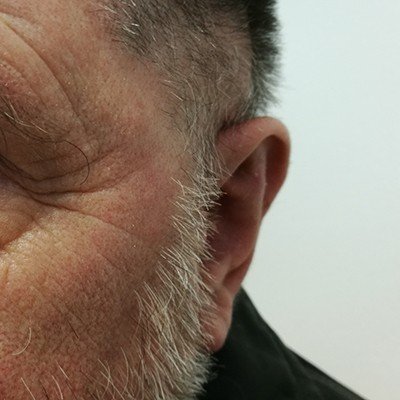
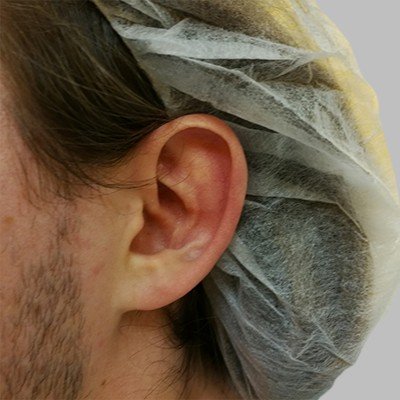
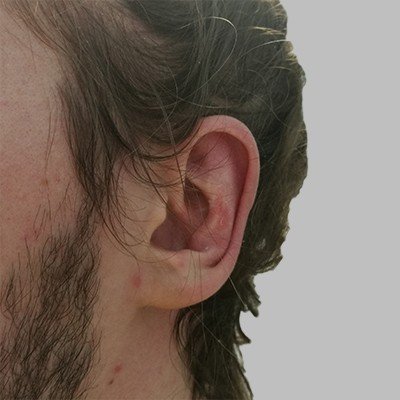
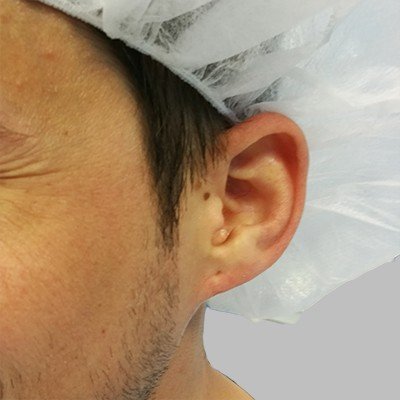
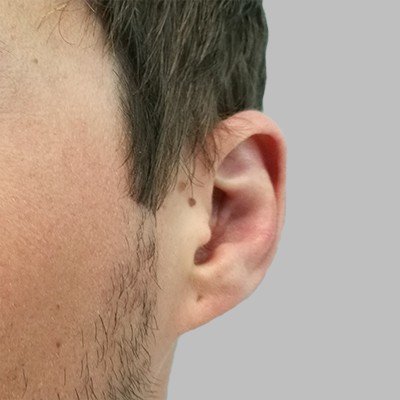
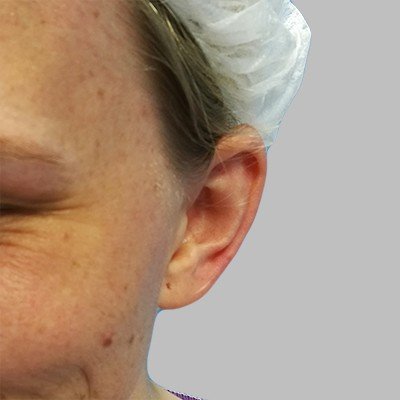
Prominent ears are one of the most common aesthetic concerns affecting the ears. When the ears protrude significantly from the head, they can attract unwanted attention and may be a source of embarrassment or unpleasant comments.

For adults, prominent ears are usually a cosmetic concern. For children, however, they can sometimes be a source of stress or teasing, which may affect their confidence and self-esteem. Prominent ears can also make some hairstyles more difficult to wear comfortably.

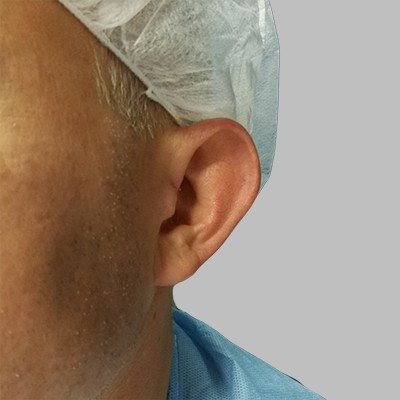
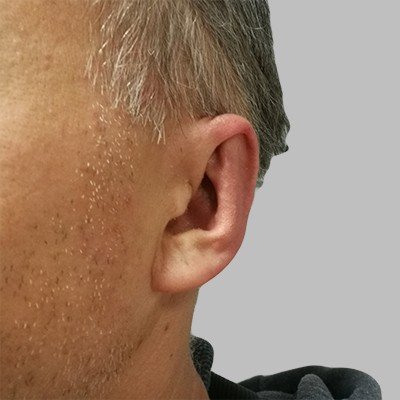
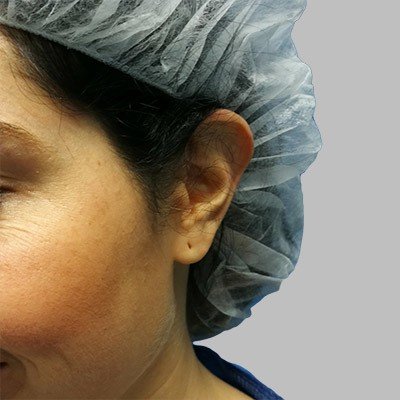
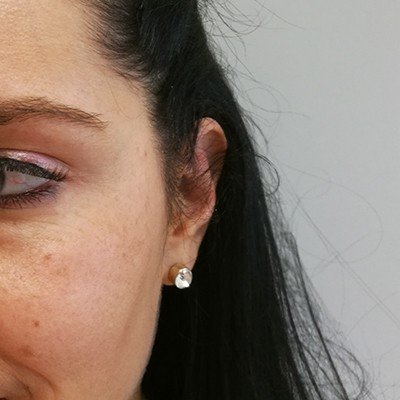
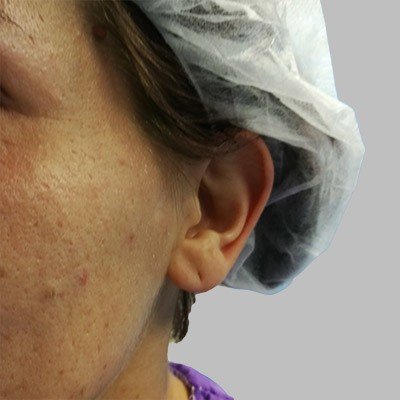
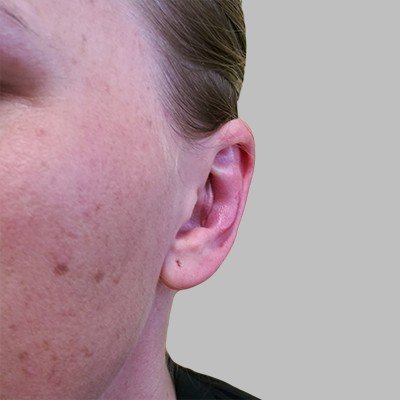
Otoplasty, also known as ear pinning or ear correction surgery, can improve the position, shape and symmetry of the ears and create a more natural appearance.

How Is It Done?

During otoplasty, the surgeon makes a small incision behind the ear, where the resulting scar is naturally concealed. The skin is carefully lifted and the ear cartilage is reshaped to achieve the desired position and angle.

The ears are then positioned closer to the head and secured in their new position. The procedure is tailored to the individual anatomy and the desired result.

If only one ear is more prominent, the surgeon may recommend treating both ears to achieve a balanced and symmetrical result.

Surgery

Otoplasty is usually performed under local anaesthesia. Intravenous sedation can also be arranged upon request, allowing the patient to sleep comfortably throughout the procedure.

The surgery generally takes less than one hour.

Following the procedure, patients normally stay at the clinic overnight, although it may also be possible to leave the clinic on the same day, depending on the individual circumstances.

After Surgery

A compression bandage is usually worn for approximately two weeks to protect the ears and support them while they heal. After the bandage is removed, it is recommended to wear a protective headband at night for another two to three weeks.

The ears may feel slightly sensitive or tender after surgery. This is a normal part of the healing process and usually improves quickly.
During the first days after surgery, it is important to rest and protect the operated area. Sleeping on your back with your head and upper body slightly elevated can help reduce swelling and discomfort.

It is also advisable to use pillows on either side of your head to prevent accidentally turning onto your side during sleep.

Incision Care

Approximately five to seven days after surgery, patients can usually wash their hair with tap water and a mild shampoo, such as baby shampoo, unless otherwise instructed by the surgeon.

Hair should be dried gently, using a soft towel and avoiding pressure or rubbing around the ears.

Once the bandages have been removed, the area behind the ears should be kept clean and, if recommended by the surgeon, gently disinfected using a suitable disinfectant applied with a cotton swab.

Hair colouring, perming and other chemical hair treatments should be avoided for several weeks after surgery and only resumed after consulting the surgeon.

Back to Normal

If healing is uncomplicated, most patients can return to work and normal non-strenuous daily activities approximately one week after surgery.

More demanding physical activities and exercise should generally be avoided for around three weeks, or until the surgeon confirms that it is safe to resume them.

Extra

Every otoplasty procedure is individually planned according to the patient's anatomy and desired result.

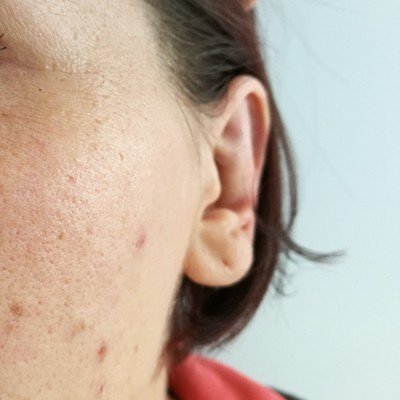
The surgery can correct prominent ears as well as certain differences in ear position or shape. Very large or prominent earlobes can also be corrected when appropriate.

The aim of otoplasty is to create a natural-looking position and shape while maintaining harmony and symmetry between the ears and the rest of the face.

This website uses cookies

We use cookies to personalize content and ads, provide social media features, and analyze our traffic. We share information about how you use our website with our partners for social media, advertising and analytics. Partners may combine this data with other information you have provided to them or obtained as a result of your use of their services. More information.

Settings

Your privacy is important. You can choose from the cookie settings below. More information.